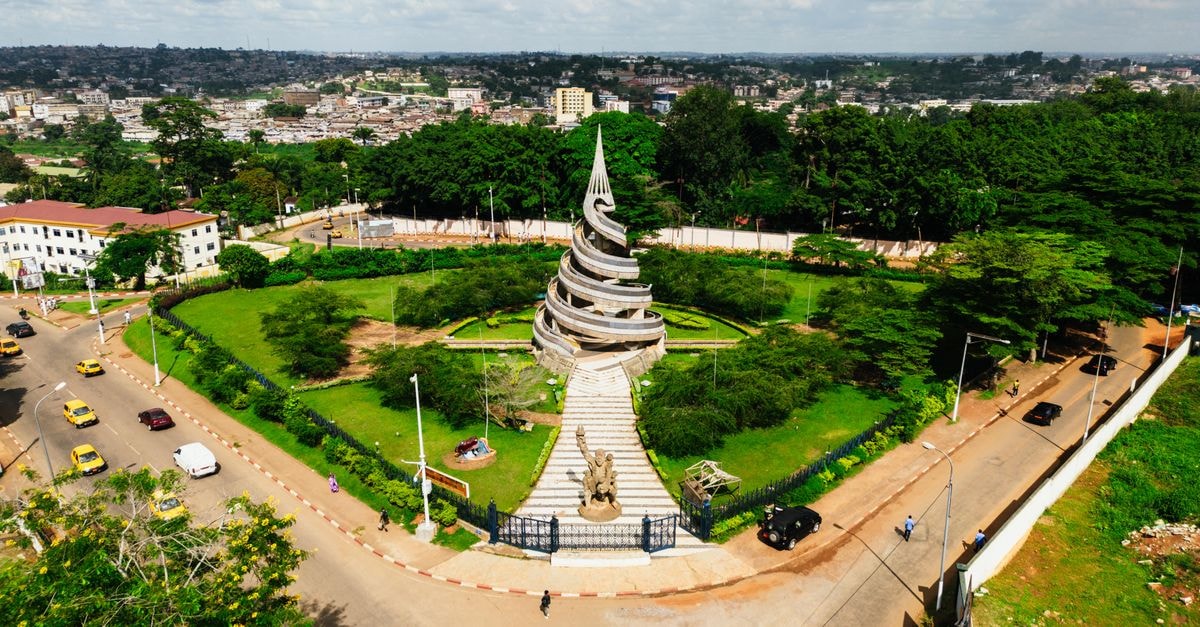
A first impression of Biskra

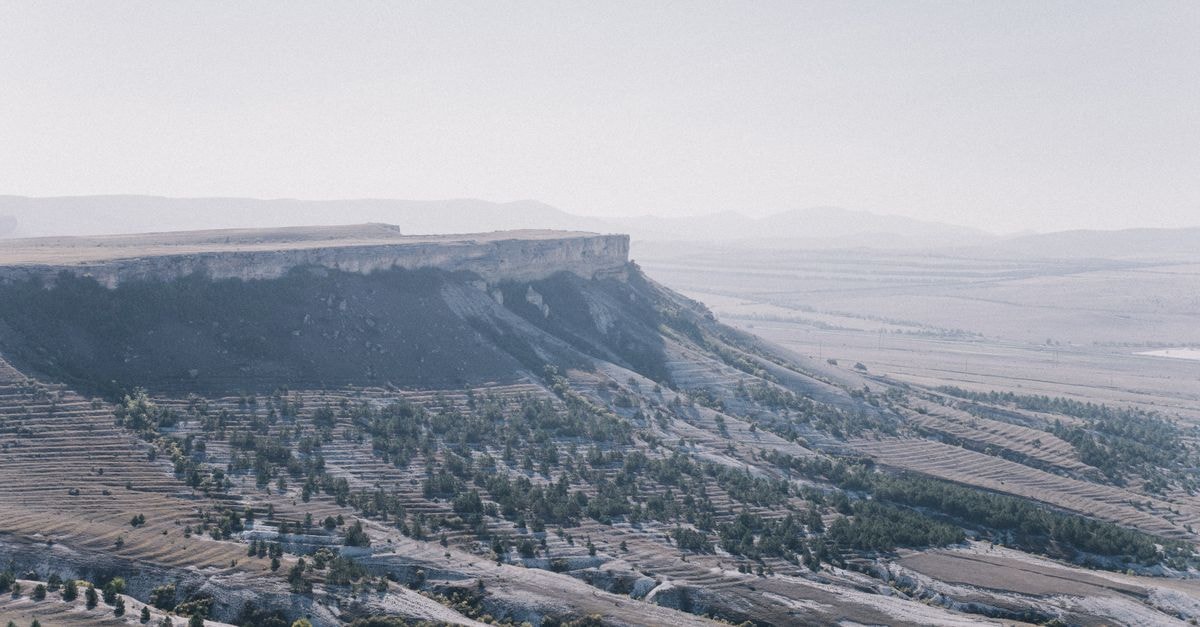
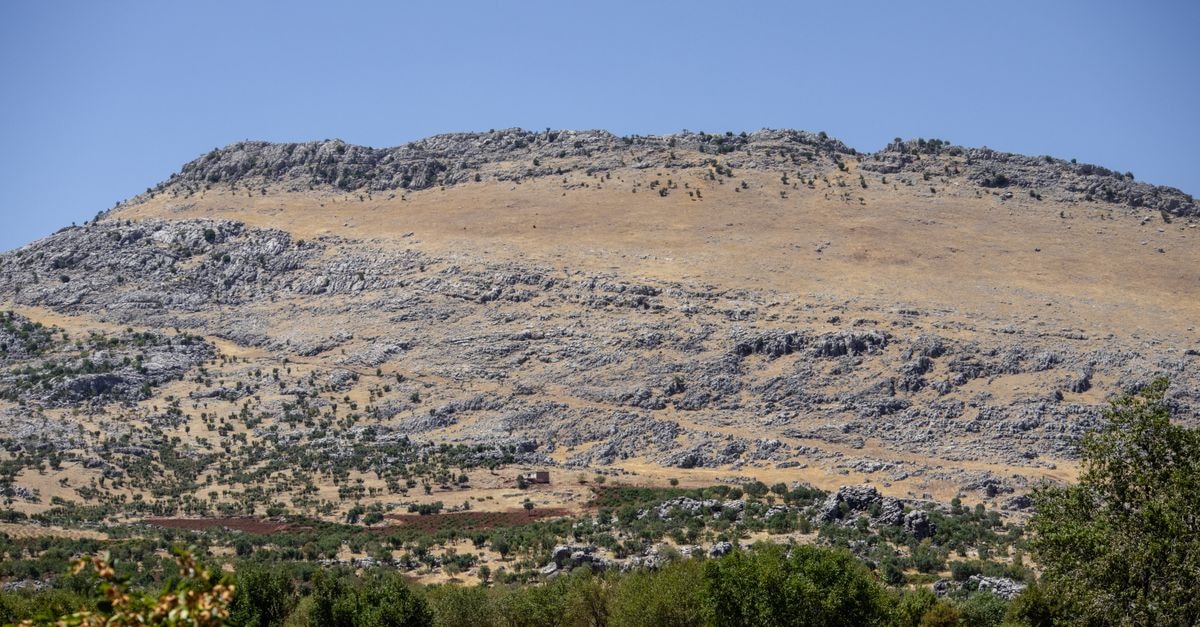
There is a particular hush that travellers tend to notice when they arrive in Biskra. The city sits at the threshold where the landscape softens into something drier and more open, and the air itself starts to feel different. As one local overview puts it, Biskra is where an Algeria itinerary starts to feel like the desert edge, and that single observation captures most of what visitors want to know before they go. This guide is written for independent travellers who are curious about that feeling and want a calm, practical read on what Biskra is actually like, with no inflated promises and no rushed checklists.
The goal here is simple: help you arrive with a clear head, a sensible plan for getting around, and an honest sense of what everyday conditions are like. Everything below is grounded in approved city-level facts, with light editorial framing where it helps the guide read naturally.
Weather and seasonal context
Weather is one of the first things travellers ask about with Biskra, and it is worth approaching it honestly. The city has a clear identity as a desert-edge destination, and that identity shapes how visitors tend to plan their days. There is no specific temperature, forecast, or climate statistic in the approved source material for Biskra, so this section avoids quoting any numbers and instead focuses on what is genuinely supported.
What is supported is the framing itself. The city is described as the place where an Algeria itinerary starts to feel like the desert edge, which is a useful piece of context for pacing. In a desert-edge city, the smart approach is usually to build the day's main outdoor activity around the cooler hours, take a longer midday break, and treat the late afternoon and evening as the most comfortable window for walking, sightseeing, and casual meals. Hydration and sun protection are common-sense priorities in this kind of setting, and they are worth treating as default rather than optional.
Because the source set does not include direct temperature readings or a confirmed climate profile for Biskra, this guide does not state any figures or describe a specific month. Instead, the advice is intentionally evergreen: assume a desert-edge climate, plan around the heat of the day, and keep your schedule flexible enough to slow down when the sun is strongest.
Getting around and feeling safe
Getting around Biskra is more about comfort and awareness than about any single transport hack, and the safety picture is the place to start. The approved safety guide describes Biskra in 2026 as a destination that provides both safe and slightly riskier experiences, and places the city at around 50 out of 100 points in its safety scoring. Read carefully, that means the situation is mixed rather than uniformly reassuring or uniformly alarming. Standard independent-traveller habits apply: stay aware in less familiar neighbourhoods, keep an eye on personal belongings in busy areas, and trust the kind of routine caution you would use in any medium-sized city you had not visited before.
The same caution extends to how you move through the city. Without approved facts on specific taxi apps, bus routes, car hire counters, rail connections, or airport transfers, this guide does not name any particular service or company. A reasonable baseline for a city like Biskra is to plan arrivals and first-night transfers in advance, ask your accommodation for current local transport advice on arrival, and avoid committing to unfamiliar options late at night when streets are quieter.
On currency, the approved material confirms that the Algerian dinar is the basic unit of Algerian currency and a symbol of the Algerian Republic. For practical purposes, that means prices, fares, and small daily purchases will be quoted in dinars rather than euros or US dollars, and visitors should expect to handle cash for many everyday transactions. Exchange rates move over time, so the only honest guidance here is to treat any figure you see online as a reference rather than a guarantee, and to check the live rate through an official or trusted source before you convert any meaningful amount of money.
Food and local context
Food is one of the most enjoyable ways to settle into a new city, and Biskra sits firmly inside the wider Algerian food culture. The approved source material on this point is country-level rather than city-level, so it is framed here as the kind of nationwide context that visitors are likely to encounter while spending time in Biskra, rather than as a ranked list of Biskra restaurants or specific local dishes.
Across Algeria, meals tend to be a social anchor of the day, with shared plates, bread, and tea playing a familiar role in everyday eating. Visitors often come across long-established staples such as couscous-based dishes, slow-cooked stews, and pastries sweetened with honey or dates, all of which reflect the country's regional and agricultural variety. Where dates appear, Biskra's broader regional reputation around date cultivation is part of the reason that ingredient shows up so often in conversation about the area, even though this guide does not name a specific market, vendor, or tasting room.
The practical takeaway for an independent traveller is straightforward. Eat where you see locals eating, ask what is fresh that day rather than reaching for a familiar international menu, and treat the first few meals as a way to learn the rhythm of local food rather than as a checklist to tick off. Because the approved material does not include specific prices, opening hours, or restaurant names for Biskra, no venues or figures are quoted here. If you want a more detailed view of what to order or where to sit down, it is worth asking your accommodation host or a trusted local contact for current recommendations once you arrive.
A few honest notes before you go
A few practical reminders are worth keeping in mind even though they sit outside the approved fact set. Carry enough small-denomination cash for taxis, snacks, and tips, since card acceptance can vary outside larger hotels. Build rest time into your schedule rather than packing every hour, especially because a desert-edge city rewards a slower pace. Keep emergency contacts, accommodation addresses, and a paper copy of any key documents within easy reach, and save the local emergency numbers once you know them.
It is also worth being upfront about what this guide does not cover. There is no approved material in the source set for specific hotels, ticketed attractions, museum hours, market opening times, day-trip options, or neighbourhood-level walking routes in Biskra, so this guide deliberately does not invent them. A better approach is to treat those questions as something to confirm on the ground, through your accommodation, an official tourism contact, or a current government travel advisory, rather than as details to lock in weeks before you fly.
Final verification note
Travel conditions change. Safety scores, currency rules, transport options, and local services can all shift between the time a guide is written and the time you actually arrive. Treat everything above as a starting framework rather than a fixed promise, and check current information through official Algerian government channels, your accommodation, and up-to-date travel advisories before you commit to specific plans, prices, or routes. With that habit in place, Biskra has the makings of a calm, characterful stop for travellers who enjoy the feeling of a city that sits at the edge of something larger.
Prices, opening hours, schedules, reservation rules, and local conditions can change; verify them through official channels before departure.
Share this article
TOOLS FOR THIS PLAN
Make the Biskra plan measurable
Choose a tool only when it answers the next question in your trip. Your values stay in the browser, and each tool offers a route back to this planning context.