Destination overview

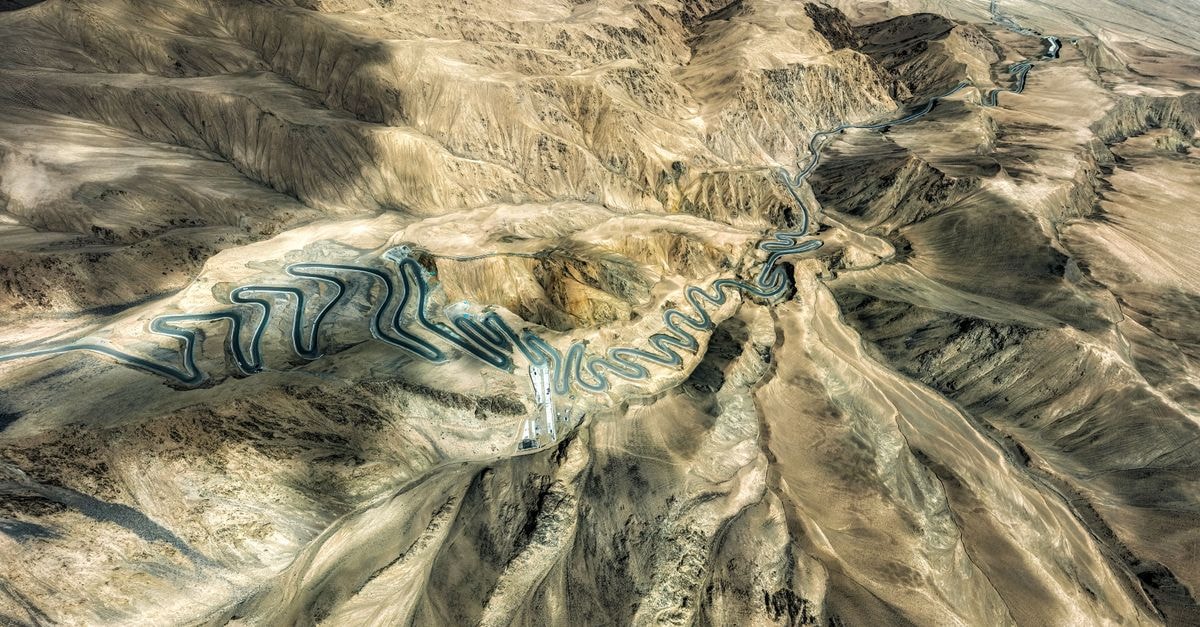
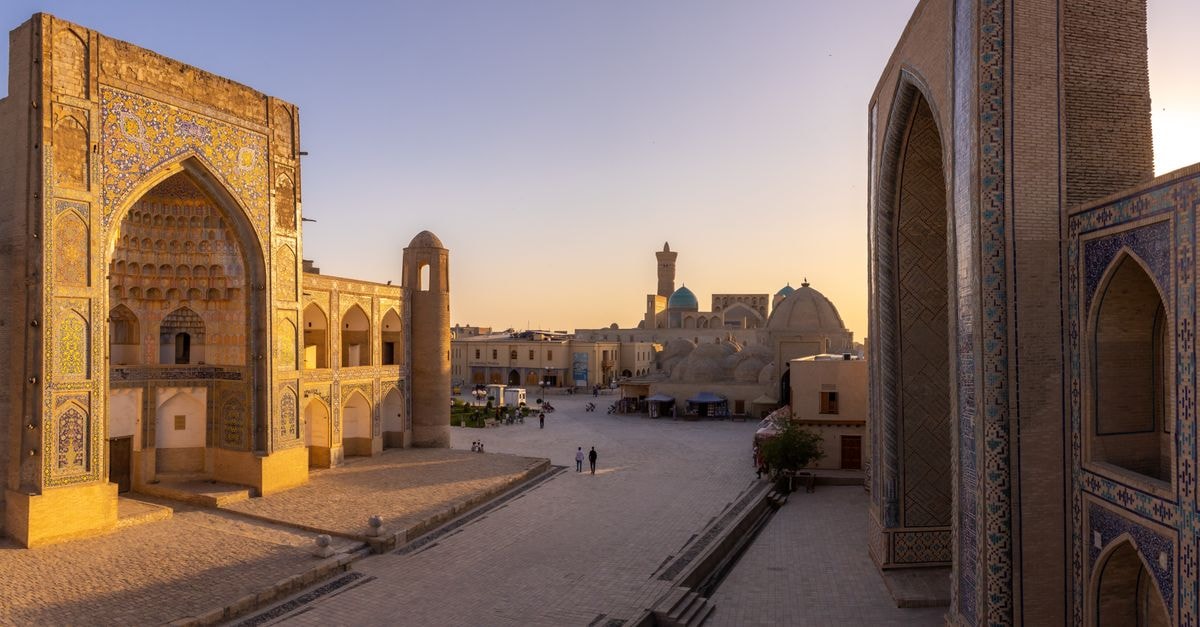
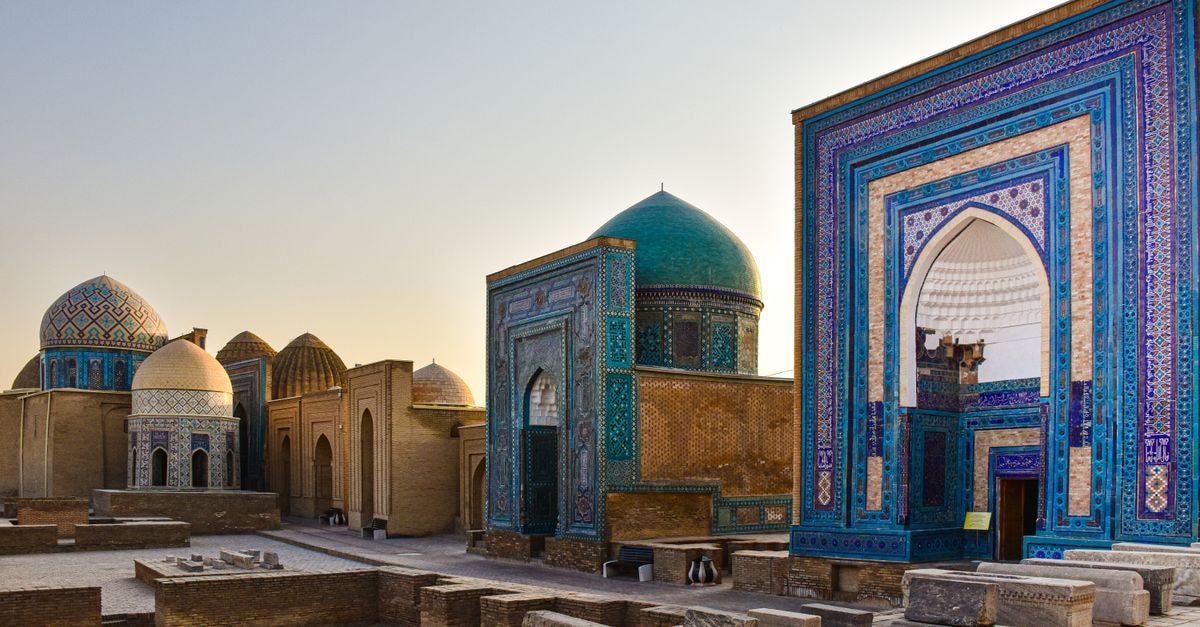
Kashgar sits in the southwestern reaches of Xinjiang, perched at the eastern foot of the Pamir Plateau, where the desert meets high mountain passes and old caravan routes still feel close at hand. The city has long stood at the ancient crossroads of the Silk Road, a meeting point where China, Central Asia, and South Asia converge, and that layered heritage is what most first-time visitors come looking for. What gives Kashgar its particular texture is the sense of geography pressing in: arid plateaus, wide skies, and an old urban core that feels worlds away from the glass-and-steel skylines of eastern China. Travellers who enjoy slow wandering, photography in golden afternoon light, and a sense of stepping into a long human story tend to find Kashgar especially rewarding.
This guide is written as durable city guidance rather than advice pegged to a single season. It focuses on what the approved evidence supports: the climate character that shapes a day in Kashgar, the practical rhythm of moving around the city, the cultural landmarks that anchor any visit, and a note on wider Chinese dining culture that visitors may encounter in everyday settings.
Weather and seasonal context
Kashgar has a temperate continental arid climate, with four distinct seasons and a noticeable swing between daytime and nighttime temperatures. That day-night difference is one of the most useful things to know before packing: even when afternoons feel warm under the high-altitude sun, evenings can turn cool quickly, especially once you move into the shaded mud-brick lanes of the Old City.
There is no single perfect window to travel to Kashgar; the ideal timing depends entirely on the experience you are seeking. Travellers who want the liveliest market atmosphere, for example, will plan around particular calendar moments, while those chasing quieter walks through the old quarters or panoramic views of the surrounding plateau may prefer a different rhythm. Because the climate is arid and continental, layering is more useful than packing for one flat temperature, and pacing the day around the strongest midday sun often makes walking tours far more pleasant.
A simple evergreen approach is to think in terms of climate character rather than specific dates: expect clear skies common to arid continental weather, plan for cool evenings, and build in time for slow tea or a courtyard break when energy flags in the afternoon heat.
Getting around
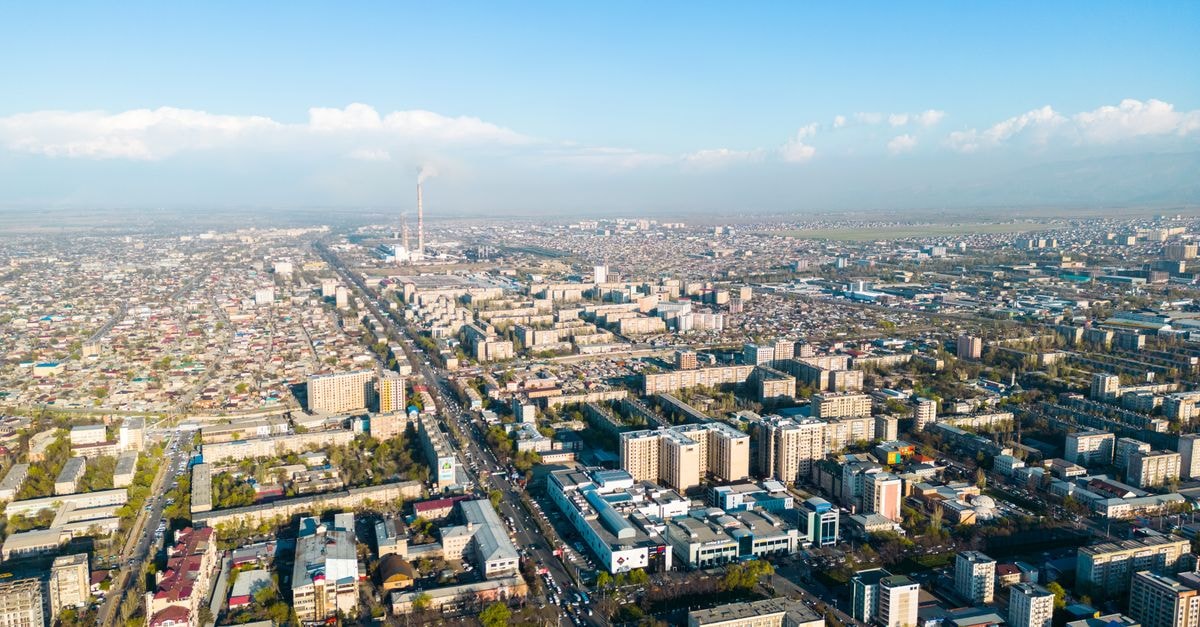
Moving around Kashgar is straightforward, and the public bus system forms the main backbone of transportation within the city, with a broad network of routes reaching into residential neighbourhoods, commercial streets, and the major attractions. For travellers staying in the central area, buses are often the most cost-effective way to move between key points, particularly when paired with a little patience and a sense of direction.
Taxis and private hire options also operate in the city, and they are a comfortable choice when you are carrying a camera bag, moving at a less conventional hour, or simply want a door-to-door ride after a long day of walking. Because the Old City's lanes are narrow and largely pedestrian, most visitors find that the rhythm of getting around involves a short ride to the edge of the historic quarter followed by exploration on foot. It is worth building that hybrid habit into your plans rather than expecting to drive through the historic core itself.
Tourism continues to grow across the region, so basic infrastructure around hotels, guides, and transport services is generally well established. Even so, asking your accommodation for the latest practical tips on bus numbers, taxi apps, and the easiest way to reach a specific landmark is a reliable habit that saves time on the ground.
Attractions and planning
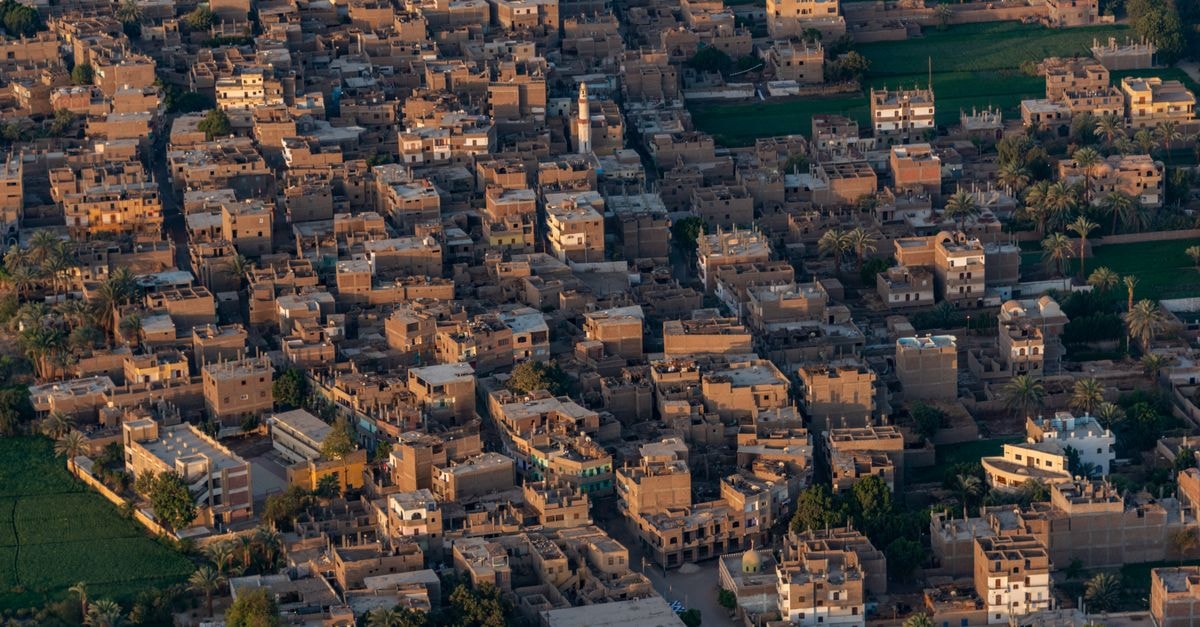
The single most resonant sight in Kashgar is the Old City, where mud-brick lanes unfold between hand-carved doors and shaded courtyards. Together with the Sunday Livestock Market and the Id Kah Mosque, the Old City creates one of the most distinctive urban experiences in China, and most travellers shape their itinerary around these three anchors. The livestock market in particular rewards an early start: trading begins in the morning, the atmosphere is at its most vivid in the first hours, and the surrounding lanes fill with tea houses and small food stalls that are themselves part of the spectacle.
Because Kashgar sits at a historic crossroads of the Silk Road, where China, Central Asia, and South Asia meet, the Old City is best approached not as a single monument but as a living district. Slow walking is the natural mode here, and giving yourself the freedom to drift down a side lane, pause at a workshop, or stop for tea can transform the visit from a checklist into a memory. Photography enthusiasts tend to favour the late afternoon, when the mud-brick walls take on a warm, golden tone and the lanes feel at their most atmospheric.
If your time is limited, a useful evergreen approach is to dedicate at least one full morning to the livestock market, one slow afternoon to the Old City on foot, and one calmer window to the mosque and its surroundings. That loose rhythm lets you absorb the place without rushing, and it leaves room for the unexpected conversations and small discoveries that make Kashgar memorable.
Food and local context
While specific Kashgar dishes and restaurant recommendations fall outside the scope of the approved evidence, visitors will find themselves immersed in wider Chinese food culture as soon as they sit down to eat anywhere in the city. Travel in China goes beyond sightseeing into a heartfelt cultural resonance that includes intangible crafts, cuisine, street life, and ritual, and recognising that wider context can make everyday meals feel more meaningful, whether you are sharing a long lunch with travelling companions or accepting a cup of tea from a local host.
China also has a long history of ritual and etiquette around dining, and table manners are considered an important part of social life. Travellers who take a little time to observe common practices, such as how tea is offered, how dishes are shared, and how hosts invite guests to begin, tend to feel more comfortable and are warmly received. A relaxed and curious approach is usually the best guide; most etiquette nuances become clear through observation rather than instruction, and any awkwardness is generally met with patience and good humour.
Because detailed Kashgar-specific menus, prices, and opening details are not covered by the available evidence, the most practical approach is to ask locally for current recommendations, ask about any ingredients you want to avoid, and treat every meal as a chance to learn something small about the city you are exploring.
Practical closing notes
A few evergreen habits will serve any traveller well in Kashgar: build your day around the climate, lean on the public bus network for cost-effective movement, allow generous time on foot in the Old City, and stay open to the small cultural encounters that come with sharing meals and tea. Keep an eye on official tourism channels and your accommodation for the latest practical updates before and during your trip, as conditions on the ground can change. With that small amount of preparation, Kashgar offers a rare kind of journey: a Silk Road city whose mud-brick lanes, market mornings, and long evening light leave a lasting impression.
Factual travel conditions can shift over time, and details such as transport availability, opening arrangements, and on-the-ground services should always be confirmed through official channels before departure.
Share this article
TOOLS FOR THIS PLAN
Make the Kashgar plan measurable
Choose a tool only when it answers the next question in your trip. Your values stay in the browser, and each tool offers a route back to this planning context.