A Quiet Doorway Into the Hexi Corridor

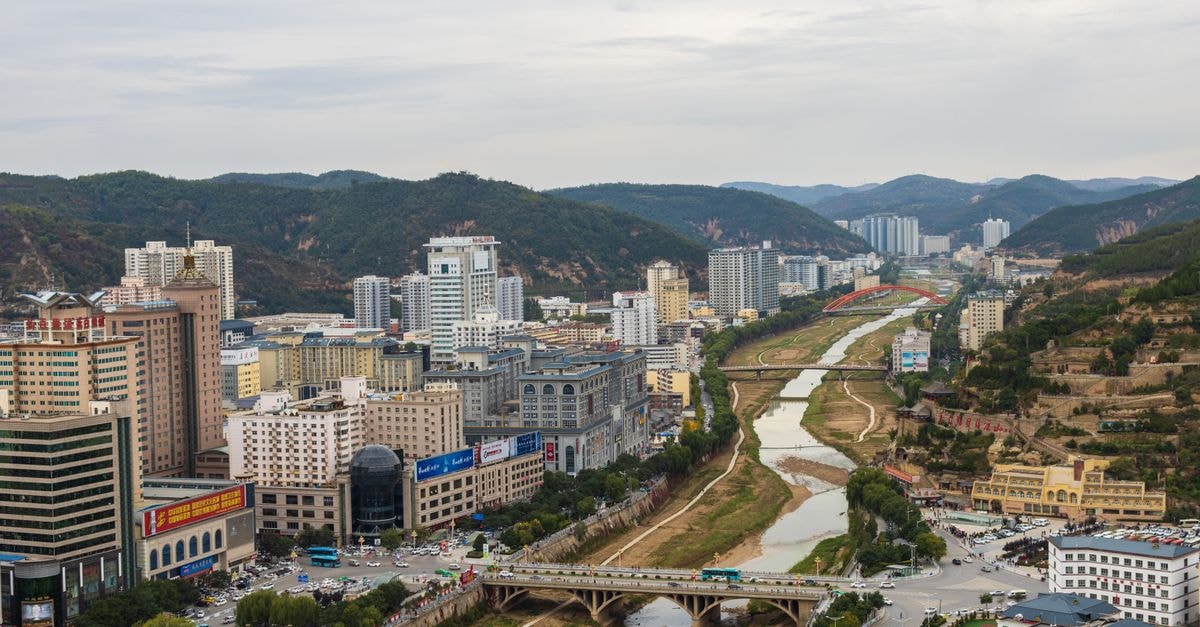
Some cities whisper rather than shout. Wuwei, set on the historical Silk Road, is the first stop on the way from Lanzhou into the Hexi Corridor, the long passage west of the Yellow River where caravan routes once stitched China to Central Asia. The city carries that role gently, recognized as one of China's most storied historical and cultural places, yet it doesn't feel like a place that insists on being seen all at once. If your kind of travel leans toward old stones, local flavor, and the satisfaction of piecing together how cultures met on the road, Wuwei rewards unhurried attention.
Because Wuwei sits at the meeting point of Central Plains traditions and Western influences, the experience tends to reward a traveler who enjoys reading layers, rather than chasing a checklist. A short visit can still feel rich, especially if you come with curiosity about the Silk Road's quieter chapters.
Attractions and Planning the Visit
Wuwei's most recognizable landmarks share a clear thread: they each tell a small but vivid piece of the Silk Road story. The most famous attractions in and around the city include the Leitai Han Tombs, where the iconic Galloping Horse symbol was unearthed, the Confucius Temple, and West Park. For travelers interested in how Chinese civilization absorbed and reinterpreted ideas from the West, the Han Tombs offer a tangible entry point, while the Confucius Temple speaks to the Confucian continuity that shaped life across northern China for centuries.
Because the city is considered to be one of the most famous historical and cultural cities of China, the sightseeing here leans contemplative rather than spectacle-driven. You won't find sprawling theme parks or neon-lit districts pulling attention from the layered past; instead, the appeal lies in walking slowly between eras. A traveler who enjoys museums, tomb sites, and traditional temple architecture may find Wuwei particularly satisfying, while someone hoping for high-energy nightlife or modern urban landmarks might prefer to pair Wuwei with a larger Chinese city rather than rely on it alone.
Planning the trip around local rhythms can also help. The best times to visit Wuwei are summer and autumn, when conditions typically feel more comfortable for walking between outdoor historical sites. Travelers sensitive to harsh winter weather or windy shoulder seasons may want to time their visit within these gentler windows to pace their days more comfortably.
If your travel style centers on history and architecture, consider giving the Han Tombs and the Confucius Temple full attention rather than rushing between them; both benefit from a slower, more observant approach. West Park can work as a relaxed counterpoint between heavier cultural stops, depending on how you prefer to structure your day.
Food and Local Context
Wuwei's dishes balance spicy, savory, and sometimes sour notes, a flavor profile that reflects the city's position as a crossroads. For travelers who enjoy food as a window into place, this style of cooking offers a direct sensory link to the Silk Road's blend of Central Plains and Western influences. The city is widely described as the eastern gateway to the Hexi Corridor and the first stop where Central Plains culture merged with Western traditions, so meals here often feel like a small edible translation of that meeting.
Wider China context visitors may encounter while in Wuwei includes a rich street-food culture in many Gansu and northwestern Chinese cities, where markets and small stalls serve wheat-based snacks, hand-pulled noodles, and lamb dishes seasoned with cumin and chili. These flavors echo what travelers often find across the broader region rather than being unique to a single Wuwei venue, so it's worth treating any specific recommendation as something to verify locally rather than as a guaranteed find.
If you enjoy assertive, spice-led flavors and savory lamb preparations, Wuwei's regional cooking may suit your palate well. Travelers who prefer milder, sweeter, or more delicate Chinese cuisines might find the local balance punchier than expected, though dishes can usually be sampled in small portions at casual spots. As with any unfamiliar food scene, ask locals which stalls look busy and turnover quickly; that often signals both freshness and authenticity.
Choosing What Fits the Trip
Wuwei is best approached as a layered Silk Road experience rather than a checklist of big-ticket attractions. History-focused travelers tend to get the most from a visit, since the Leitai Han Tombs, Confucius Temple, and West Park each reward patience and prior reading. Travelers with limited time should consider concentrating on the Han Tombs and the Confucius Temple, then letting West Park serve as a leisurely break rather than a competing priority. Food-oriented travelers will likely appreciate Wuwei's spicy, savory, sometimes sour regional profile, though those who prefer gentler flavors may want to balance meals with milder dishes available across most local menus. If your travel style leans toward spectacle, modern skylines, or high-energy entertainment, you may want to treat Wuwei as a focused cultural stop rather than the main event of a Gansu trip.
Practical Notes Before You Go
Because Wuwei sits in Gansu's interior northwest, weather and accessibility details can shift between seasons, so verifying current conditions, opening hours, and transport options through official channels before traveling is a sensible step. Local tourist information offices, hotel desks, and up-to-date transit apps can help confirm whether specific sites are open and how to reach them on the day of your visit.
Factual travel conditions can change, and details such as prices, schedules, and entry rules should always be confirmed with official sources before departure.
Share this article
TOOLS FOR THIS PLAN
Make the Wuwei plan measurable
Choose a tool only when it answers the next question in your trip. Your values stay in the browser, and each tool offers a route back to this planning context.