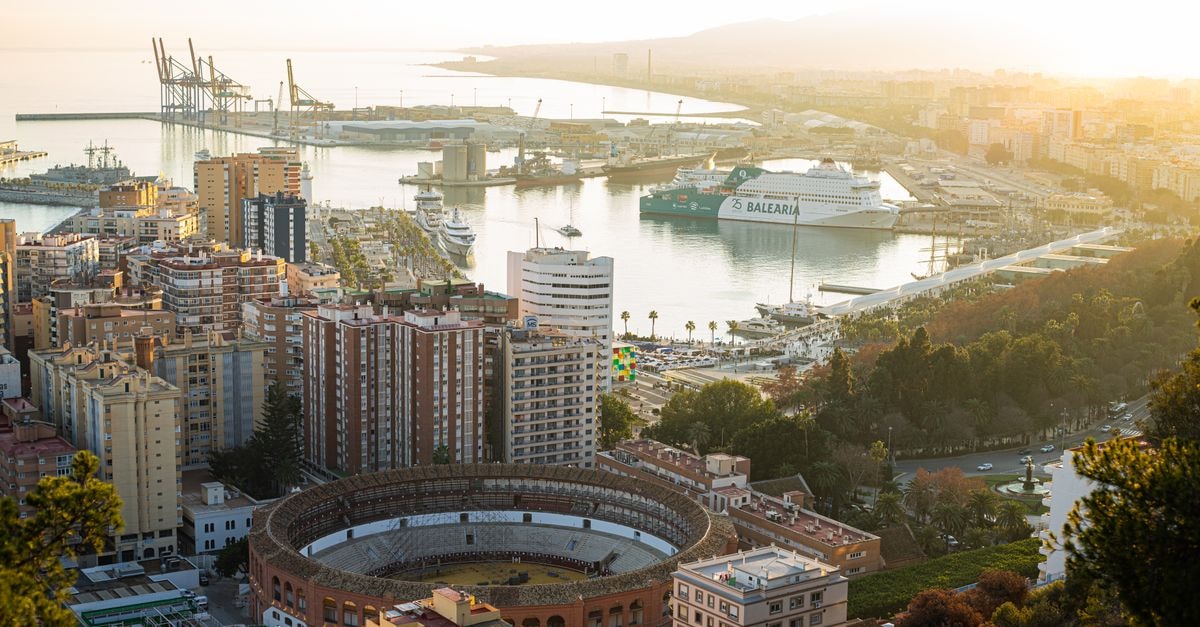
A coastal capital with old trade roots and a lived-in feel

Port-de-Paix sits on the northern coast of Haiti as the administrative and economic center of the Nord-Ouest department. Walking into the city feels like stepping into the everyday side of Haitian life rather than a polished resort scene, and that texture is part of its pull. You get a port-town rhythm where fishing, small trade, and local markets shape the day-to-day. It blends traditional Caribbean character with daily urban bustle and offers authentic Haitian experiences, which suits travelers who value atmosphere over a long checklist of landmarks.
The city has a working past worth knowing about. Port-de-Paix used to be a large exporter of bananas and coffee, and that agricultural and trading heritage still gives the local economy a distinct backbone. For visitors, it reads as a place where street corners and storefronts trade in goods rather than souvenirs, and where conversations tend to feel local rather than rehearsed.
Because the region has high risk and security concerns, with crime and infrastructure issues noted, anyone considering the trip needs to factor strong caution into planning. That doesn't make Port-de-Paix off-limits, but it does mean going in with realistic expectations, sound preparation, and a willingness to move carefully and ask locally before making decisions on transport, lodging, or evening outings.
Weather and seasonal context
The climate in this part of northern Haiti is tropical, with warm temperatures year-round and the kind of humidity that comes with any Caribbean coastal city. The practical guidance is to think in terms of seasons rather than specific dates.
Rain and heat tend to alternate, so light, quick-drying clothing and a compact rain layer tend to earn their space in the bag more than a heavy jacket would. Mosquito protection is generally wise across the region, and sturdy footwear helps on streets that are not always smooth paving. Sun is strong even on overcast days, so sunscreen, a hat, and water are worth carrying by default.
Getting around
Port-de-Paix is not set up for independent, unfamiliar drivers in the way that a major tourist city might be. Movement is shaped by local transport habits and the security environment rather than by clear signage, dedicated tourist shuttles, or well-marked rental desks. The high-risk setting, with crime and infrastructure issues flagged, means it's worth planning each outing in detail rather than improvising on the fly.
Practical guidance is to keep routes short, avoid carrying attention-drawing gear, and move during daylight hours whenever possible. Talking through specific plans with a trusted local contact, a host, or a guide before heading out tends to produce better outcomes than discovering choices on the ground. Anyone driving should expect mixed road conditions and adjust speed accordingly.
Because the city sits on the coast and acts as the Nord-Ouest's main hub, transport within the urban area tends to cluster around short taxi-style rides and shared movement rather than a structured public transit map. The base to work from is simple: assume you'll move with care, factor waiting time into the day, and avoid after-dark travel where possible. Exercise strong caution is the consistent baseline, applied to route choice, timing, and what you bring along.
Attractions and planning
Port-de-Paix is not framed as a checklist city, and the available guidance reflects that. Rather than naming a top tier of must-see landmarks, listings simply invite travelers to explore the city and the area around it, ask questions to experienced travelers and people living in the city, and shape a personal sense of what to prioritize.
For someone planning a visit, the most honest framing of "things to do" is to treat the experience as a working coastal capital to walk through, talk with people, and observe. The former banana and coffee trade left behind a port-town identity that still lingers in small shops and conversations with locals, and that legacy tends to be the more resonant attraction for visitors than any single monument. Visitors drawn to authentic Haitian experiences tend to find that the street-level texture of Port-de-Paix, from market rounds to harbor views, is the main event.
A practical tip is to use the city's general listings and traveler forums to read what recent visitors found useful before locking in plans. Asking your question to experienced travelers and people living in the city is a quiet strength of these resources, and it's the kind of step that pays off most in a place where information can shift quickly. Use that to sanity-check hours, road access, and whether a particular neighborhood feels right at the time of your visit rather than relying on a single fixed plan.
Pacing the day and staying grounded
There's no single "correct" rhythm for Port-de-Paix because the city has more character than choreographed stops. A reasonable shape for a day is to start earlier when streets are calmer and movement is easier, then settle into a more central area to absorb the mix of daily commerce, port activity, and residential life. Leaving a flexible window in the late afternoon helps account for weather shifts and changing energy levels.
If you have more than a day or two, the deeper value tends to come from slowing down rather than expanding a list. Time spent watching how trade moves through the small shops, how people use the harbor, and how the city pulses through the day gives a fuller picture than rushing between spots. The former banana and coffee trade identity is still a useful anchor for these observations.
Given the security environment and infrastructure concerns noted for the city, building in margin time is genuinely practical rather than merely comfortable. That buffer can absorb a delayed ride, a sudden rain cell, or a quiet rest when the heat builds. It's also the kind of slack that makes a tight morning-and-night routine feel manageable.
A few final notes
Fact-based conditions in Port-de-Paix can change, and official travel advisories and local contacts should be checked before departure. Treat the guidance here as a starting framework rather than a final itinerary, and lean on recent traveler input for the small details that shape a comfortable visit.
---
*Factual note: Conditions, advisories, prices, and on-the-ground details can shift. Verify safety guidance, road access, and opening information through official channels and recent traveler input close to your travel date.*
Share this article
TOOLS FOR THIS PLAN
Make the Port-de-Paix plan measurable
Choose a tool only when it answers the next question in your trip. Your values stay in the browser, and each tool offers a route back to this planning context.