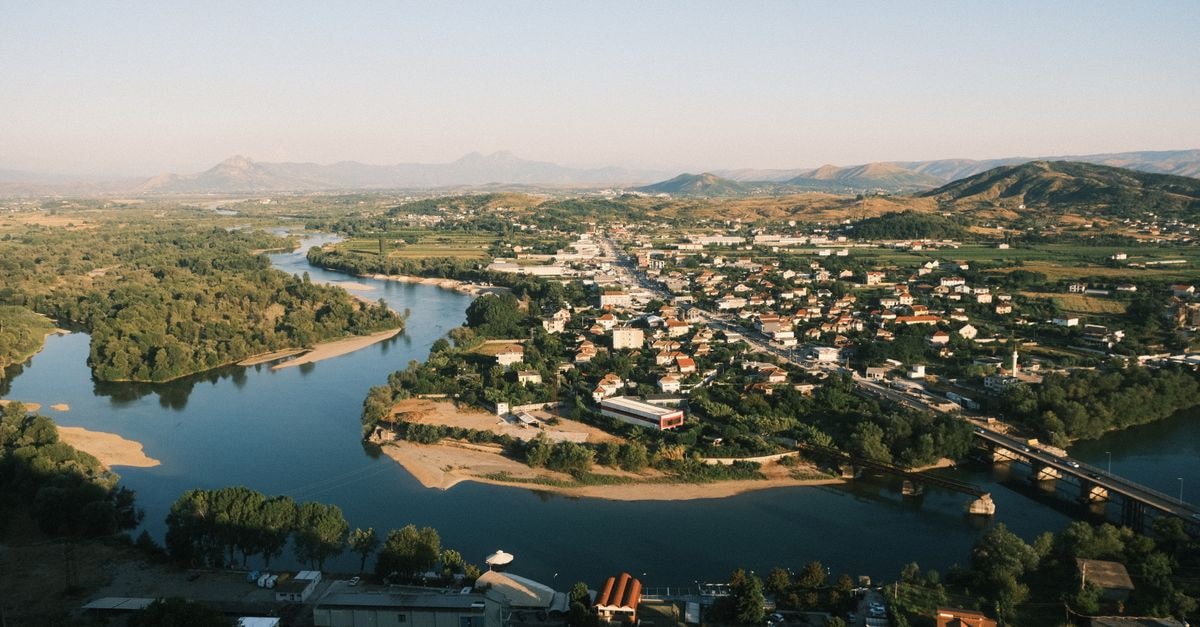
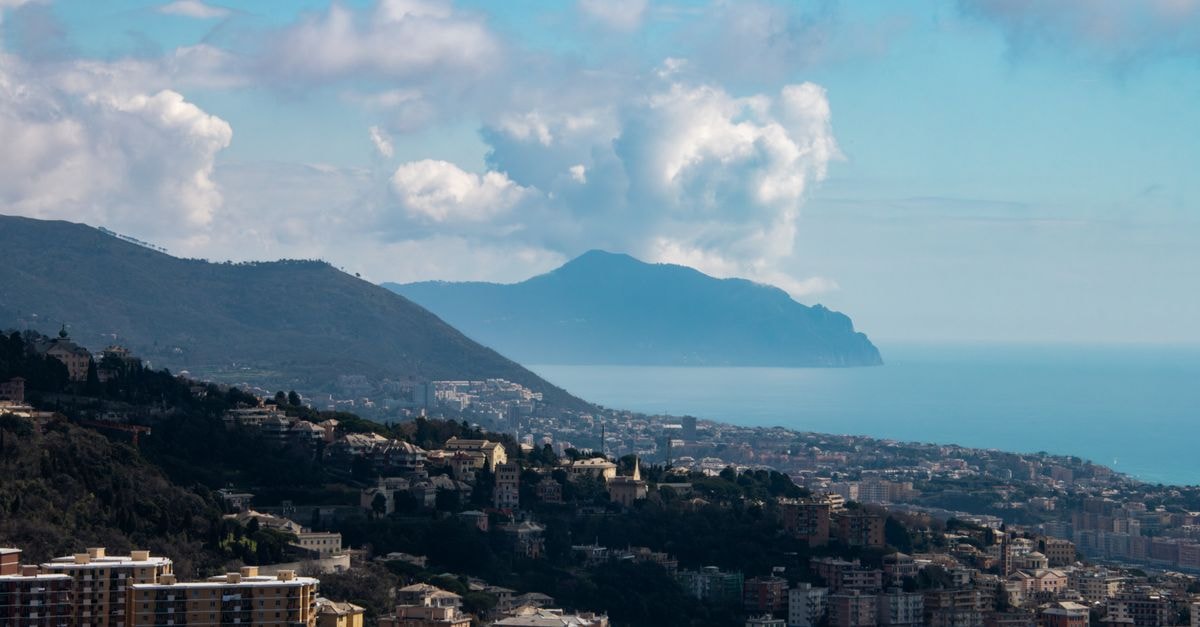
There's something quietly magnetic about Lille, a northern French city that wears its Flemish past and its French present without choosing between them. Wide plazas meet cobbled lanes, and the rhythm feels more like a stroll than a checklist. If you're planning a visit, two practical anchors tend to shape the best experience here: how you move through the city and how you let the local food culture pull you in. This guide keeps its focus on those two pillars, because they are the ones that genuinely shape a memorable trip to Lille.

Getting around
Lille's reputation as a well-connected northern French hub is one of the friendliest things about visiting. The city sits in a position that makes arriving and departing relatively painless, and that ease tends to spill over into how you experience the place once you're on the ground.
Train and air travel are the most common ways people orient their trip. Because Lille is incredibly well-connected, it works as both a destination and a springboard for exploring northern France and beyond. In practical terms, that means the city's transport links are set up to handle travelers in motion, not just locals going about their week.
Once you arrive, having a transport strategy in mind saves a lot of small frustrations. Rather than improvising every leg, it helps to think ahead about how you'll reach your first dinner, your hotel, and any neighborhood you're keen to explore. Lille's compact center rewards walking, but planning transport as part of your overall trip is one of those quietly important Lille travel tips that makes everything else feel smoother. Treat the city's connectivity as a tool, not a backdrop, and the rest of your time here opens up.
Food and local context
Food is where Lille's personality becomes impossible to ignore. The city's culinary story is layered, and understanding that layer is the difference between simply eating here and actually tasting the place.
For many centuries, Lille was part of the historical region of Flanders as its capital city, and that Flemish inheritance is still part of how the table is set today. Walking into a brasserie or a neighborhood bistro, you can sense a crossover between hearty northern European comfort and the polish of French technique. It's not a fusion that announces itself; it shows up in the weight of a stew, the way a dish leans on butter and slow-cooked flavor, and the patience behind desserts that feel built for long evenings rather than quick lunches.
Lille's identity as a vibrant city in northern France is closely tied to a rich culinary heritage that beautifully blends Flemish and French influences. That blend is what gives the local food scene its particular warmth. You don't have to seek it out in any single restaurant; it's the through line that connects menus across the city, from casual spots to more traditional rooms.
From hearty stews to sweet delicacies, Lille's traditional dishes offer a memorable gastronomic experience worth savoring. The phrase "worth savoring" is worth taking literally here. Meals tend to unfold rather than arrive, and the dishes reward attention. Pots of carbonade-style comfort, slow-braised flavors, and a generous hand with cream and cheese are all part of the everyday vocabulary. Sweet endings, often built around regional dairy and baking traditions, tend to be substantial rather than delicate, which fits the city's overall temperament.
If you approach the food scene with curiosity rather than urgency, Lille tends to reward you. Choose one slow, lingering meal over several rushed ones. Sit where the locals seem relaxed. Notice how often a dish nods to its Flemish roots while wearing a French accent. That duality is the real local flavor, more than any single menu item.
A note on planning
Because Lille is compact and well-linked, it's the kind of city where a relaxed pace actually pays off. Rather than packing each day with movement, leave room for the kind of wandering that leads you into a quiet square, a tucked-away bakery, or a second coffee just because the light is nice. The transport network handles logistics; your time handles atmosphere. That balance is what makes a visit here feel like a trip rather than a transit point.
Verification note
Travel conditions, transport details, and food scenes change over time, and opening hours, route availability, and individual menus vary by season and by venue. Before you travel, check official transport channels for current timetables and confirm restaurant hours and reservation needs directly. Treat this guide as a starting point for your own planning rather than a final word on any specific service or spot.
Prices, opening hours, schedules, reservation rules, and local conditions can change; verify them through official channels before departure.
Share this article
TOOLS FOR THIS PLAN
Make the Lille plan measurable
Choose a tool only when it answers the next question in your trip. Your values stay in the browser, and each tool offers a route back to this planning context.