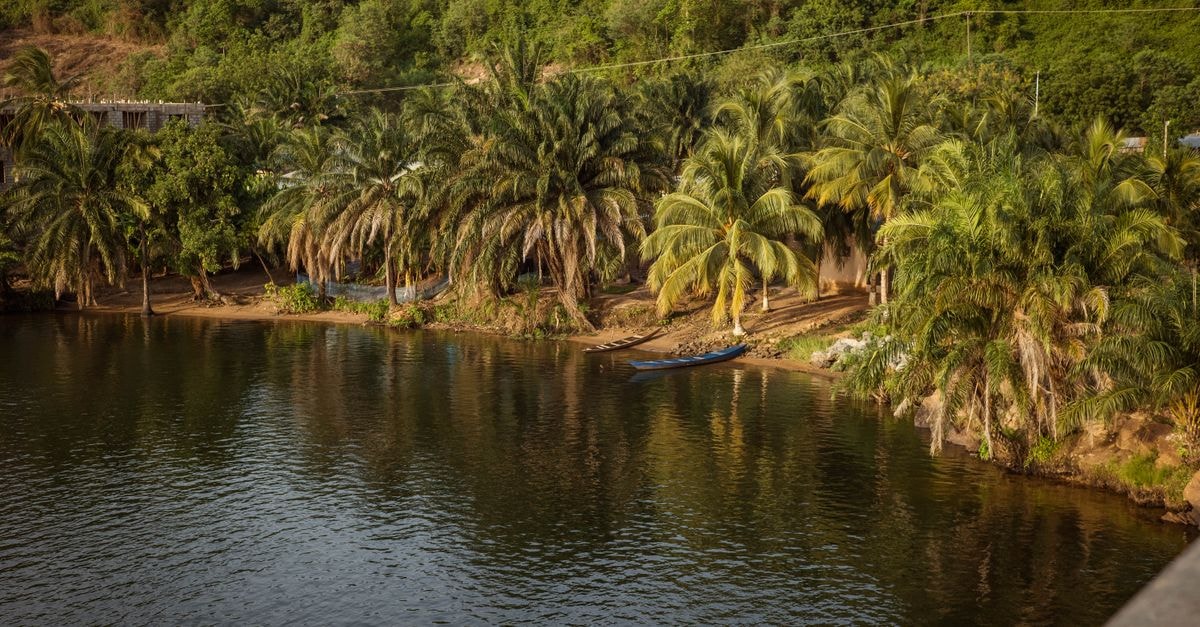
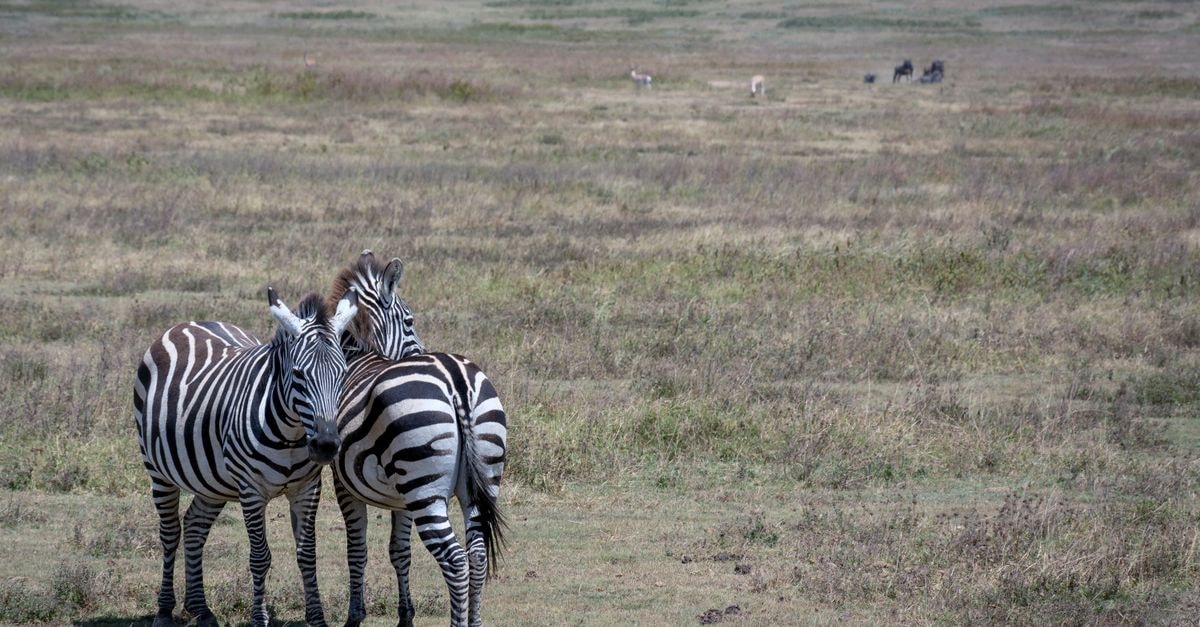
A highland mood in southern Angola

Lubango sits in Huíla Province at a notably higher elevation than most Angolan cities, and that altitude gives the place a different texture from the coastal capital. Nights tend to feel cool, the surrounding land rises into dramatic mountain shapes, and the pace leans toward small-town ease rather than big-city rush. That combination of cool air, bold topography, and a more relaxed rhythm is a big part of why visitors make the journey inland to reach it.
For travelers who like scenic viewpoints, short excursions into wild-feeling landscapes, and a quieter base between adventures, Lubango offers a distinctly Angolan take on the highland stop. It feels like a place to slow down, look outward at the escarpments, and let the geography do most of the talking.
Attractions and planning: the three famous stops
Lubango is closely associated with three of Angola's most recognized landmarks, and they share a geographic logic that makes them easy to think about as a single theme.
The first is the Cristo Rei statue, a hillside figure that watches over the city the way similar monuments do in other Catholic-majority countries, anchoring Lubango's skyline with a clear visual reference point. The second is the Tundavala Gap, a vast escarpment where the highland plateau simply falls away into the lowlands; standing at the rim, you look out across a sheer drop that gives the landscape a rare sense of scale. The third is the Serra da Leba switchback road, a serpentine mountain pass that climbs toward the plateau through a long series of tight curves carved into the hillside. Driving it is a slow, deliberate experience, and the view from the top tends to linger in memory longer than the drive itself.
A fourth stop worth keeping on a Lubango list is the Missionary Museum at Nossa Senhora do Monte, set on a scenic hill overlooking the city. The complex documents the story of early Christian missions in Angola, and the setting alone, with views back across Lubango from the hilltop, adds a layer to the visit that the indoor exhibits alone cannot provide.
Just outside the urban core, the Mukanka (Muquima) Waterfalls offer a quieter kind of outing. They sit a short distance beyond Lubango and reward visitors looking for a more off-the-beaten-path break, with the sound of falling water and a green pocket of vegetation that contrasts with the rocky edges of the plateau.
A practical way to plan the city is to cluster the three famous landmarks as a scenic ring, then treat the Missionary Museum and the waterfalls as gentler add-ons. Lubango rewards travelers who give themselves breathing room between viewpoints rather than racing from one famous stop to the next. Because the city sits at altitude and the road up to the plateau is winding, pacing the day tends to matter more than packing in stops.
Food and local context: what the table looks like
Lubango does not have its own widely documented signature cuisine in the available record, so it helps to know what defines Angolan food more broadly before you arrive. That wider context is what you are most likely to encounter in restaurants, family kitchens, and roadside grills across the country, including in Huíla Province.
A useful starting point is muamba de galinha, one of Angola's defining traditional dishes. It is a slow-cooked stew built around palm oil, chicken, okra, and chili, and the okra lends it a distinctive viscosity, almost stringy in texture, while the palm oil gives it a deep reddish color. It is the kind of dish that reads as comfort food in Angola and tends to arrive at the table with rice or funge on the side.
That second element, funge, is the real anchor of the country's everyday plate. Funge is a thick preparation made from manioc flour, sometimes called cassava flour, and it shows up across Angola as a neutral, starchy base designed to soak up the sauce of whatever stew it is served alongside. Once you notice how often funge appears, menus in Angola begin to read more clearly: the stews change, the funge stays.
A few practical notes for visitors focused on the food side of the trip. Portions of muamba de galinha are usually generous, and a single dish shared between two people is often enough when paired with funge or rice. If you are unsure what to order, asking which stews are served with funge that day is a reliable way to land on something authentically Angolan. Outside major cities, menus may be short and English may be limited, so patience and pointing at what the next table is eating go a long way.
For travelers who like to connect food with place, the Angolan context also helps frame mealtimes in Lubango. Expect lunch to be the day's main meal, expect grilled fish or meat to appear alongside stews at many simple restaurants, and expect fresh fruit, especially tropical fruit, to feature heavily in markets and at roadside stalls. None of this is specific to Lubango alone, but it is what the wider Angolan table looks like, and it is what visitors are most likely to encounter while exploring the city.
Planning notes for a slow-altitude visit
Lubango rewards a measured approach. The Cristo Rei statue, the Tundavala Gap, and the Serra da Leba road can each feel like a full outing, especially once you factor in travel time on winding mountain roads and time spent simply standing at the rim of the escarpment. Travelers who try to compress all three into a single day often arrive at each stop already tired, which dulls the very feeling that makes Lubango worth visiting.
The Missionary Museum at Nossa Senhora do Monte fits naturally into a half-day, particularly as a morning stop when the light over the city is clear and the walk up the hill is cooler. The Mukanka (Muquima) Waterfalls work well as an unhurried afternoon, especially after a morning spent on the viewpoints, when the green setting offers a different texture from the rocky plateau edges.
Because the city's highland setting can make evenings feel noticeably cooler than the daytime, packing a light layer is a small habit that pays off. It is also worth treating any half-day outside the city, including the waterfalls and the Serra da Leba road, as a slow-paced outing rather than a quick errand; the roads curve, the views ask to be watched, and the experience tends to be better when you let it take its time.
Verification note
Factual travel conditions can change, and details such as road access, site opening arrangements, and on-the-ground services in Huíla Province should be checked through official and up-to-date local channels before departure.
Prices, opening hours, schedules, reservation rules, and local conditions can change; verify them through official channels before departure.
Share this article
TOOLS FOR THIS PLAN
Make the Lubango plan measurable
Choose a tool only when it answers the next question in your trip. Your values stay in the browser, and each tool offers a route back to this planning context.