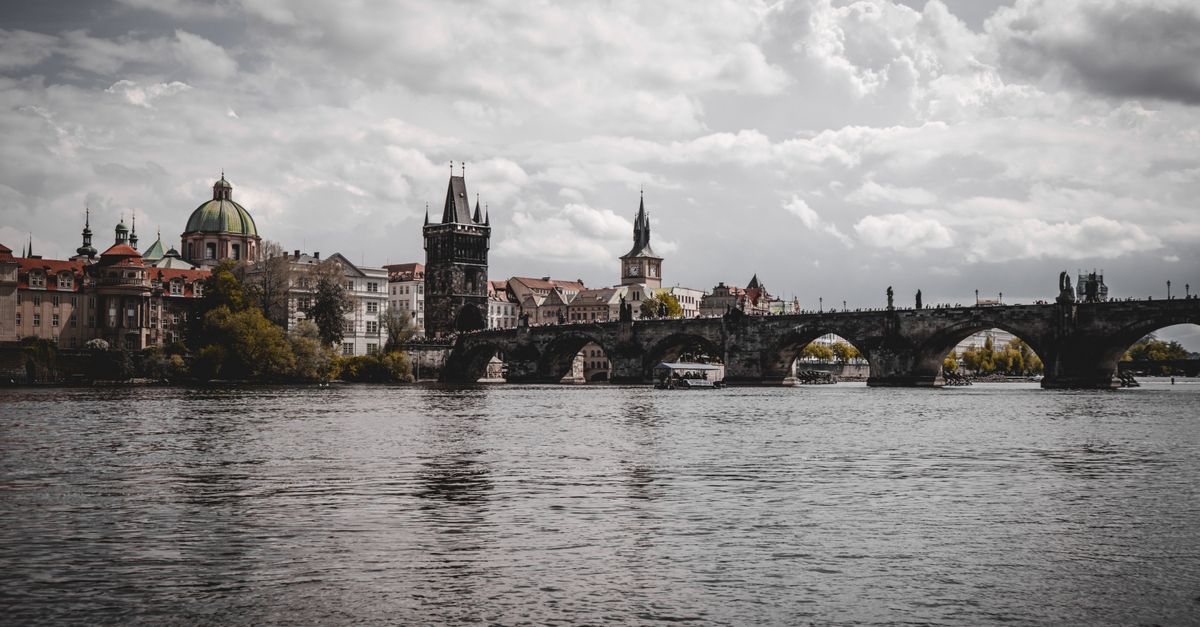
A Compact Cross-Border City Built for Slow Evenings

Maastricht sits at the southern tip of the Netherlands, where the country meets Belgium and Germany. The old center is one of the oldest in the country, with Roman origins, Romanesque churches and a café culture that leans Burgundian rather than typically Dutch. The Maas River cuts through the city, with the compact medieval core on the west bank and the slightly quieter, design-minded Wyck district on the east. Most sights sit within easy walking distance of Maastricht Centraal station.
July is one of the busiest months of the year. It brings warm weather, long evenings and packed terraces, but it also brings a marquee event that transforms the Vrijthof: the summer concerts of violinist André Rieu. That makes July the most event-driven month of the calendar, and it shapes how you should plan and book.
July Weather: Warm Days, Cool Nights, Summer Crowds
Maastricht in July averages around 26°C during the day and 15°C overnight, according to AccuWeather's long-range July 2026 outlook. Daily highs across the month range from about 21°C to 32.5°C, with overnight lows between roughly 11°C and 18°C. That wide swing means you can comfortably eat outdoors in short sleeves, but you should still pack a light layer for late evenings along the river.
July is also one of the year's busiest months, on a par with December for hotel demand. Outside the André Rieu concert weekends the city feels busy but not overwhelmed; during those weekends, expect the Vrijthof to fill from late afternoon and the whole accommodation market to tighten up sharply.
Getting There and Moving Around
Maastricht is well connected by rail. Three stations serve the city: Maastricht Centraal on the west bank, Maastricht Noord in the north, and Maastricht Randwyck next to the hospital and the MECC events venue. Dutch Railways (NS) operates Intercity trains toward Eindhoven, Utrecht and Amsterdam, while Arriva runs regional services to Sittard, Heerlen, Kerkrade, Aachen and Roermond. Belgian rail (SNCB) connects to Liège and Visé, and the RE18 regional express reaches Aachen in under an hour, once an hour.
For international arrival, travelers usually fly into Amsterdam Schiphol, Brussels, Düsseldorf or Eindhoven, all of which have direct rail connections into the city. Within the Euregio Meuse-Rhine, Arriva's Euregioticket is a useful regional pass at €23.50 per day, valid on bus and train across the cross-border region; on weekends and public holidays it covers up to two adults and three children aged 4–11. Within the city, local buses are run by Arriva; the OV-chipkaart is the standard smart card, and most regional buses accept contactless cards.
The center is compact and easy to walk. Cycling is a strong alternative: rental bikes typically start around €10 per day, and the city has extensive lanes. Ride-hailing apps Uber and Bolt operate in Maastricht with somewhat limited coverage compared to larger Dutch cities, so for late-night returns from the bars on the Vrijthof or in Wyck, a regular taxi from a stand is straightforward.
The Big Draw: André Rieu on the Vrijthof
The headline event in Maastricht in July 2026 is the annual summer concert series by André Rieu and the Johann Strauss Orchestra, performed on an open-air stage on the Vrijthof. According to regional transport information, the 2026 Vrijthof concerts run on three weekends: 2–5 July, 9–12 July and 16–19 July. The official Maastricht visitor site confirms the broader run of 2 to 19 July 2026.
These weekends transform the city. The Vrijthof is converted into a giant open-air concert venue with food stalls and a festival atmosphere. Hotels across Maastricht and a roughly 30 km radius sell out months in advance during these weeks, and room rates can run two to four times normal levels. If you specifically want a Rieu concert, book accommodation as early as possible and expect traffic restrictions around the Vrijthof. If you would rather avoid the surge, simply plan your trip outside 2–5, 9–12 and 16–19 July; the rest of the month shares the same warm weather without the crowds and price spikes.
Sights and Activities Beyond the Concert Stage
The Vrijthof is more than a concert venue. The square is ringed by cafés, with the Basilica of Saint Servatius at its edge and the theater opposite. A short walk north brings you to the Markt, dominated by the town hall and the Wednesday and Friday general market. From there, the medieval streets step down toward the Maas and into the Jeker valley.
The underground is part of Maastricht's identity. Guided tours run into the St. Pietersberg cave system from spring through autumn; Fort Sint Pieter, an early-1700s fortress above the caves, offers guided tours until 2 October 2026. The Natural History Museum hosts the Bèr mosasaur experience through 31 December 2026, telling the story of the Maastrichtian geological age. Art lovers tend to make for the Bonnefantenmuseum in Wyck, which mixes old masters with contemporary exhibitions.
If you want a quiet break from the old center, the Frontenpark is described locally as a rugged, adventurous park rather than a manicured garden, and the riverside and Wyck side of the Maas reward slow strolling. Bicycles are free to park across the center, and the city's compact layout keeps most of these highlights within easy reach.
Hotels and Booking Pressure in July
July combines warm-weather demand with event-driven spikes. Outside Rieu concert weekends, room availability in central 3-star properties is generally reasonable, though summer school-holiday traffic across the south of the Netherlands still pushes rates above spring and autumn levels. During Rieu weekends the situation is genuinely tight: hotels in Maastricht and across the wider region sell out months ahead and rates can run two to four times normal.
The practical implication is straightforward. Book flights and accommodation as early as you can for any July visit. If you are not attending a Rieu concert, target the quieter pockets of the month outside 2–5, 9–12 and 16–19 July. Staying slightly outside the center, in Wyck or near Randwyck, also softens the price pressure and still keeps you within walking or short cycling distance of the Vrijthof.
Where to Eat: Limburg Classics
Maastricht's food culture reflects its Burgundian, Belgian and German influences more than typical Dutch habits. Portions tend to be generous and meals are meant to be lingered over. Three dishes anchor the local repertoire.
Zuurvlees (also called zoervleisj) is the city's most famous savory dish: a sweet-and-sour stew of beef (historically horse meat) braised slowly with vinegar, gingerbread and apple syrup, usually served with thick-cut fries or mashed potatoes. Expect around €15–€25 for a main course at traditional restaurants. Konijn op Luikse wijze is a rabbit dish cooked Liège-style with prunes, gingerbread and beer, reflecting the Belgian influence just across the border.
For sweets, Limburgse vlaai is the regional signature: a soft yeast-dough tart filled with fruit such as cherry, apricot or plum, sometimes topped with a crumble or a creamy rice-pudding layer (rijstevlaai). It has protected geographical status in the EU. Local bakeries also produce spelt and rye breads, and Maastrichtse stroop, a thick dark syrup of apples and pears, is spread on bread or used in savory cooking. Maastrichtse kook, a spiced currant loaf, is a typical breakfast or coffee companion.
The city also has a serious fine-dining scene, with several Michelin-starred restaurants in and around Maastricht that combine local ingredients with modern technique.
Markets, Food Halls and Daily Rhythm
Maastricht's food life is also visible in its markets and food halls. The general market on the Markt runs on Wednesdays and Fridays from 08:00 to 14:00, with fresh produce, cheeses, meats, flowers and baked goods. Limmel Market operates on Thursdays from 08:00 to 13:00, with local produce and household goods. For something more concentrated, Markthal Maastricht on Stationsstraat is open daily, with most stalls trading from around 10:00 to 22:00; it gathers international cuisines alongside local products and is a good single stop for a quick cross-section of the food scene.
Coffee culture is strong: there are numerous cafés in the old center and in Wyck, and terrace culture is central to the rhythm of the city, with riverside tables filling quickly on warm July afternoons.
Safety, Money and Practical Tips
Maastricht is generally a very safe destination, with an overall safety index in the high 80s and violent crime uncommon. The main day-to-day risks are pickpocketing in crowded spots (the Vrijthof and Markt during busy weekends, festival crowds, train platforms), bicycle-related incidents and slippery cobblestones after rain. Late-night caution around bars and along poorly lit riverside paths is sensible, as in any European city. The national terrorism alert level is meaningful rather than Maastricht-specific, so basic awareness at events and transport hubs is reasonable.
The currency is the euro. Bank ATMs typically offer the best exchange rates; many shops and restaurants accept international Visa and Mastercard, though smaller market stalls at the Markt and Limmel may prefer cash. Tap water in Maastricht is safe to drink, so a refillable bottle works fine.
A sensible daily budget for a mid-range independent traveler sits around US$100–180, depending on accommodation choices and how many higher-end meals you book. The Euregioticket offers good cross-border value if you plan day trips into Belgium or Germany, and walking or cycling within the city keeps local transport costs minimal. Live exchange rates move, so check the current rate before converting larger amounts.
Weather, ticket availability, concert schedules and transport timetables can all change. Check the official Visit Maastricht site, the André Rieu concert site, NS and Arriva timetables, and your accommodation provider closer to your travel date so you have the latest conditions before you go.
Prices, opening hours, schedules, reservation rules, and local conditions can change; verify them through official channels before departure.
Share this article
TOOLS FOR THIS PLAN
Make the Maastricht plan measurable
Choose a tool only when it answers the next question in your trip. Your values stay in the browser, and each tool offers a route back to this planning context.