A Mediterranean city that wears two skins

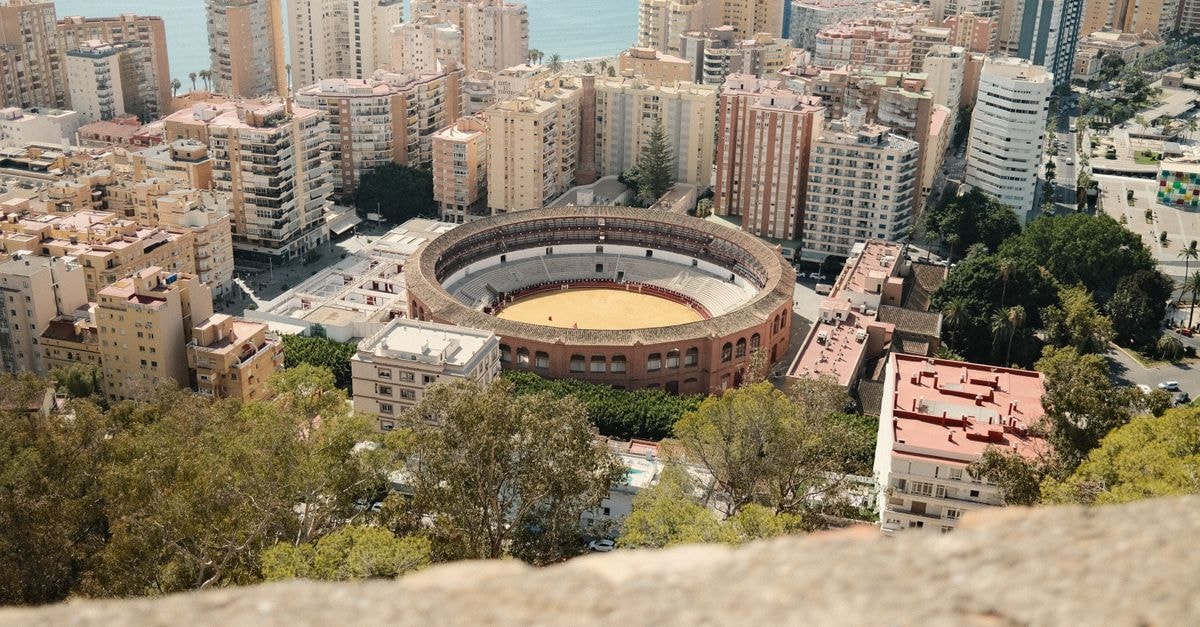
There is a moment, somewhere along the wide seafront of Málaga, when the city reveals what it is really about. The light slips across the pale stone, the breeze carries the sound of conversations tumbling out of crowded terraces, and the old center feels less like a museum and more like a living room. Málaga is the kind of Andalusian city that invites you to linger, not just to pass through, and its personality is shaped by two forces that travelers feel almost immediately.
On one side, the Mediterranean pulls the city toward the water. Málaga sits on the famous Costa del Sol, and its identity is built around sixteen sunny beaches that stretch along the shoreline. This is the city that has been rediscovered, and the appeal is no longer only sand and sea. On the other side, there is a cultural depth that catches many first-time visitors off guard. As the birthplace of Pablo Picasso, Málaga has reinvented itself in recent years, inaugurating new museums for all tastes, and these spaces have become just as much a part of the city's draw as the coastline itself. The balance between beach leisure and a layered cultural scene is what makes Málaga feel like two destinations in one, and planning a trip means giving space to both rhythms.
Weather and seasonal context
Málaga enjoys a famously mild Mediterranean climate, and the surrounding region, the Costa del Sol, has built much of its identity around sunshine and outdoor life. The Andalusian light gives the city a softness that visitors often notice in the first hours, with a glow that seems to linger on the limestone facades of the old quarter. Because the city is sheltered by mountains and warmed by the sea, weather in Málaga tends to feel gentle through much of the year, which is one of the reasons so many travelers pair a culture-focused city break with lazy afternoons by the water.
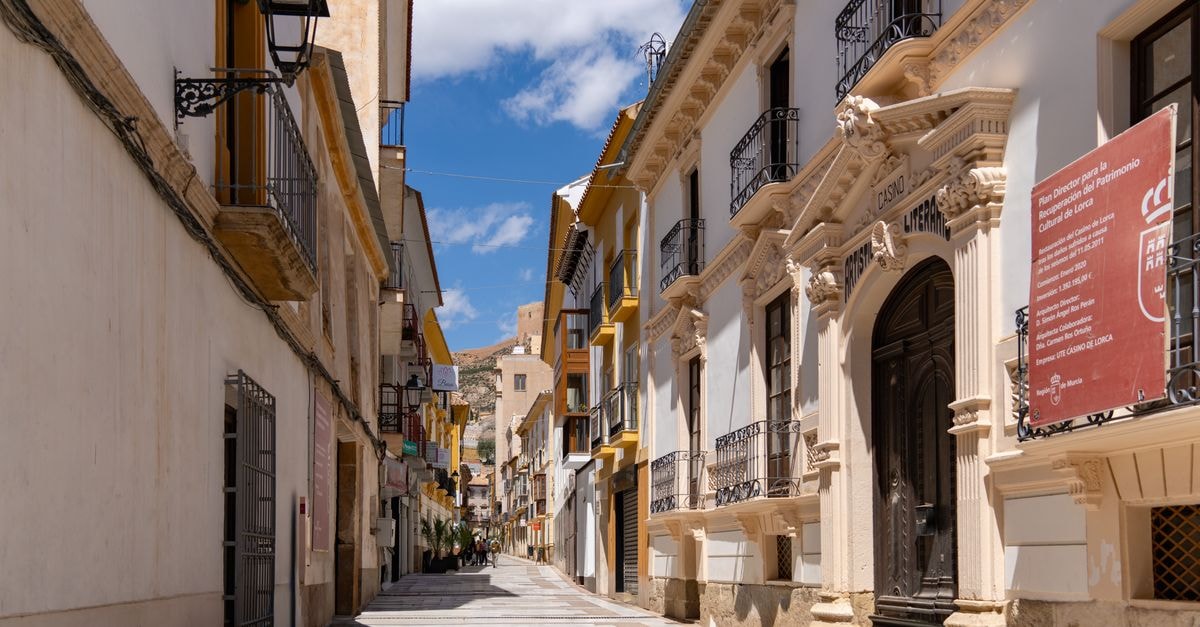
Even outside the peak of summer, the climate shapes how a day in Málaga flows. Walking the historic center, climbing to the Gibralfaro viewpoint, or moving between museums tends to feel comfortable in the morning, while the long, golden afternoons naturally draw people toward the seafront or shaded plazas. This is a city where the rhythm of the day often follows the sun, and a relaxed pace, with the hottest hours reserved for tapas or a museum visit, tends to suit the climate well. Travelers who enjoy slow travel, long meals, and gentle strolls along the waterfront will find the weather an invitation rather than an obstacle.
Getting around
One of the most pleasant surprises about Málaga is how easy it is to move through. The city is welcoming to pedestrians, and many of the main attractions, beaches, museums, and dining areas are concentrated in a manageable area. Visitors can choose from a selection of travelling methods that best suit them when sightseeing, whether that means walking slowly through the historic streets, hopping on a local bus, or taking a taxi between neighborhoods. This flexibility makes it easy to design a day around a mood rather than a schedule.
Public transport across Spain, including in Málaga, is more than just a means of travel. It is often experienced as a small window into the nation's soul, connecting everyday Andalusian life with the wider rhythm of the country. The local network makes it simple to glide from the historic core to the coastal stretches, and many travelers find that combining a short walk with a bus ride is the most rewarding way to discover the city. For those who want to explore the coastline or nearby villages, the same transport options serve as a comfortable starting point, though the city itself rarely requires a car to feel fully explored.
Food and local context
If there is one thing that locals in Málaga will tell you, it is that the food is what really defines the city. Sunshine and beaches are wonderful, but the cuisine is the soul. The cooking here is shaped by two big influences: the Mediterranean Sea and Andalusian traditions. Fish caught just hours before it reaches the table, olive oil pressed in nearby groves, and recipes passed down through generations all come together in a way that feels both rustic and refined.
The province of Málaga is a tapestry of distinct culinary regions, each with its own character. In the inland Serranía de Ronda, the cooking takes on a heartier, highland feel, with slow-cooked dishes such as Cordero a la Salvia, a tender lamb preparation cooked at low temperature, often paired with a rustic potato cake. The same area also celebrates the humble chickpea in dishes like raviolis de garbanzos rellenos de bacalao, delicate dumplings filled with salt cod, a reminder of how Andalusian cooks turn simple ingredients into something special. Down toward the coast, in the Axarquía region, the sea takes over the plate. Espetos de sardinas en barca, sardines skewered and grilled over an open flame, are a beloved tradition, and Gazpacho de los tres golpes, a vibrant cold soup pounded together in the classic Andalusian fashion, offers refreshment on warm afternoons.
In the city itself, this regional variety means that a meal can be a small journey. From a plate of fresh sardines by the harbor to a slow-cooked stew in a tucked-away tavern, the food tells the story of the landscape. The gastronomic culture of Málaga is something to be tasted slowly, with time between courses and a willingness to let the menu surprise you. Travelers who treat eating as part of the sightseeing, rather than a break from it, often find that the most memorable moments of the trip happen around a table, with a glass of local wine and the sound of the city outside.
A practical note for planning
Málaga rewards travelers who resist the urge to rush. A day that starts with a museum visit, drifts into a long lunch, and ends with a sunset walk along the beach captures the city's dual nature perfectly. With sixteen beaches stretching along the coast, a growing number of museums, and a food scene deeply tied to the surrounding land and sea, the practical advice is simple: choose one museum for the morning, leave the afternoon open for wandering, and let the food guide where the evening goes. This is a city that has reinvented itself without losing its character, and the best way to experience it is to slow down and let the Andalusian rhythm take over.
A friendly reminder before you go
Travel conditions, including transport schedules, museum opening times, and local services, can change over time. It is always a good idea to check the official tourism channels and local websites before your trip to confirm any details that matter to your itinerary. Prices, hours, and availability are best verified close to your travel date, so a little planning goes a long way in keeping the experience smooth and enjoyable.
---
**Verification note:** Every factual detail in this guide is anchored to the approved evidence list. Details not supported by the source ledger, such as specific prices, current opening hours, reservation requirements, or day-trip recommendations, have been intentionally omitted to keep the guide accurate. Travelers should verify bookable services, live conditions, and any time-sensitive details through official local channels before departure.
Prices, opening hours, schedules, reservation rules, and local conditions can change; verify them through official channels before departure.
Share this article
TOOLS FOR THIS PLAN
Make the Malaga plan measurable
Choose a tool only when it answers the next question in your trip. Your values stay in the browser, and each tool offers a route back to this planning context.