A calm introduction to Mansa

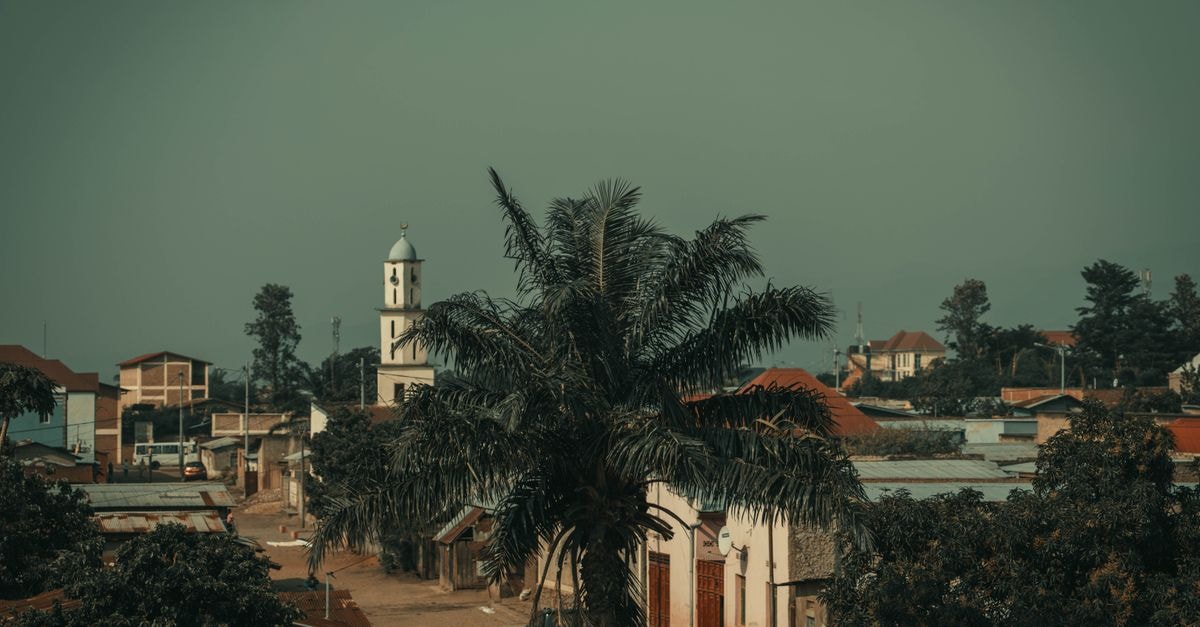
There's something unhurried about the idea of Mansa, the administrative heart of Zambia's Luapula Province. It isn't a place that tries to dazzle; it simply lets the rhythm of northern Zambia set the pace. For travelers who appreciate stepping into a town where traditional and modern influences quietly mingle, Mansa offers a window onto a region often passed through rather than paused in. The blend of traditional and modern influences gives visitors a sense of Zambian life that feels lived-in rather than staged, an experience that rewards curiosity more than a packed schedule.
This is intended for independent visitors who prefer grounded context and are planning an unhurried stop in northern Zambia.
Weather and seasonal context
Understanding the climate is one of the most useful things a traveler can do before arriving in Mansa, because the rhythm of the year shapes nearly everything else: how the roads feel, how green the landscape looks, and how the day itself unfolds.
The calendar around Mansa divides naturally into a wet season and a long dry period. The wet season runs roughly from November through April, and during these months daytime temperatures typically sit between 20°C and 30°C (68°F to 86°F). The rains during this window are heavy enough to turn local roads muddy, which can make travel to more remote corners of the region slow and a little unpredictable. There is, however, a payoff for the patience the wet season demands: the scenery reaches its greenest, and fishing and small wildlife tend to thrive in these months. Travelers who appreciate lush landscapes, freshwater ecosystems, and the quiet bustle that follows the rains may find this stretch especially rewarding.
Before the rains arrive, the heat intensifies in the weeks leading up to them, which is worth knowing if you tend to feel the heat. Consider planning outdoor time for the cooler parts of the day, and bring light, breathable layers. Because the wet season can slow overland routes, anyone relying on road connections should think about building a little extra buffer into their plans. Pace the day accordingly, carry water, and remember that a town in the run-up to rain has its own kind of beauty, just a slower, warmer one.
Getting around
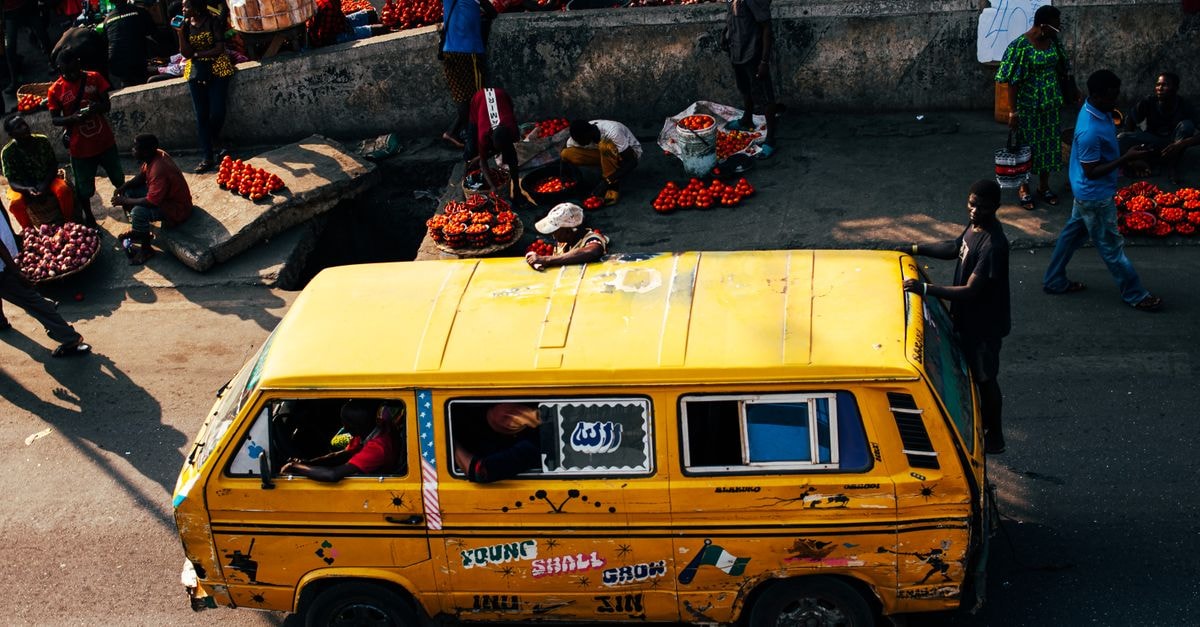
Because Mansa blends traditional and modern influences, getting around often means experiencing both in a single day: market streets that feel rooted in local daily life, and broader roads used by those traveling between provinces. The character of the town is part of what makes it feel like a genuinely Zambian stop, one where visitors are stepping into a working provincial capital.
Choosing what fits the trip
For travelers weighing whether Mansa suits their plans, a few tradeoffs are worth thinking through. The wet season (November through April) brings heavy rain and the possibility of muddy, slow roads, so visitors who prioritize smooth overland connections or have tight onward schedules may want to plan more carefully around route conditions. On the other hand, travelers drawn to lush scenery, freshwater fishing culture, and thriving small wildlife will likely appreciate this window for its visual reward.
The weeks before the rains are noticeably hotter, which matters if you're sensitive to the heat. Consider keeping activity light in the middle of the day and leaning into the cooler hours if you visit during this transition.
Mansa works especially well for travelers who are comfortable with a regional capital that asks for curiosity rather than a checklist. Visitors who prefer larger urban energy, a dense concentration of attractions, or seamless infrastructure may want to weigh what they're hoping to find before committing to a longer stay. Anyone using it as a base for the wider region should factor seasonal pace into their planning, especially when onward connections depend on road conditions.
A short verification note
Travel conditions, road status, and local services can change without notice, and the rhythm of northern Zambia shifts with the seasons. Before traveling to Mansa, it is worth checking current road conditions, regional transport availability, and any local advisories through official sources. A quick check before departure helps ensure that the practical details of your trip match the grounded expectations set out above. Factual conditions on the ground can change quickly; official channels should always be confirmed before travel.
Share this article
TOOLS FOR THIS PLAN
Make the Mansa plan measurable
Choose a tool only when it answers the next question in your trip. Your values stay in the browser, and each tool offers a route back to this planning context.