A first impression of Alimosho

Alimosho often appears on travel pages less as a polished postcard and more as a name worth decoding. It is a local government area in Lagos City, in the South West of Nigeria, and it carries a quietly impressive distinction: across the regional sources that describe it, Alimosho is consistently named as the largest local government in Lagos in terms of population. That single detail reframes how a visitor should think about the place, because it signals density, energy, and the kind of everyday choreography that comes with millions of residents sharing one administrative boundary.
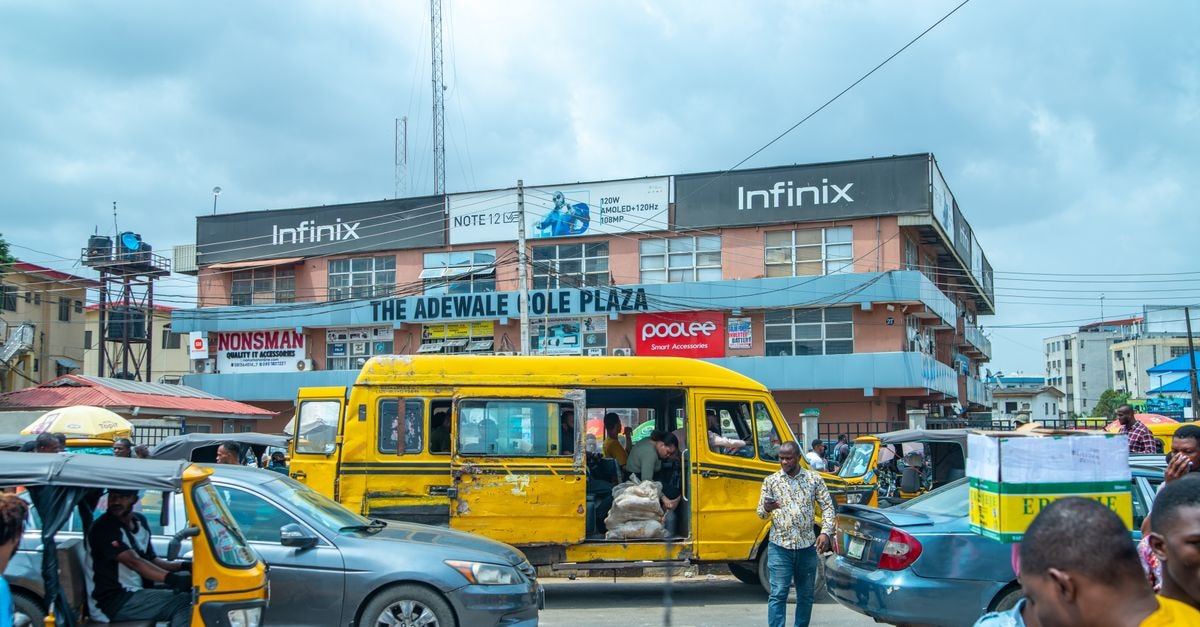
Rather than arriving with a checklist of headline sights, it helps to settle into Alimosho as part of greater Lagos. The area reads less like a quiet neighbourhood and more like a sprawling district where residential streets, small commerce, and commuter life blend together. For a traveller, that means pacing the visit around people rather than around a single landmark, and being curious about how a place this populated actually functions day to day.
Weather and seasonal context
The ledger does not provide a forecast for any specific window, so the guide keeps its weather framing firmly in the realm of long-running Lagos context rather than a dated prediction. Alimosho sits in Lagos State in South West Nigeria, where the climate tends to feel warm and humid for much of the year and where rainfall patterns shape the rhythm of streets, traffic, and outdoor plans.
What a visitor can do with this information is plan with softness rather than precision. Days can feel warmer and brighter in the early afternoon, while mornings and evenings tend to invite slower walking. The most practical takeaway is not a forecast but a habit: pace outdoor exploration around the gentler parts of the day, keep water within reach, and treat the climate as part of the texture of Alimosho rather than a problem to be solved.
Because rainfall and humidity in coastal Lagos can rise sharply without warning, it is wise to carry a light layer or umbrella when moving between neighbourhoods. The exact weather on any given day is something to confirm closer to the trip, but the seasonal feel of Lagos, including Alimosho, is something most visitors come to recognise quickly once they are on the ground.
A layered housing history
One of the more interesting human stories attached to Alimosho concerns how some of its residential estates came into being. According to historical records, a notable estate in the area was originally constructed in the 1980s to house the Nigerian legislatures. Over time, those original residences were sold to members of the general public, particularly to middle-income earners who either lived in the homes themselves or rented them out to others.
That history is more than a footnote. It helps explain the social fabric a visitor encounters today: an estate built for a national institution has become part of a wider community, with residents who arrived through very different doors. For travellers who like to read a city through its buildings rather than only through its skylines, this kind of origin story offers a useful lens. The estate is not a museum piece; it is a living block where the past is still quietly present in the address.
It also offers a small reminder that housing in Lagos is rarely just housing. Whether an estate was originally planned for legislatures or for other purposes, it becomes a neighbourhood, and a neighbourhood becomes the everyday setting for everyone who passes through it. A visitor who slows down around these residential pockets tends to pick up more of Alimosho's character than someone racing from one planned stop to the next.
Getting around Alimosho
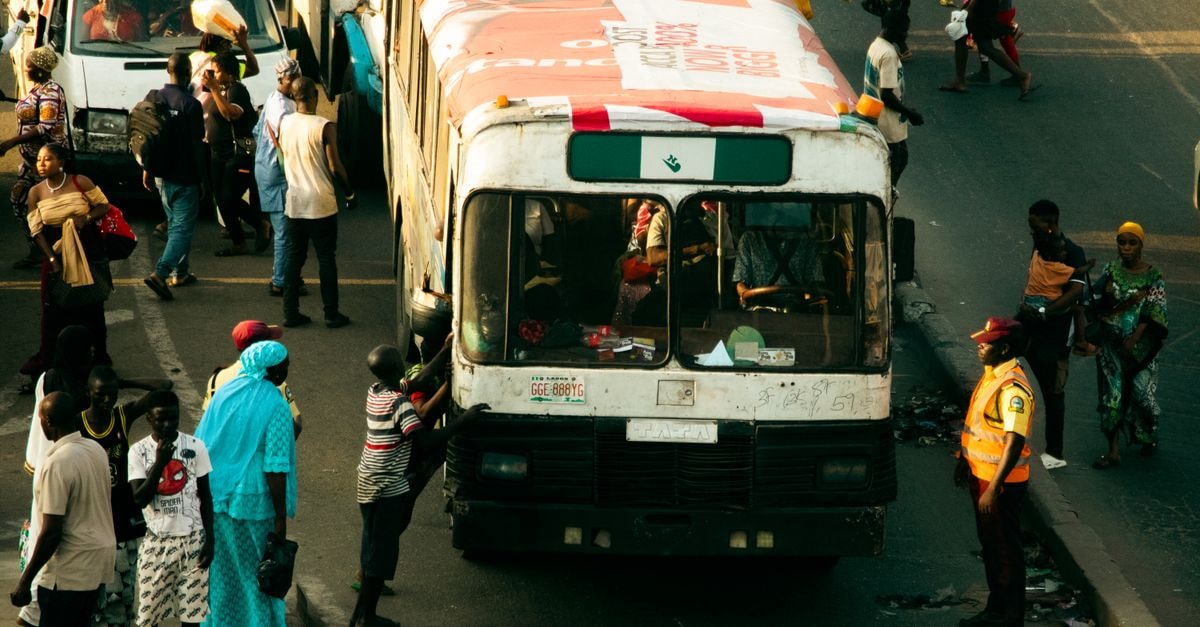
Transport is where Alimosho's scale really begins to matter. Because it is the most populated local government in Lagos, movement within and around the area tends to be busy, with a steady flow of cars, motorcycles, and small commercial vehicles threading through the main corridors. A useful reference point comes from the Ikeja area: typical fares from Ikeja to Alimosho tend to land in the range of around NGN 2,000 to NGN 6,000, depending on distance and on how traffic behaves at the moment.
Two practical habits help. First, build in time. A short distance on a map can take considerably longer on the road, especially when commuter hours thicken. Second, treat fares as a moving target rather than a fixed ticket. The same trip can cost noticeably more at peak times, on bad roads, or when fewer options are circulating. Travellers who keep small denominations ready tend to move through these moments more smoothly.
Within the broader pattern, some options are pricier but more reliable, especially at night, when the volume of informal transport thins out and waiting times grow. For visitors who are still learning the routes, that reliability can be worth the premium. It shortens the gap between deciding to leave and actually arriving, which on a long Lagos day can feel like a quiet luxury.
Finally, a word on orientation. Alimosho is part of Lagos State, and its road network links outward toward Ikeja and other parts of the metropolitan area. Visitors who are not yet confident about the geography often find it useful to anchor themselves to a major reference point first, then expand outward. Patience, in that sense, is as much a part of the transport toolkit as any specific vehicle.
How to plan a visit that respects the place
Because the approved evidence is most detailed on transport and on the character of the area, the most honest way to plan a visit is to lean into those themes rather than to invent attractions. A useful approach is to think in three layers: the population scale of Alimosho, the everyday routes that residents rely on, and the layered housing history visible in residential estates across the area.
Allow space for unplanned moments. Markets, bus stops, and residential intersections often say more about a place than any formal sight, and Alimosho rewards visitors who are willing to simply sit with a cold drink and watch the rhythm of the streets. That kind of observation respects the fact that the area is a lived-in community first and a destination second.
It also helps to keep expectations grounded. Alimosho is not a checklist of attractions; it is a populous, working corner of Lagos where everyday life is the main event. Travellers who arrive with that mindset tend to leave with a much fuller impression than those searching for a polished tourist highlight.
Practical notes before you go
Currency in Nigeria is the naira (NGN), and any fare ranges quoted here are meant as a reference point rather than a guaranteed rate. Live exchange rates and current fares should always be checked before relying on a number, since both can shift over time. Where the ledger offered a fare range from Ikeja to Alimosho of around NGN 2,000 to NGN 6,000, treat that as a useful starting bracket and confirm closer to the date of travel.
Above all, remember that factual travel conditions can change. Traffic patterns evolve, fare structures adjust, and local conditions shift. Official channels, current transport operators, and up-to-date local advice should always be checked before departure, so that the visit is shaped by fresh information rather than by any single guide.
Share this article
TOOLS FOR THIS PLAN
Make the Alimosho plan measurable
Choose a tool only when it answers the next question in your trip. Your values stay in the browser, and each tool offers a route back to this planning context.