A first impression of Maputo

Maputo carries a particular kind of energy the moment you arrive: a warm coastal breeze off the Indian Ocean meeting the layered façades of a Portuguese-influenced capital. The city has its own pace, looser than many African capitals, with conversations spilling out of cafés and a long curve of bay that always seems to be in the background. Travelers used to denser, faster cities often notice the contrast right away, and it's worth giving yourself a little breathing room to settle in.
As the capital of Mozambique, Maputo is where political, cultural, and commercial life concentrates, and it shows in the mix of street life, markets, and government-era buildings that frame the main avenues. That contrast is part of the appeal. A walk of just a few blocks can shift from broad, tree-lined boulevards to quieter lanes where verandas shade the sidewalk and someone is almost certainly brewing coffee nearby.
This guide keeps things grounded in what is actually documented about the city today, so it reads more like a starting orientation than a checklist of must-sees. If you arrive curious and patient, Maputo tends to reward that approach.
Weather and seasonal context
Weather guidance for Maputo should be treated as a general backdrop rather than a forecast. The destination's own travel portal presents current geolocation and ownership-validation prompts rather than a clean, public climate summary, which means a specific month-by-month breakdown isn't something a visitor can rely on from that page alone. In practice, that just reinforces a useful habit: check a live weather source the week you travel, and pack for warm, humid coastal conditions with the option of a light layer for air-conditioned interiors or evening breezes off the bay.
Because there is no direct temperature or condition data in the approved evidence for this guide, the safer posture is to plan flexibly. Build your days with shade, water, and rest breaks built in, especially if you're walking between attractions during the middle of the day. Mornings and late afternoons tend to feel more comfortable than the midday stretch, so front-loading outdoor time is a sensible rhythm.
There is also no basis here for claiming a peak season, a quiet season, or a best month to visit. Anyone planning around school holidays, regional events, or local festivals should verify those dates through an up-to-date source closer to travel. The weather section is intentionally short because the evidence for it is short.
Getting around
Maputo is a city built for unhurried exploration, and the best way to understand it is to move through it on foot where it makes sense. The waterfront, the central avenues, and several of the older neighborhoods reward walking because the architectural details, the street-level conversations, and the bay views are exactly what give the city its character. That visual layering is part of the experience, and you absorb more of it at walking pace than from behind glass.
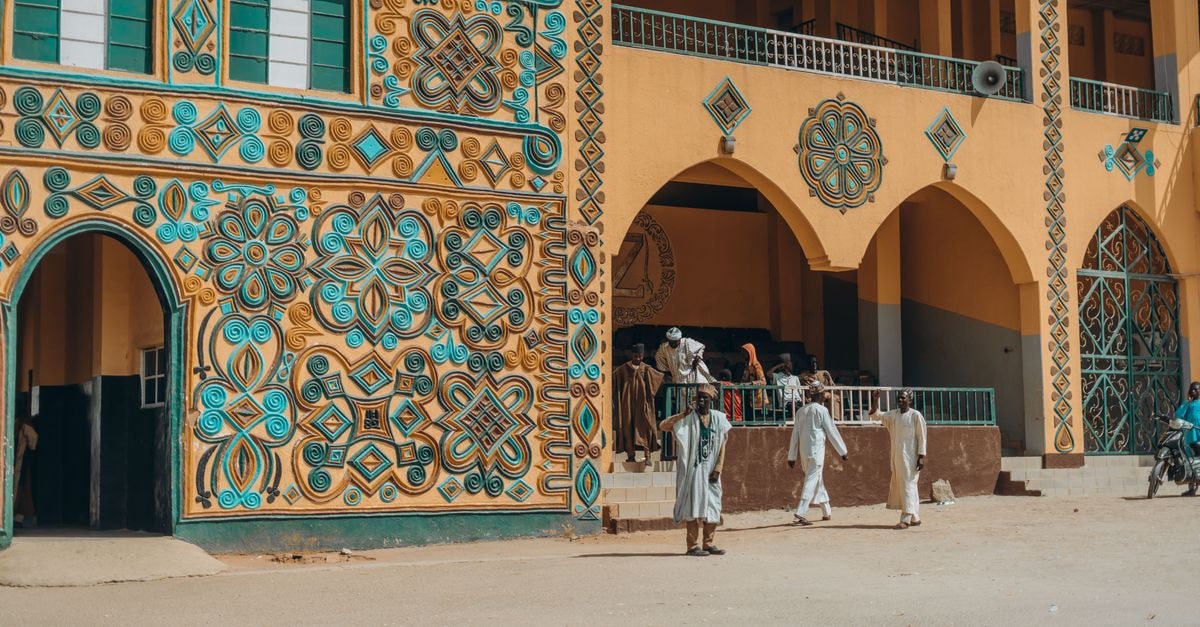
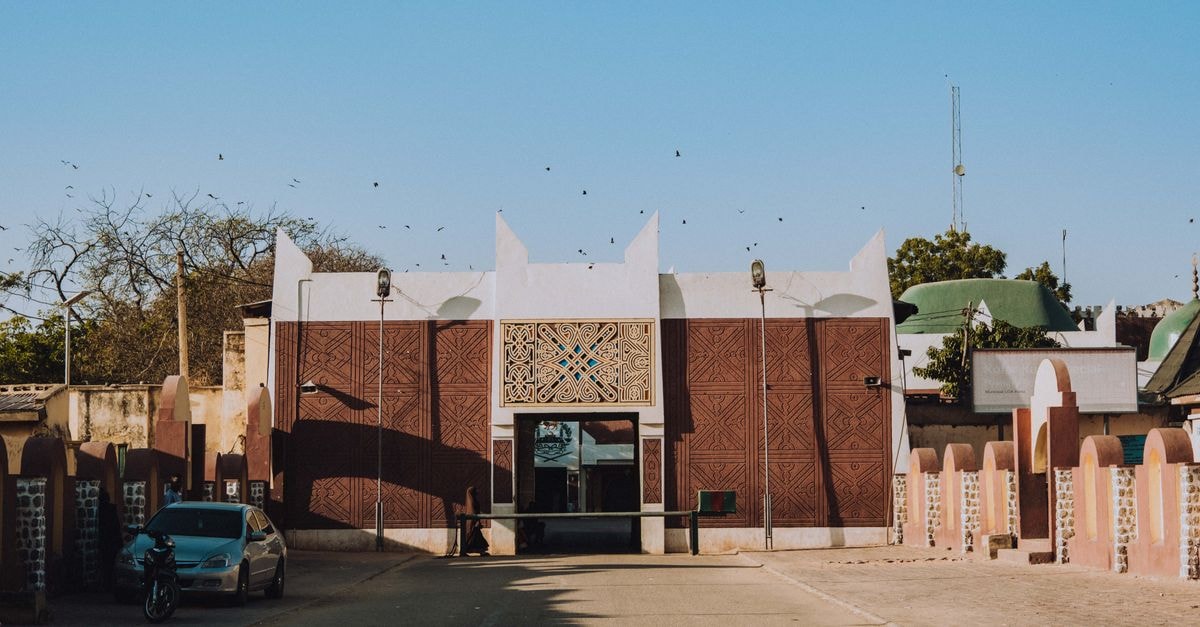
The city's architecture tells a layered story as you move around. Maputo is the capital of Mozambique, and its buildings range from old colonial palaces to newer high-rise constructions. The dominant architectural style, though, consists of what travel writers often describe as Stalinist-looking concrete-walled boxes, generally with badly eroded paint and rusty security bars. That description is not a complaint so much as a texture: the city wears its history visibly, and noticing it is half the fun of a walk.
For longer distances, taxis and ride-hailing are typically the most practical option for visitors unfamiliar with the local minibus network. Walking remains the default for the central areas; driving is better reserved for the edges of the city or for trips where the distance genuinely doesn't make sense on foot.
A small practical note: sidewalks can be uneven, and crossings aren't always pedestrian-priority. Move patiently, make eye contact with drivers, and you'll find the city is far more navigable than it first appears.
Attractions and planning
Maputo rewards travelers who arrive with a wide-open sense of what they want from a city. Travel platforms consistently describe it as a place that has loads to offer every kind of traveler, and from adventure to relaxation and everything in between, it's nearly impossible to get bored. That breadth matters because it removes the pressure to optimize. You don't need a strict list of must-see landmarks to have a meaningful visit; you need a willingness to wander, to sit in a café for an extra hour, and to let the bay pull you back when the afternoon light gets good.
The most useful planning posture is to anchor your days around a few broad areas rather than a packed schedule. Spend one stretch along the waterfront and the older central grid, where the colonial-era buildings and the bay views concentrate. Choose another stretch to drift through the city's commercial and residential lanes, watching how the architecture shifts and how daily life plays out at street level. Leave space between those blocks for meals, for shade, and for the unplanned conversations that often turn out to be the most memorable part of a Maputo trip.
Because detailed attraction lists, opening hours, and ticket information aren't part of the approved evidence for this guide, it's better to treat specific venues as something to look up close to travel rather than something to commit to in advance. Local tourism offices, hotel concierges, and current visitor reviews will give you a far more accurate picture than any pre-trip list could. This approach also leaves room for the spontaneous finds that travelers often mention about Maputo: a particular corner, a particular café, a particular view of the bay that simply isn't on the standard list.
If you're visiting for a short stretch, two or three loosely planned days tend to be enough to get a feel for the city's rhythm without rushing. If you have longer, slow down rather than expand your list. The point of a city like Maputo isn't to exhaust its offerings but to actually meet them.
Practical notes and verification
Finally, treat this guide as a starting point rather than a final reference. Factual travel conditions can change: opening hours, transport options, fees, safety guidance, and entry rules are all things that deserve a check through official channels before you travel. Government travel advisories, your accommodation, and the local tourism authority are reliable places to confirm the details that matter most for your specific dates and itinerary. With those checks in place, Maputo is the kind of capital that gives back what you bring to it: curiosity, patience, and a willingness to slow down.
Share this article
TOOLS FOR THIS PLAN
Make the Maputo plan measurable
Choose a tool only when it answers the next question in your trip. Your values stay in the browser, and each tool offers a route back to this planning context.