A capital that moves at its own pace

Nouakchott is the capital of Mauritania and its largest city, and it carries that role with a quiet kind of confidence. Rather than rushing to tick off a list, the city seems to invite visitors to settle in and observe. The rhythm here is gentler than many capitals: there is a deepwater port anchoring the economy, and Nouakchott–Oumtounsy International Airport serves as one of the country's two international gateways. Knowing that the city is the country's economic hub helps frame why there is so much movement at the edges, even when the centre feels unhurried.
What surprises many travellers on arrival is how the city's personality unfolds in small, sensory moments. There is warmth in the steam rising off sweet mint tea shared with new acquaintances, a layered activity at the fish market at dawn, and a particular quality of Sahara light that turns an ordinary street corner into something you want to photograph. These are the kinds of impressions that shape a first visit far more than any checklist, and they are easy to miss if you plan too tightly.
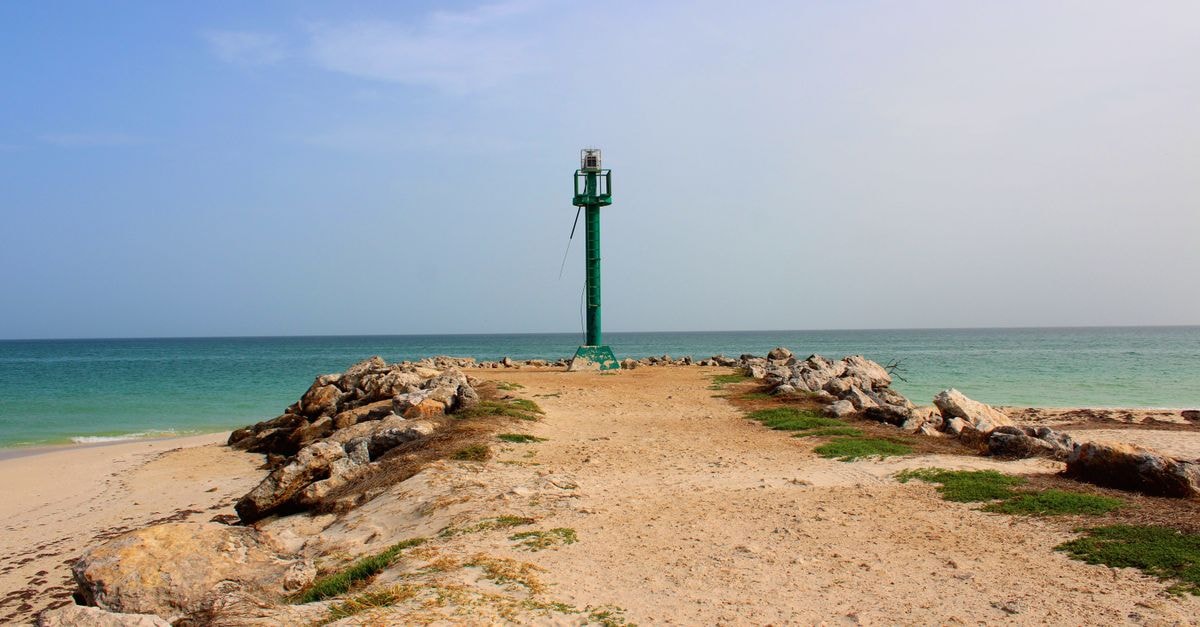
For visitors landing in Mauritania, Nouakchott often works best as a grounded introduction rather than a quick stopover. Giving the city a little more time than you initially planned tends to pay off: it reveals layers that aren't obvious from a car window or a hurried walk. The outskirts feel calm, wide, and easy to move through, which makes the capital feel more approachable than its size and reputation might suggest.
Settling into the rhythm of the city
If you have only a short window in Nouakchott, the most useful travel tip is to slow down on purpose. That might mean choosing a single neighbourhood to explore on foot rather than trying to cross the entire city in an afternoon. It might mean sitting with a glass of tea and watching people move through their day. The city rewards attention, and the more patient you are, the more you notice.
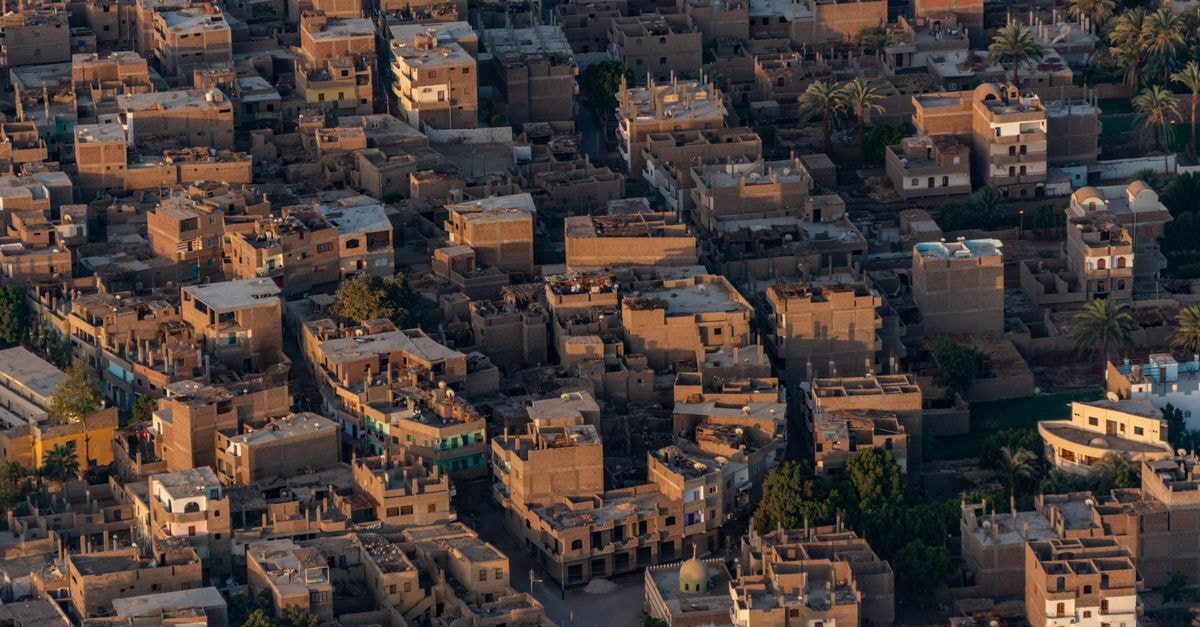
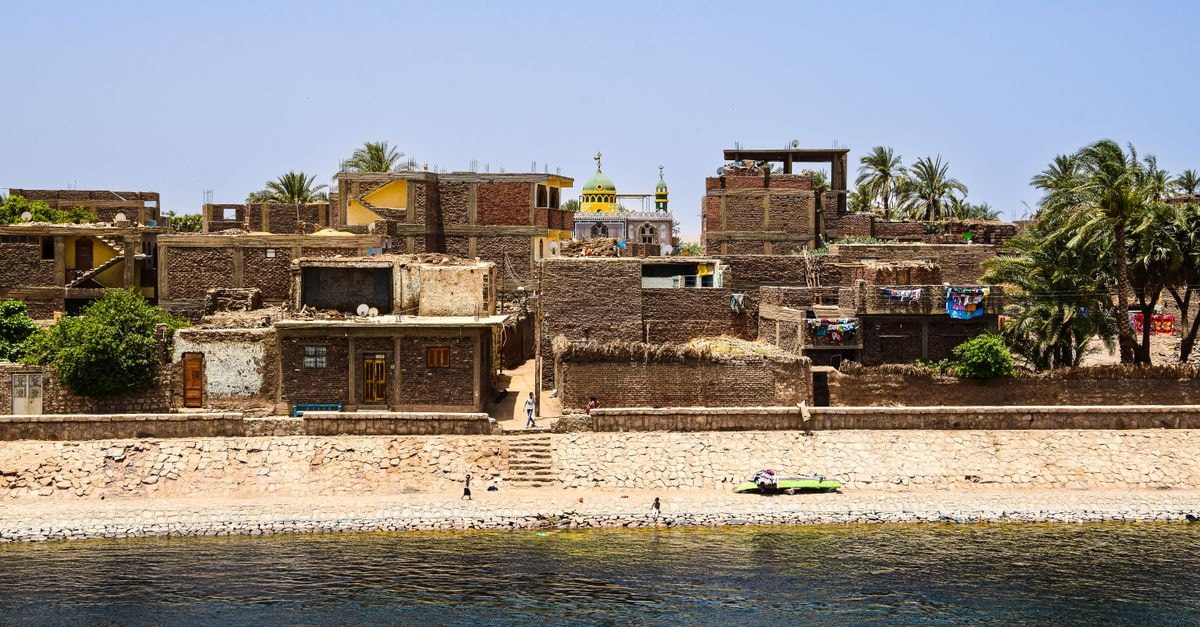
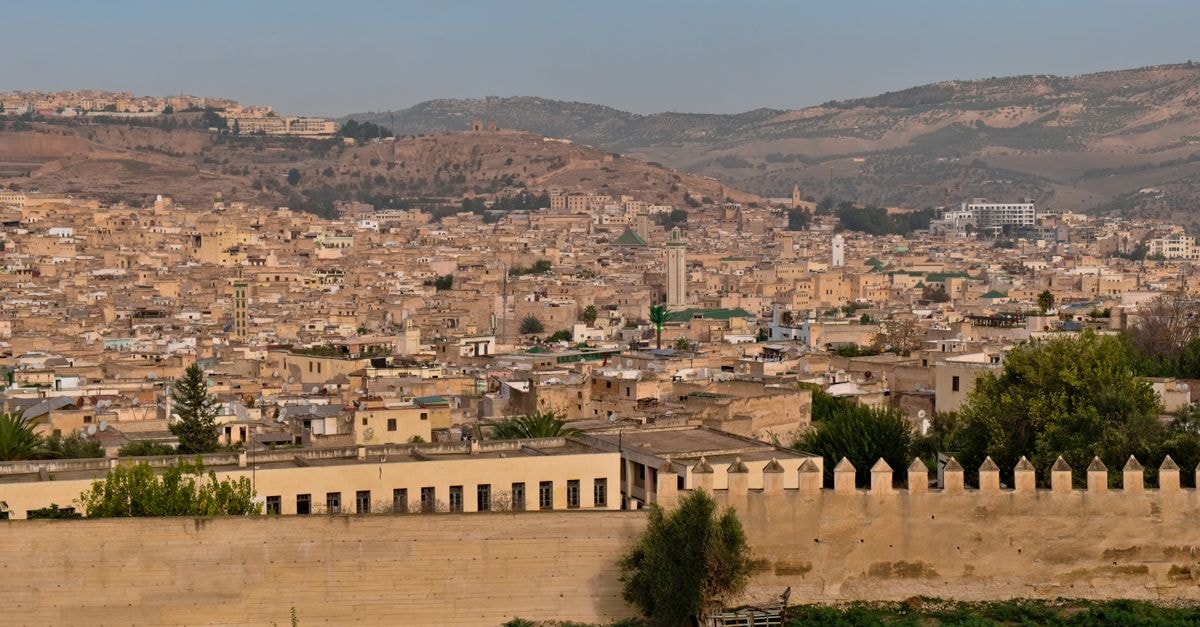
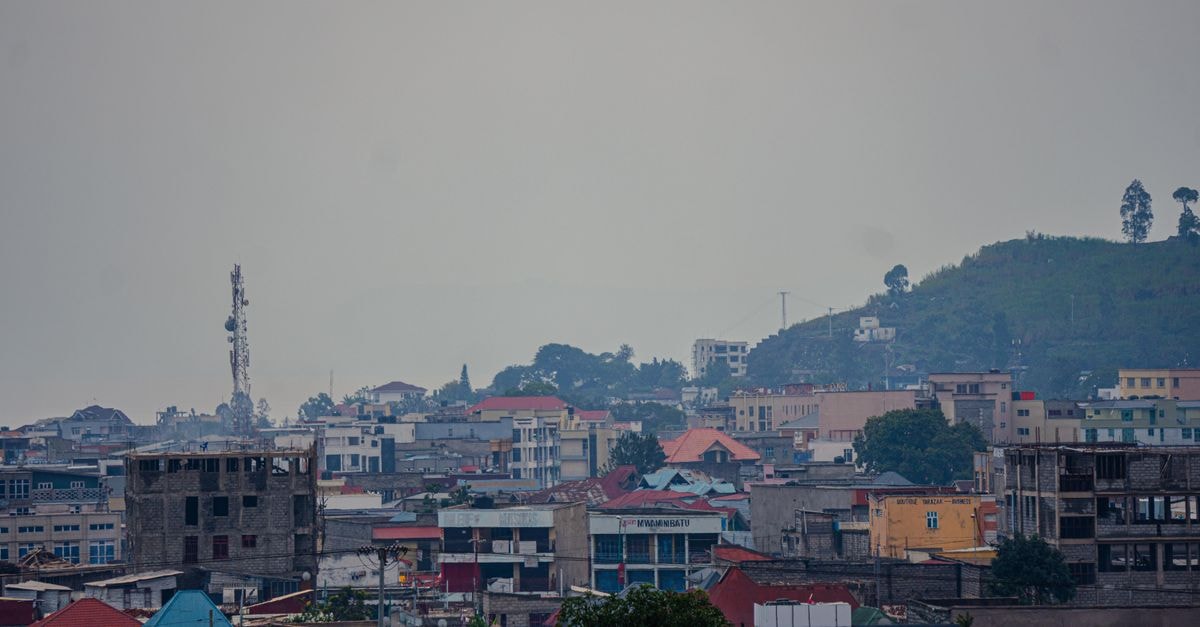
Light is one of the city's quiet signatures. The way Sahara light falls on buildings, sand, and faces gives even mundane scenes a cinematic quality, especially during the softer parts of the day. Photographers and casual phone-shooters alike tend to find that they come away with more striking images than they expected, simply because the setting does a lot of the work. This is also a place where a slow pace helps you read the city: who is moving where, what the markets are doing at different hours, and where the calm pockets sit between busier streets.
Getting around
Nouakchott's layout takes some getting used to, but it is more navigable than it first appears. The outskirts are calm, wide, and surprisingly easy to move around, which is reassuring if you are arriving without a fixed plan or a local contact. That spaciousness gives the city room to breathe, and it means you rarely feel hemmed in the way you might in denser African capitals.
Because Nouakchott serves as the country's economic hub, with a deepwater port and an international airport, transport infrastructure is oriented around practical movement rather than tourist circuits. Visitors tend to find that getting oriented is straightforward once they accept that the city is built for everyday life, not for sightseeing itineraries. Allow extra margin when moving between the airport, port area, and central districts, since the city unfolds in ways that reward patience.
A grounded first look at the city works well as a structured day tour if you prefer company, or as a self-led wander if you are comfortable with informal navigation. Either way, the city's scale and the calm of its outer areas mean you can take your time without feeling like you are missing out. Many visitors arrive expecting a stopover and end up wishing they had built in an extra day.
What a slow visit feels like
There is a particular satisfaction in a city like Nouakchott: it does not perform for visitors, and that lack of performance is part of its charm. The fish market at dawn, the unhurried tea ritual, the wide streets where light does most of the storytelling, these are the textures that make the capital memorable. Travellers who come with low expectations and genuine curiosity often leave with the strongest impressions, because the city meets you where you are.
If you are planning a wider journey through Mauritania, Nouakchott is a useful anchor. It is the place where you arrive, where the country's economy pulses, and where you can recalibrate before heading further afield. Even if you treat it as a transit point, giving it a little more time than a single night tends to change how you feel about the rest of the trip. The capital has a way of reframing what you thought you knew about West African travel.
A few practical notes before you go
A little preparation goes a long way in Nouakchott. Because the city is built around its port and airport, expect to move through functional, working neighbourhoods rather than a polished tourist core. That is part of why a slow visit works so well: you are seeing the city as it actually is.
Pack with comfort in mind. Light layers, sun protection, and comfortable shoes for walking on sandier surfaces will make a big difference, especially when you want to linger in a market or sit through a long, sociable tea. A small amount of local currency for small purchases is useful, though you should always check the current exchange rate before relying on any figure you may have seen elsewhere, as rates shift over time.
Finally, treat the city as you would any capital that is also a working hub. Patience, a relaxed schedule, and a willingness to follow the day's rhythm rather than impose your own will almost always lead to a richer visit.
A note on verification
Travel conditions, transport availability, and practical details in Nouakchott can change over time. The guidance above is based on durable character and structure rather than live schedules or prices. Before you travel, it is worth checking current travel advisories, transport options, and any entry requirements through official Mauritanian channels and your own government's travel information, so that your plans reflect the most up-to-date situation on the ground.
Prices, opening hours, schedules, reservation rules, and local conditions can change; verify them through official channels before departure.
Share this article
TOOLS FOR THIS PLAN
Make the Nouakchott plan measurable
Choose a tool only when it answers the next question in your trip. Your values stay in the browser, and each tool offers a route back to this planning context.