Arriving in N'Djamena, where two rivers meet

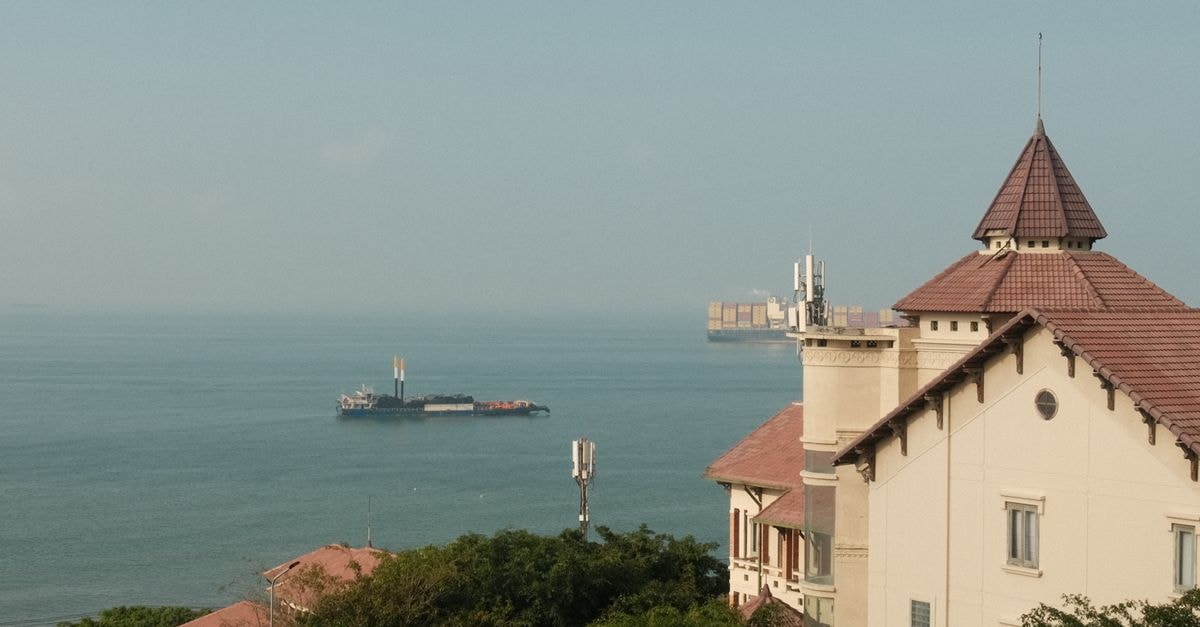
N'Djamena is Chad's largest city by a wide margin, a place of roughly a million people that sits at the confluence of the Chari and Logone rivers, looking across the water toward Cameroon. That river junction is the city's geographic anchor and the easiest way to picture it on a map before you arrive. It is also, in the most basic sense, the reason the city exists where it does: a crossing point that became a settlement, then a regional hub, then the political and economic center of the country.
This guide is written for the curious independent traveler who is still deciding whether N'Djamena belongs on their itinerary, or who has committed and wants to set expectations honestly. It is a short, deliberately grounded introduction rather than a checklist. The aim is to give you a sense of the city's shape and where you might comfortably stay, so the rest of your planning can begin from a realistic foundation.
Weather and seasonal context
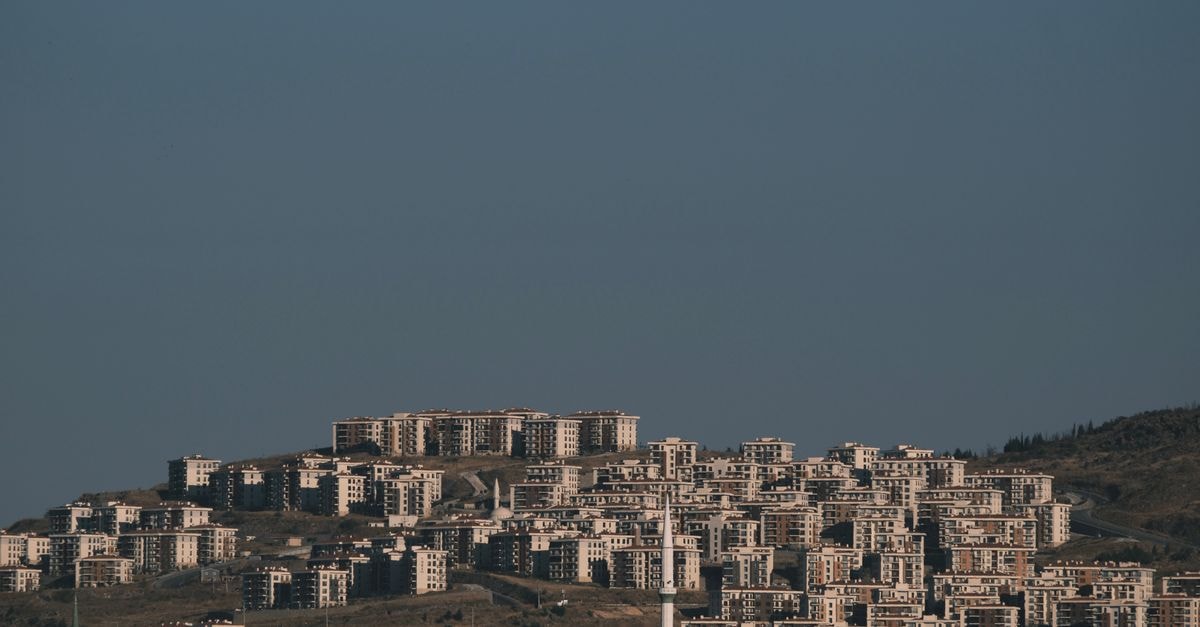
The river setting is not just decorative, either. The Chari and Logone shape how the city breathes, both visually and in terms of how neighborhoods relate to one another. Even a brief visit to the riverbank gives you a sense of orientation that a map alone cannot. The light in this part of the Sahel tends to be flat and bright, the horizon wide, and the streets stretch out in long, sun-bleached lines rather than the dense, layered geometry of older African capitals.
Where to stay and what to expect from accommodation
Accommodation in N'Djamena tends to be modest in scale and concentrated around a relatively small set of options, most of them catering to business travelers, aid workers, and the small but steady flow of independent visitors. Rather than the long, scrollable lists you might find for larger tourist capitals, expect to choose from a handful of properties and apartment-style stays. That smaller pool can actually make planning simpler once you accept it. Current listings include apartment-style accommodation that provides rooms within the city, with at least one such property offering outdoor seating among its amenities.
Attractions and planning
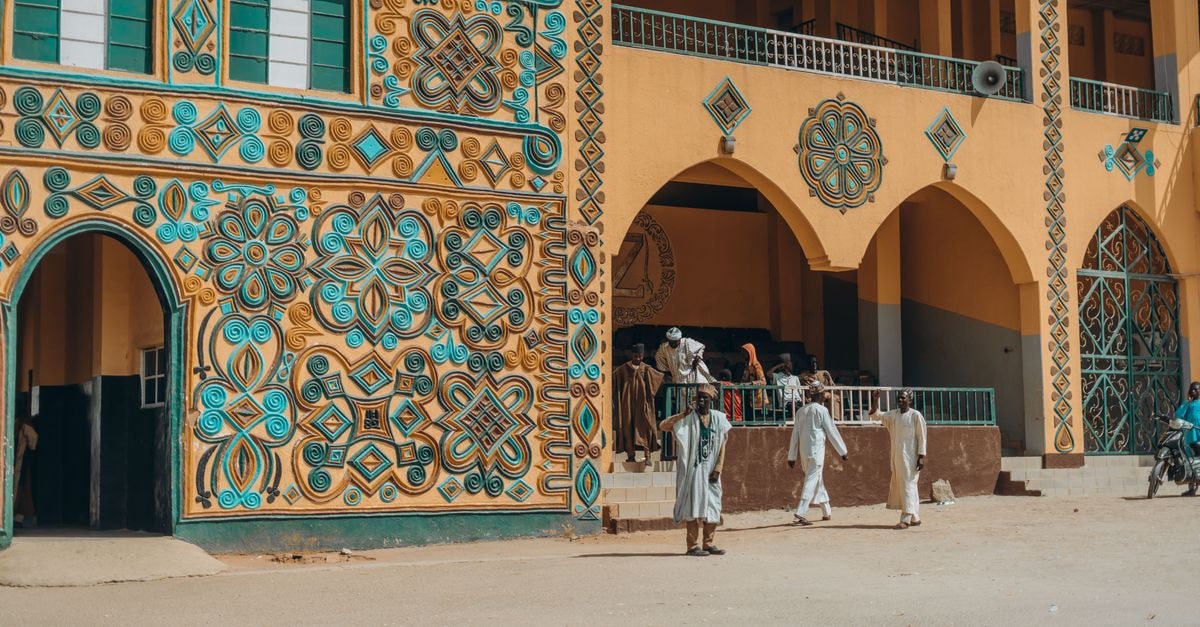
N'Djamena does not present itself as a city of ticketed attractions, and arriving with that expectation set will make the visit more enjoyable. The point of being here is less about a list of sights to check off and more about absorbing the atmosphere: the wide streets, the river crossings, the markets, the everyday choreography of a Sahel capital at work.
Treat the city as a base for its region rather than as a destination with a dense inner core of monuments. Visitors who enjoy N'Djamena most are usually those who have come to Chad with a purpose beyond tourism, whether that is work, research, family, or a broader overland journey, and who treat the capital as a place to settle in, learn the rhythm, and then move on. If your itinerary is built around that, the city rewards the time you give it.
A short, honest checklist before you go
Because this is an evergreen guide written without a specific month in mind, the most useful things to confirm closer to your trip are the ones that change: current visa requirements for your passport, the security and travel advisory posture for Chad from your government, the seasonal weather pattern for the weeks you will actually be there, and the availability and pricing of the specific accommodation you are considering. Local contacts, whether through work, family, or an established traveler network, are often the fastest source of the most current information.
Treat any travel information, including this guide, as a starting point rather than a final word. Conditions on the ground in N'Djamena can shift, and official advisories and embassy guidance should be checked before you travel. With that small amount of preparation, N'Djamena tends to surprise visitors in a good way: less choreographed than expected, more atmospheric than the headlines suggest, and shaped above all by the rivers that brought it into being.
Prices, opening hours, schedules, reservation rules, and local conditions can change; verify them through official channels before departure.
Share this article
TOOLS FOR THIS PLAN
Make the N'Djamena plan measurable
Choose a tool only when it answers the next question in your trip. Your values stay in the browser, and each tool offers a route back to this planning context.