A first look at Maracanaú

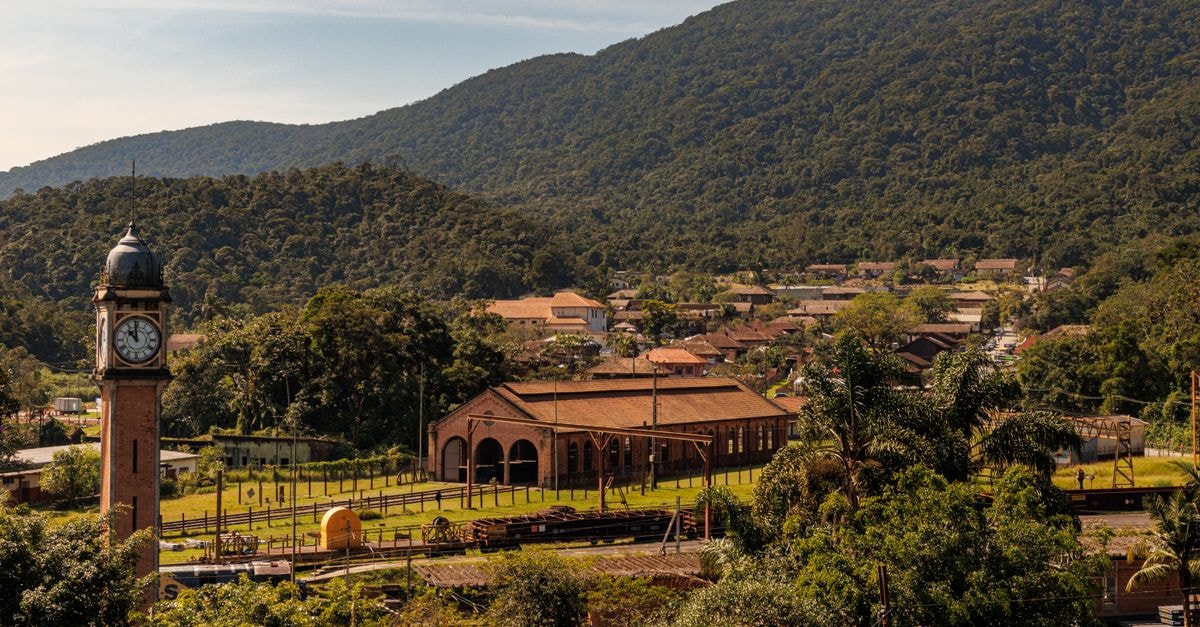
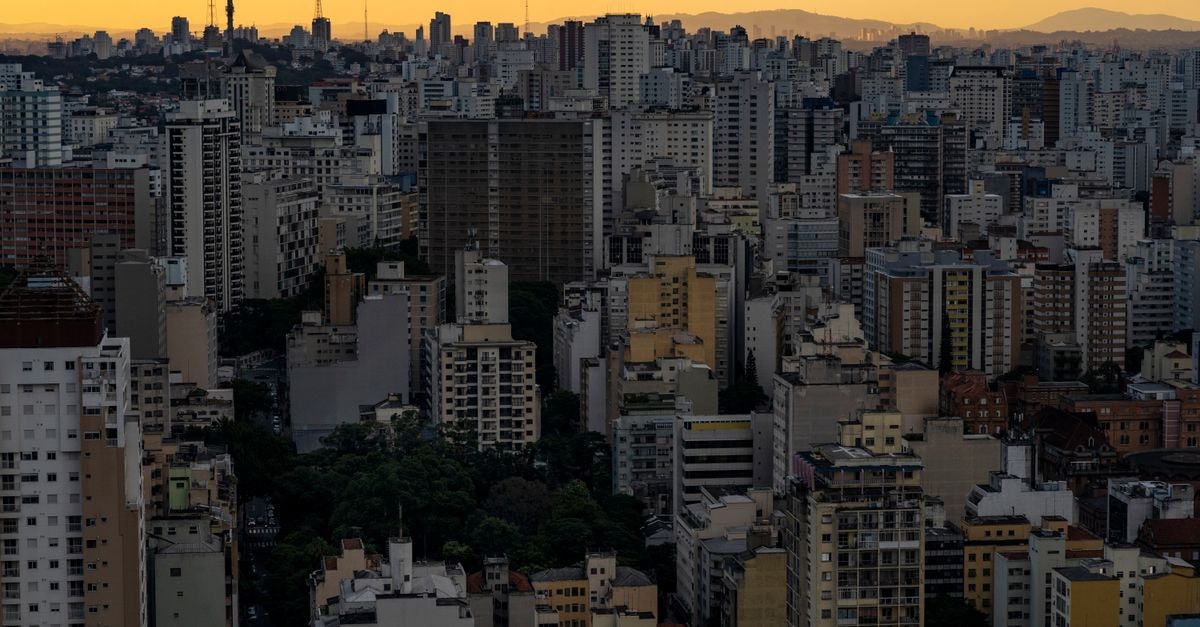
Maracanaú sits in the metropolitan shadow of Fortaleza as an industrial gateway from the state capital, and the city wears that dual personality easily. Travelers tend to find a working Brazilian city that still hosts local festivals, artisan fairs and regional forró nights, with Ceará's beaches and cultural events framed as the wider reason to be in the area (F1-1). That positioning shapes the whole rhythm of a visit: you might stay locally modest and reasonably priced, then use the city as a launchpad toward coastal Ceará. The name itself gives a small window into the past, coming from the Tupi language and meaning "the river where maracanas drink," referring to a species of parrot that once flocked along the local waterways (F3-2). Maracanaú was also historically part of the larger municipality of Maranguape for a long time, which helps explain why the area's cultural map still feels shared with its neighbor (F3-1).
For travelers who like the mix of everyday Brazilian city life and easy access to bigger-ticket experiences, that balance can be refreshing. If you prefer a destination where the sand is the front door and the resort is the headline, you may want to consider where you base yourself before booking.
Weather and seasonal context
Maracanaú sits in a tropical part of Ceará, so the rhythm of the year tends to be split between a wetter stretch and a drier stretch rather than four textbook seasons. The general window most often recommended for visiting the area runs during the dry season, which is typically framed as June to December, when rain tends to be lighter and outdoor plans are easier to keep (F6-2). Outside that window, conditions can feel more humid and rain can interrupt walks through parks or along busy avenues, which is worth factoring in if your itinerary leans heavily on public spaces (F6-1).
Day-to-day life here tends to drift outdoors. Daytime leisure in the city consists of sporting events and walks in public areas, so fair-weather afternoons can feel lively, with locals moving between shaded plazas, watching amateur matches and stretching the day into the early evening (F5-2). The city's broader reputation also plays up parks, greenery and views, with visitors rating those parts of the experience favorably alongside general livability (F4-1). If you travel during the wetter months, consider pacing outdoor plans earlier in the day when conditions typically feel calmer, and keeping a flexible afternoon for an indoor stop or a sheltered café if a shower rolls through.
The city also keeps a festival calendar that adds texture outside the weather question. Travelers curious about seasonal events can find references to a New Year's Eve beachside celebration as a high point, and a Feline Carnival in January that has drawn attention in local event descriptions (F4-1, F4-2). These kinds of events can shape the city's energy and hotel demand around those weeks, so if a festival appeals, it is worth checking dates and accommodation early.
Getting around and staying oriented
Maracanaú is best approached as part of the wider Fortaleza metro area, which makes getting in and out relatively straightforward. As an industrial gateway from Fortaleza, the city is used to a daily flow of commuters and travelers, and road connections into the larger urban region are the main way most visitors arrive and depart (F1-1). Within the city itself, central areas are generally safe for visitors during the day, while industrial zones can feel rougher after dark, so it makes sense to stick to the main, well-populated areas once the sun goes down (F1-2). That simple rule of thumb keeps most short stays easy.
Accommodation is largely clustered within a short radius of the center, which makes orientation easier for first-time visitors. One option that comes up in city listings is the Golden Tower Maracanaú by Fênix Hotéis, described in local travel resources as roughly 1 km from the city centre, which puts many basic services, plazas and transport links within easy reach (F2-2). For trip planning, it helps to personalize your own short itinerary around the city rather than following a fixed route, because the mix of industrial, residential and leisure spaces means a rigid plan often runs into traffic or unexpected detours (F2-1). If you like a structured day, consider sketching a flexible skeleton — a morning in the central area, an afternoon near a park, an evening forró — and adjusting based on how the city feels when you arrive.
For travelers who want to combine a Maracanaú stay with Ceará's beaches and cultural events, using the city as a base is the most common pattern. The trade-off is that you trade beachfront convenience for proximity to a working city, so if your priority is waking up to the sound of the surf, you may want to reconsider the base and use Maracanaú for a day or two instead of a whole week.
Food and local context
It is helpful to think of Maracanaú's food scene as part of the wider Brazilian table rather than a standalone culinary destination, because the city sits inside a much larger national food culture. Brazil's flavors are widely described as a vibrant mix of tradition and innovation, and that sense of evolution carries through everyday menus across the country, including the Northeast (F8-1). For visitors, that means you can approach meals here without expecting one signature dish to define the trip, and instead lean into the variety that regional cooking offers.
One dish that travelers often encounter in Brazilian dining contexts is Moqueca de Camarão, a shrimp moqueca that is described as a treasure of Bahian cuisine and very popular in Brazil (F8-2). Moqueca is the kind of slow-cooked stew that turns up in seafood-focused restaurants in many coastal cities, and it can be a rewarding introduction to the country's regional cooking if you see it on a local chalkboard during your stay. Beyond that single well-known dish, the broader Brazilian food scene also includes a strong street-food tradition, with regional snacks and grilled specialties appearing in markets and at roadside stalls across the country (F7-2). What you specifically find in any given neighborhood of Maracanaú will vary, so it is reasonable to ask locally for current recommendations rather than assume any one venue or specialty is operating.
For travelers who like food as a soft thread through a trip rather than the headline, this is comfortable territory. If you are the kind of visitor who wants every meal mapped to a famous restaurant in advance, you may find that the city rewards a more relaxed approach, with a mix of familiar Brazilian staples and whatever the neighborhood offers on the day.
Picking what fits your style
A few grounded tradeoffs can help you decide how to use Maracanaú. If your priority is festival energy and forró nights, anchoring an evening or two in the city and sleeping near the centre — for example within walking distance of a centrally located hotel such as the Golden Tower Maracanaú by Fênix Hotéis — keeps things simple. If your priority is beach mornings and surf, consider using Maracanaú as a one- or two-day stop and basing the rest of your stay closer to the coast, since the city is described as a gateway rather than a beach town (F1-1). Travelers who prefer to slow down in parks and greenery may find the city's outdoor public areas a satisfying daytime anchor, with sporting events and walks in public areas giving the daytime its rhythm (F5-2). Finally, if you travel outside the typical dry-season window from June to December, plan more flexible days so rain does not derail outdoor plans (F6-2).
Before you go
Factual travel conditions can change over time, including transport links, accommodation availability, festival dates, weather patterns and neighborhood character, so it is worth checking official channels and current local guidance before you finalize plans. The picture above is meant as a grounded starting point rather than a live confirmation, and a little local research on the ground can fill in the details that no guide can promise in advance.
Share this article
TOOLS FOR THIS PLAN
Make the Maracanau plan measurable
Choose a tool only when it answers the next question in your trip. Your values stay in the browser, and each tool offers a route back to this planning context.