A first look at Rondonópolis

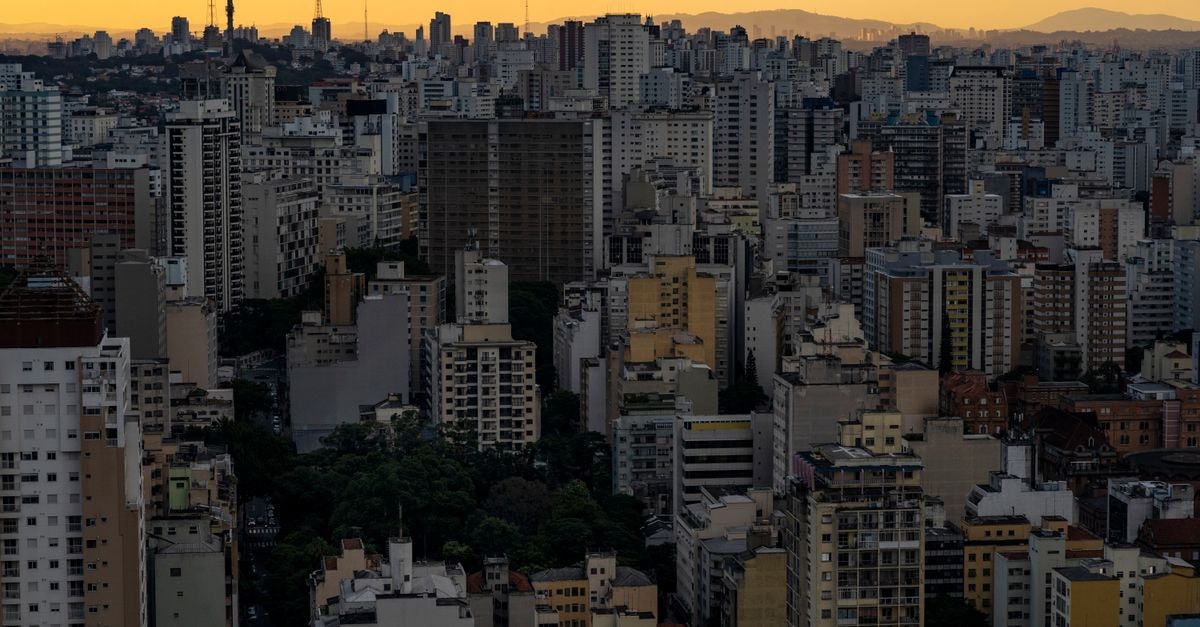
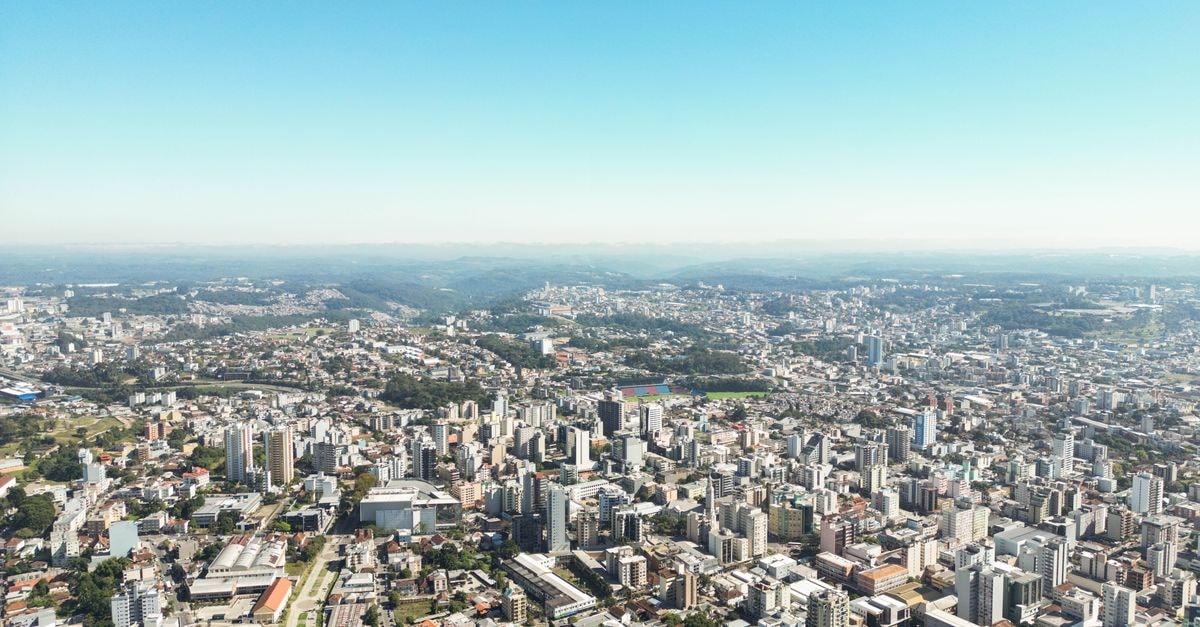
Rondonópolis sits in the state of Mato Grosso, a stretch of inland Brazil shaped by rivers, farms, and the steady hum of agribusiness. Once known as Rio Vermelho, or Red River, the city is the third-largest municipality in Mato Grosso, a fact that hints at how widely its footprint stretches across the surrounding countryside. Travelers tend to arrive with one of two mindsets: passing through on a longer Mato Grosso route, or settling in for a few unhurried days to get a feel for life away from the coastal tourist circuit.
Either approach works. Rondonópolis is less about bucket-list landmarks and more about the texture of a working Brazilian city, where cattle pastures and soybean fields begin almost at the edge of town. If your travel style leans toward conversations over coffee, regional food, and the kind of places where the local economy is the main attraction, this is a corner of Brazil worth slowing down for.
Weather and seasonal context
Rondonópolis has a tropical climate, and that shapes how a day here tends to unfold. Rainfall is part of the rhythm, so packing a light rain jacket is a sensible move, even on mornings that look deceptively clear. Showers tend to be short but heavy rather than persistent drizzle, which is useful to know when planning a walkabout. A sudden downpour is common; a long gray stretch of rain is less so.
For travelers, that pattern usually means planning around the weather rather than against it. Late mornings and early evenings are often the most comfortable windows for being out and about, while the heart of the afternoon can feel heavy and humid. If you prefer photography or slow wandering, the softer light after a passing shower has its own appeal. Travelers who dislike humidity or who want to minimize weather disruptions may want to build flexibility into their day, keeping indoor options in reserve for the more intense hours.
Because conditions can shift quickly, it is always worth checking the local forecast close to your arrival, especially during the warmer stretch of the year when temperatures tend to run high.
Getting around
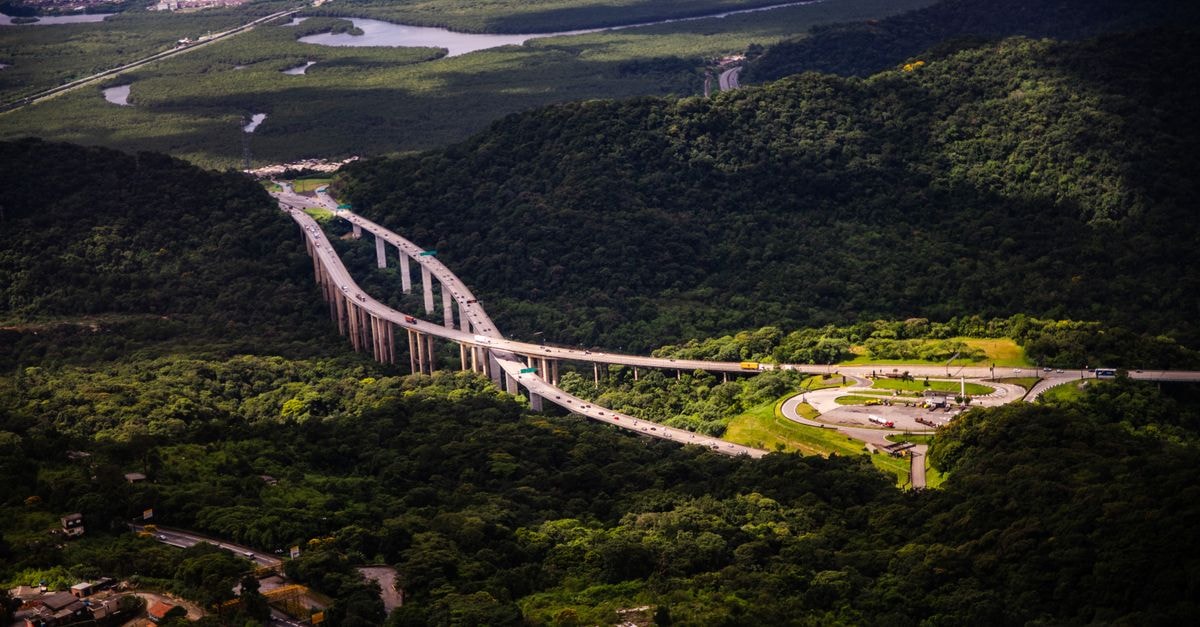
Rondonópolis is often described as a gateway to the wider region, a hub for the agricultural economy that surrounds it and a natural pause point for travelers moving deeper into Mato Grosso. That gateway role means the city is well connected by road, and visitors tend to rely on ground transport rather than internal flights.
The road network links the city to the rural landscapes and smaller communities beyond it, and the city's energy reflects that relationship. If you are planning to explore the surrounding countryside, arranging a private driver or a guided transfer is usually the most comfortable option, as public transit is geared more toward local routines than tourist sightseeing. Within the city itself, short distances make taxi rides and ride-hailing services a practical way to move between the main points of interest without much hassle.
A few timing notes can save frustration. Large local events can put real pressure on hotels and traffic, and a regional motorcycle festival held in the city has previously drawn tens of thousands of attendees with support from a state legislative amendment by deputy Ondanir Bortolini (Nininho). If your travel dates happen to overlap with a major festival or holiday, booking accommodation early and allowing extra travel time between stops is a small step that pays off.
Attractions and planning
Rondonópolis is not a city of blockbuster sights, and that is part of its charm for travelers who enjoy reading a place through its everyday details. The historical Casario is a good starting point, an ensemble of older buildings whose first house dates to 1930, with further construction through the 1950s and 1960s. Walking through the area gives a sense of how the city grew with the surrounding agricultural economy, and it pairs naturally with a slow afternoon, a stop for coffee, and a few photos of the older facades.
Planning here works best with a low-pressure approach. Rather than trying to tick off a long list, it makes more sense to choose a handful of anchors, such as the Casario, a local market, and a leisurely meal, and to leave space between them. The pace suits travelers who like to absorb a place through conversation and observation rather than a packed schedule.
One thing worth keeping in mind: because Rondonópolis is a working city rather than a polished tourism hub, English-language information on specific opening hours, ticket prices, or guided tours is limited. If a particular site is important to your trip, checking with your hotel or a local contact before heading out is a reliable habit.
Food and local context
Food in Rondonópolis leans simple, hearty, and generous, the kind of cooking that reflects the rhythms of a city shaped by farm work and long days. Local dishes tend to be unfussy but deeply flavored, built around rice, beans, meat, and the kind of slow-cooked comfort that travels well after a morning of exploring.
Among the dishes that often come up in conversation is Arroz Carreteiro, a traditional rice preparation rooted in the culture of the region's cart drivers, or carreteiros. It is the sort of plate that tells you something about the place it comes from: practical, filling, and meant to be shared. For travelers, it is a good entry point into the local table, and you will find variations of it in casual restaurants and family-run spots around the city.
It also helps to know a little about Brazilian food culture more broadly, since Rondonópolis sits within that larger tradition. Meals tend to be social, and lunch is often the main event of the day, with dinner arriving later and more lightly. If you are used to eating on a Northern European or North American schedule, adjusting your meal times can make a real difference in how you experience the city. Brazilian dining is generally relaxed about pacing, and it is common to linger, especially on weekends.
A few practical notes: portion sizes are usually generous, and many restaurants offer a prato feito, a set lunch plate that combines a protein with sides and is typically the best value of the day. Vegetarian and vegan options exist but are less common in traditional spots, so it is worth asking rather than assuming. For travelers with dietary preferences, a quick check of the menu online, or a message to the restaurant in advance, can save time once you arrive.
Choosing what fits your trip
Rondonópolis rewards a particular kind of traveler, and knowing that before you arrive helps shape a more satisfying visit. If your interests lean toward regional cuisine, agricultural heritage, and the everyday life of inland Brazil, the city offers a welcome contrast to the more heavily touristed corners of the country. If you are looking for polished museums, a dense cluster of monuments, or a nightlife-driven scene, you may find the pace quieter than expected.
The tradeoffs are real but reasonable. The same unhurried rhythm that makes the Casario and a plate of Arroz Carreteiro feel like a discovery can also mean fewer English-language services and less tourist infrastructure. Travelers who enjoy flexibility, who are comfortable with simple translation tools, and who do not mind planning a few logistics in advance will likely find the city easy to navigate. Those who prefer every detail pre-arranged with minimal on-the-ground decision-making may want to build a little more buffer into their schedule.
In the end, Rondonópolis is the kind of place that gives back what you bring to it. Come with curiosity about inland Brazil, an appetite for hearty food, and a willingness to let the weather shape your day, and the city tends to open up in small, memorable ways.
A note before you go
Travel conditions, including weather, transport links, opening hours, and event schedules, can change. It is always a good idea to confirm details with official channels, your accommodation, or a local contact close to your travel dates, so that your plans reflect the most current information available.
Verification questions worth a quick check: Are any large festivals or public holidays scheduled during your stay, and how might they affect transport and lodging? What is the current weather forecast for the days you will be in Rondonópolis, and how might it shape your daily plans?
Share this article
TOOLS FOR THIS PLAN
Make the Rondonópolis plan measurable
Choose a tool only when it answers the next question in your trip. Your values stay in the browser, and each tool offers a route back to this planning context.