A slow-discovery take on Matagalpa

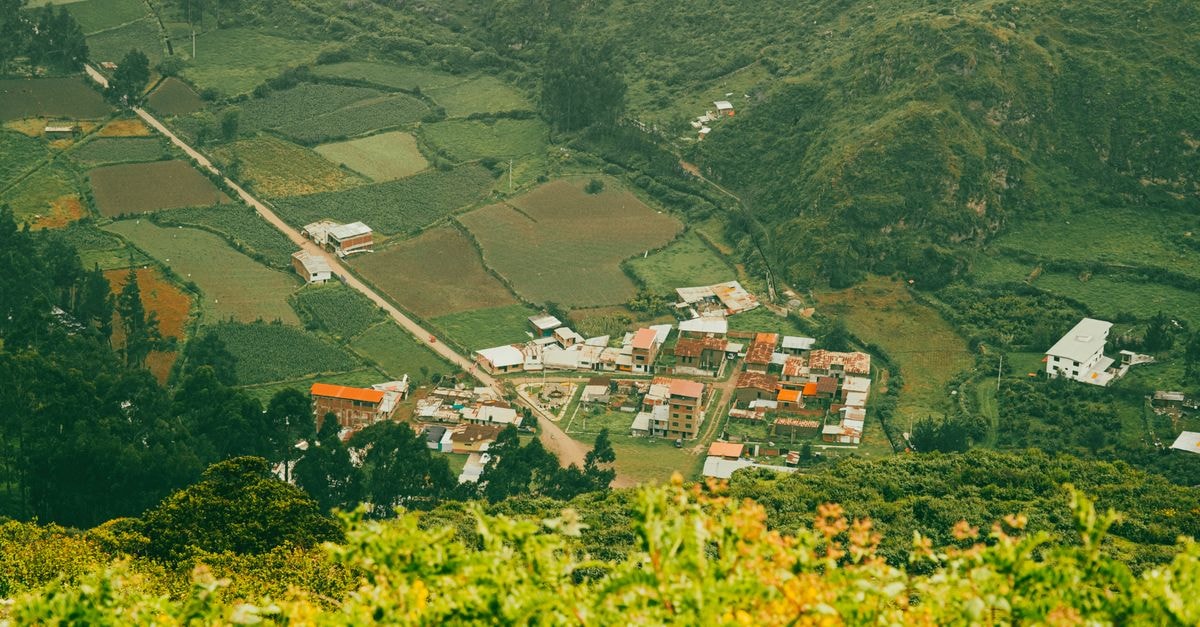
Matagalpa sits in the northern highlands of Nicaragua, a working regional capital that pulls travelers away from the Pacific coast and into a softer, greener rhythm. The city has long been described as the gateway to the country's mountain region, a base for reaching the coffee and cattle country that surrounds it, and a window onto the quieter legacy of German immigrants who once farmed and built in these hills. That mix of working farms, mountain scenery, and a small-town civic feel is what makes Matagalpa feel different from Nicaragua's beach circuits, and it rewards visitors who come prepared to slow down, look around, and listen.
For independent travelers, coffee-curious foodies, and anyone who prefers altitude to ocean, Matagalpa offers a genuinely Nicaraguan experience that doesn't depend on surfboards or nightlife to make its case.
Mountain weather and seasonal context
Because Matagalpa sits in the Nicaraguan mountain region rather than on the lowland coast, the city reads as a cooler, greener counterpoint to places like Granada or León. Travel guides consistently position it as a destination for travelers who specifically want to be in the highlands, and Wikivoyage's coverage treats it as a base for hiking and farm visits rather than a flatland stopover. That higher-elevation feel is part of the appeal: mornings can feel crisp, afternoons can build into short showers, and the landscape around town stays lush for much of the year.
Rather than chasing a single perfect month, treat Matagalpa as an evergreen mountain destination. If you prefer gentler walking conditions and clearer farm visits, pacing the day around the cooler hours and planning heavier sightseeing for the morning tends to work well. Layering a light jacket or sweater is a small habit that pays off in the evening, no matter when you visit, simply because the altitude is part of the city's identity.
Local festivals and events do come and go through the year, so it's worth checking current community calendars closer to your visit for anything tied to patron saint days, coffee harvest celebrations, or regional fairs that may overlap with your stay.
Getting around and connecting from León
Matagalpa is well connected by road to other Nicaraguan cities, with bus service forming the backbone of how most independent travelers arrive. From León, there are two daily bus services heading into Matagalpa, and the return route runs on a straightforward twice-daily rhythm, with departures from Matagalpa to León at 6am and 3pm. That pair of departures is genuinely useful to know in advance: it means an early start lets you use Matagalpa as a base for the day before moving on, while the afternoon run suits travelers who want a slower morning and an evening arrival on the Pacific side.
Inside the city itself, getting around is generally easy on foot for the central area, with taxis and local buses handling longer hops out to trailheads, farms, and viewpoints. If you're planning day visits to coffee fincas or nature spots in the surrounding hills, ask locally about current transport options the night before, since rural connections don't always follow the same twice-a-day pattern as the León route.
Attractions and how to plan your time
Matagalpa's attractions lean toward nature, learning, and the surrounding countryside rather than dense urban sightseeing. Among the most consistently mentioned points of interest is La Cascada de la Luna, a waterfall that draws visitors looking for a half-day or full-day outing into the greener hills around the city. The area is also home to the Escuela de Español Colibrí, a Spanish-language school that tends to appeal to travelers interested in combining lessons with a longer stay, which makes the surrounding countryside feel more approachable when you have a few weeks rather than a few days.
Planning around Matagalpa works best when you accept that the city is a base, not a checklist. One or two full days lets you get a feel for the central streets, sample the local food scene, and arrange a guided visit to a nearby coffee farm or a hike to a waterfall. Three to five days opens up time for a Spanish course, a slower exploration of the rural landscape, and a chance to talk to local guides about German-immigrant history and the region's agricultural rhythms. If you only have a long weekend, focus on the immediate surroundings rather than trying to cover too much ground, and treat the city itself as a place to settle in rather than race through.
The Wikivoyage outline also lists trekking as a distinct activity, which confirms that hiking is part of the standard visitor experience here rather than an optional add-on. Bring sturdy footwear, even for short walks, because trails in this part of Nicaragua can be muddy after rain.
Food and wider Nicaraguan context
Matagalpa itself has a working food scene built around regional Nicaraguan staples, and the wider country context is worth understanding before you arrive. Nicaraguan cuisine draws on a long cultural heritage, blending Indigenous, Spanish, and Caribbean influences into dishes you'll encounter across the country, and that variety tends to show up in different forms depending on which region you're traveling through. In a mountain city like Matagalpa, expect heartier plates built around beans, rice, corn, beef, and locally grown coffee, with regional variations that reflect the surrounding cattle and coffee country rather than the seafood traditions of the coast.
As you travel through Nicaragua more broadly, the country's food culture is often described as one of the most distinctive in Central America, with regional dishes shaped by geography and local ingredients. That nationwide context is useful framing: it explains why menus in Matagalpa feel different from menus in Granada or on the Corn Islands, even though many of the underlying ingredients are familiar. Visitors who enjoy trying regional variations of a national cuisine will find Matagalpa a rewarding place to eat, simply because the mountain setting shapes what's on the plate.
Beyond the food itself, Nicaragua is widely seen as a destination that delivers authentic experiences at accessible prices for independent travelers, from surfing towns to cloud forests. That wider reputation helps explain why Matagalpa fits into so many routes: it's part of a country where slow, locally rooted travel is genuinely affordable, and where the highlands offer a counterpoint to the more famous coastal experiences.
Choosing what fits your trip
A few honest tradeoffs are worth thinking through before you commit to Matagalpa as a destination. If your priority is beach time, surfing, or a dense concentration of colonial architecture, you'll find those experiences more concentrated elsewhere in Nicaragua, and Matagalpa may feel like an extra stop rather than a highlight. If, on the other hand, you're drawn to coffee culture, mountain scenery, Spanish immersion, hiking, or a slower base for exploring the northern highlands, Matagalpa is likely to be one of the more rewarding stops on a longer Nicaraguan itinerary.
Travelers who like pairing a small city with day hikes, farm visits, and a chance to learn a bit of the language will probably find the rhythm here especially comfortable. Travelers who prefer flat, walkable cities with a heavy museum circuit may want to keep Matagalpa as a two- or three-night detour rather than a central stop. Either way, treating the city as a base for the surrounding countryside, rather than as a destination in isolation, tends to produce a better trip.
A note before you go
Travel conditions in Nicaragua can change, including bus schedules, road access to rural areas, and the operating status of specific farms, schools, and tour operators. Before you travel, check current information through official tourism channels and recent traveler reports, and confirm any bookings directly with providers. Exchange rates and prices fluctuate, so treat any figures you encounter as reference points rather than guarantees. With a little preparation, Matagalpa rewards the kind of traveler who arrives curious and leaves unhurried.
Prices, opening hours, schedules, reservation rules, and local conditions can change; verify them through official channels before departure.
Share this article
TOOLS FOR THIS PLAN
Make the Matagalpa plan measurable
Choose a tool only when it answers the next question in your trip. Your values stay in the browser, and each tool offers a route back to this planning context.