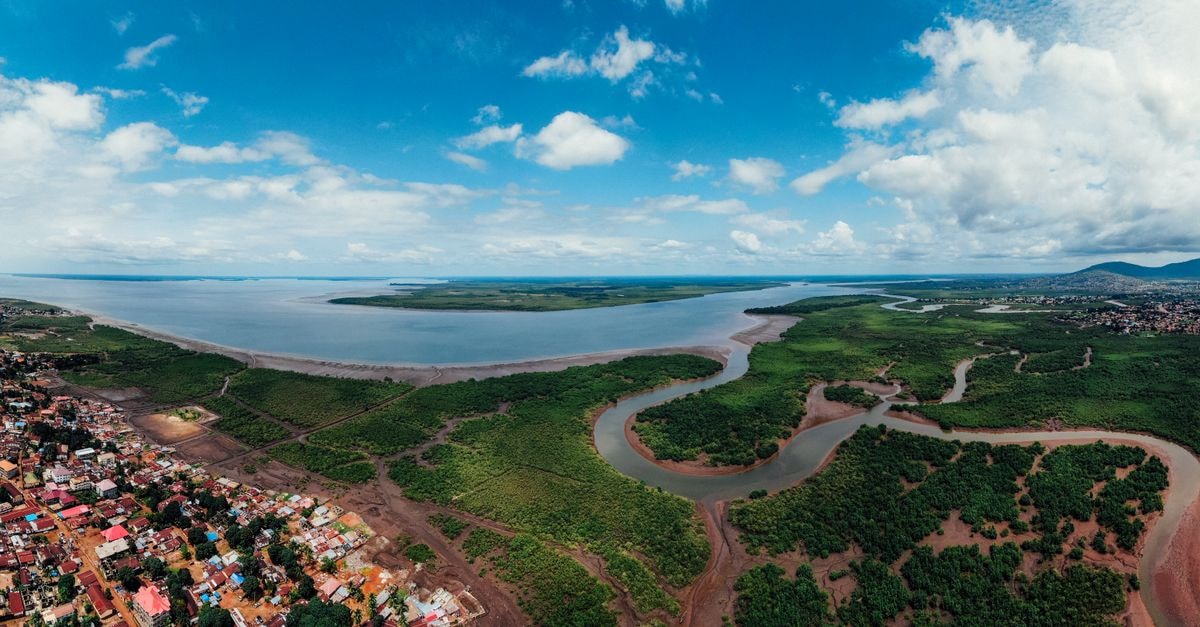
A river city at the heart of the Congo Basin

Mbandaka sits at a quiet confluence of waterways, where the Congo River spreads wide and the city's rhythm is set less by traffic than by what is moving on the water. For travelers who find a city through its transport rhythms rather than its monuments, Mbandaka is the kind of place that announces itself through arrivals and departures, by the slap of water against hulls and the smell of diesel drifting up from the quay.
The city is also the primary gateway for travelers flying in, the place where long overland journeys across the basin tend to either begin or end. That dual role, an air gateway and a river port, shapes how visitors experience it. You arrive, you watch the river, and then you decide whether to keep moving or to linger a while along its banks.
The slow boat to Mbandaka
The most evocative way to understand Mbandaka before you even step onto its quay is to arrive the way the river itself suggests. Slow boats leave Kinshasa's "Beach" port each Friday evening, the timing itself part of the rhythm you are agreeing to when you buy a ticket. The journey takes two nights, with passengers bedding down on rice sacks while the Congo rolls past, a stretch of water that announces itself through diesel fumes and the warm perfume of frying plantain drifting up from somewhere in the hold.
The arrival is its own small ceremony. The boat docks at Mbandaka quay at sunrise, which means the city first appears as a pale line on the water that slowly resolves into roofs, palms, and figures waiting along the bank. For travelers who treat the route as part of the destination rather than a transfer between two cities, the Friday departure and the dawn arrival become the spine of the whole trip.
This kind of arrival suits visitors who like long, unhurried transitions and who are comfortable with the practical realities of overnight river travel, including sleeping arrangements that are part of the experience rather than a polished service. If you prefer to be at your destination quickly and in private comfort, the river route may feel less like an adventure and more like an inconvenience, and the fly-in option exists for that preference.
Weather and seasonal context
Mbandaka lies in the equatorial Congo Basin, and the city's climate shapes how a day on the river or in the streets actually feels. Because the region sits near the equator, conditions tend toward warmth and humidity throughout the year, with rainfall patterns more important to plan around than dramatic temperature swings. The ledger for this guide does not include specific temperature readings, so anything beyond this broad pattern would be an assumption, and the guide deliberately stops here.
The slow boat itself offers a small lesson in pacing for the climate. Two nights on the water, dawn arrival, and then a city that is just waking up; that rhythm naturally softens the heat of midday because the hottest hours often arrive after you have already found shade, settled in, and decided whether to walk along the quay or rest. Travelers who prefer to be active in the cooler parts of the day may find that anchoring movement to river arrivals and early mornings works well in this climate, while midday is better spent watching the water than walking it.
Food and local context
The flavors that travelers are likely to notice in Mbandaka belong to a wider Congolese food culture that stretches across the country, and a few of its signatures are worth recognizing before you sit down to eat anywhere along the river.
Across the Democratic Republic of the Congo, the kitchen has a recognizable backbone. The country tastes like plantain smoke and palm oil heat, a combination that tends to define both street stalls and family meals. Fufu, also known as ugali, is the starchy foundation that appears beside many savory dishes, a dense, filling staple that anchors a plate and turns sauces and stews into a complete meal. Recognizing these two elements, the smoky sweetness of plantain and the heavy comfort of fufu, gives visitors a way to read menus shaped by this national culinary vocabulary wherever they encounter it in the country.
Cuisine in the Democratic Republic of the Congo varies widely, representing the food of indigenous people across many regions and river systems. That variety is itself part of the experience: dishes shift as you move along the river, and what is served in Mbandaka may carry its own local accents even when it shares a national vocabulary with Kinshasa or the eastern cities.
For travelers with specific interests, the food scene rewards attention to texture and accompaniment as much as to named dishes. If you prefer meals built around a single starchy staple with a sauce or stew, the fufu-centered pattern described in the national cuisine will feel familiar quickly.
What the ledger does not cover
This guide is intentionally narrow. It does not list specific restaurants, markets, or guesthouses in Mbandaka, because the approved evidence does not support those names, and inventing them would undermine the whole point of traveling with verified information. It also does not recommend day trips, nearby destinations, or a fixed itinerary, because the source material focuses on the journey in and the city's relationship to the river rather than to surrounding attractions.
Visitors who want a fuller picture of dining options, lodging, or excursions will need to look beyond this overview and confirm those details directly before booking or setting out.
Before you go
River schedules, air connections, and on-the-ground services in the Congo Basin can shift, sometimes with little advance notice. Treat any plan as a starting point rather than a fixed arrangement, and check current conditions through official channels and locally trusted contacts close to your departure date. Factual travel details, including transport timetables and service availability, can change, so a final verification step before you travel is the most reliable safeguard.
Share this article
TOOLS FOR THIS PLAN
Make the Mbandaka plan measurable
Choose a tool only when it answers the next question in your trip. Your values stay in the browser, and each tool offers a route back to this planning context.