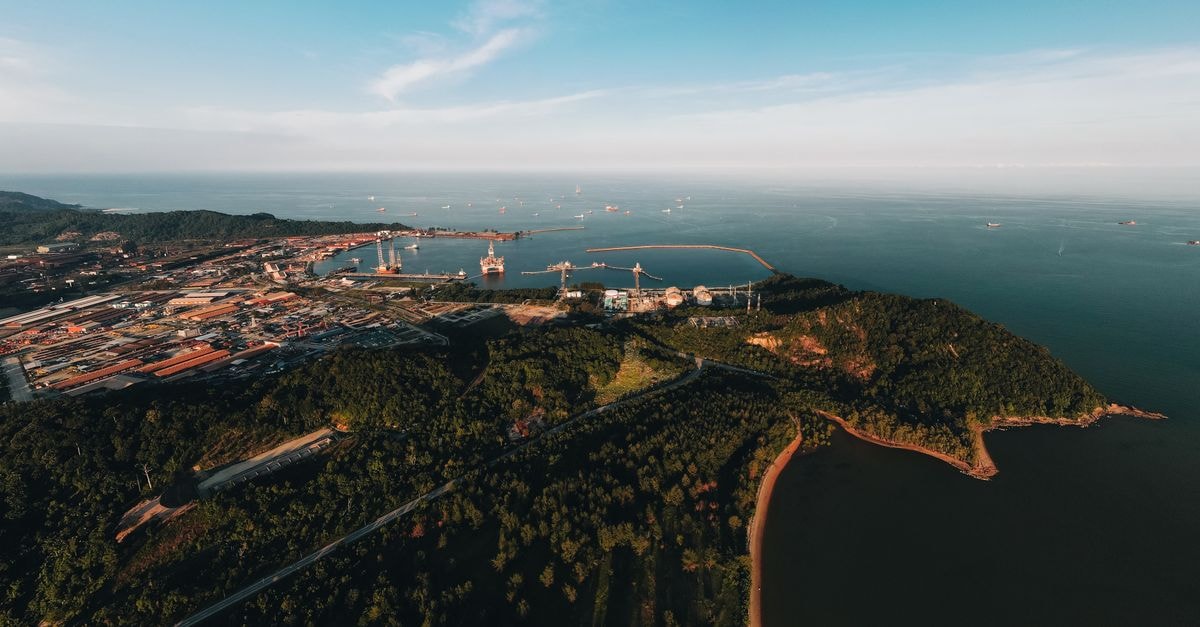
A city where rainforest meets the sea
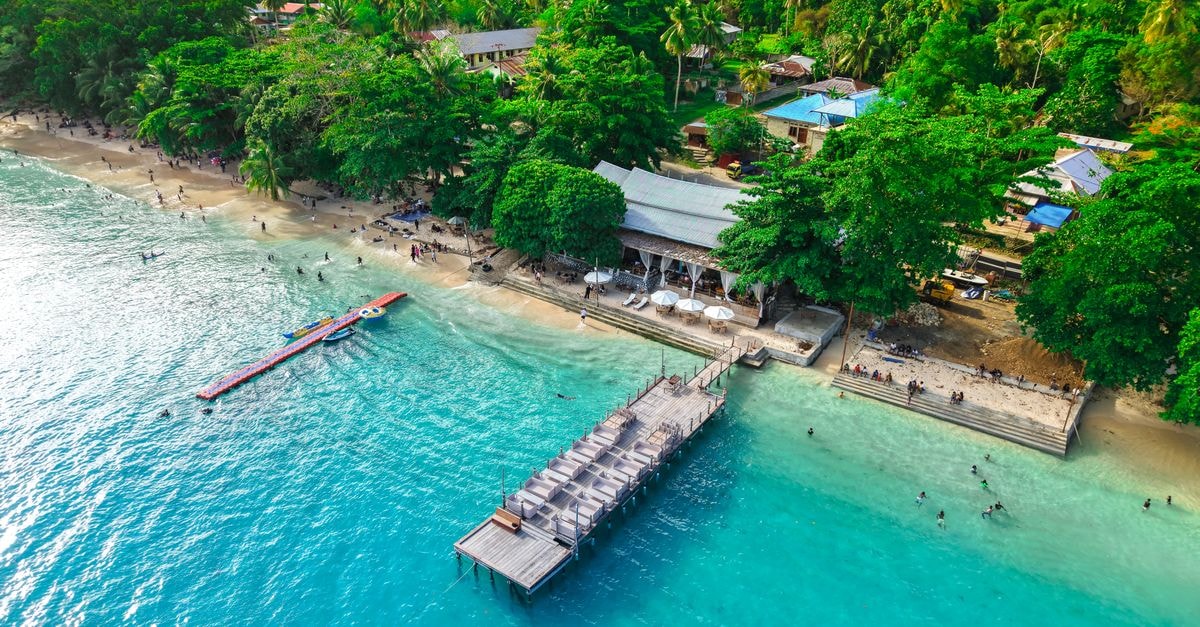
Manokwari sits quietly on the northern coast of West Papua, a small Indonesian city whose setting does most of the talking. Dense rainforest rolls down to clear coastal water, and the atmosphere that travelers tend to remember is the contrast between the two. The appeal here is unhurried and exploratory rather than urban or polished, which suits visitors who arrive with curiosity and patience rather than a packed checklist.
If you are the kind of traveler who finds a city more interesting because it has not been smoothed into a postcard, Manokwari tends to reward the visit. The combination of a tropical environment, a working harbor, and a strong sense of place gives the city an unhurried character that is increasingly rare across Indonesia's better-known stops.
Nature, views, and the rhythm of the coast
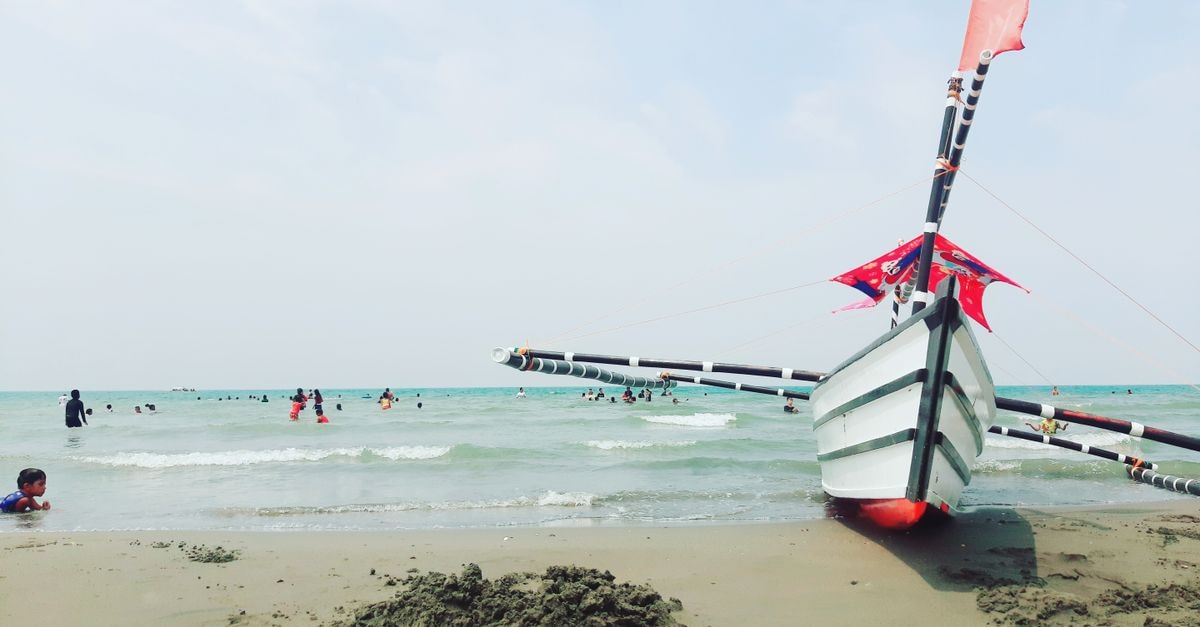
The first thing most visitors notice is how close the green feels. The area around Manokwari is shaped by dense rainforest pressing against clear coastal water, a pairing that gives the region an explorer-friendly atmosphere far removed from the crowds of Indonesia's larger tourism hubs. Travelers who arrive with an interest in landscapes, birdlife, and tropical environments often find the city's natural backdrop to be the main draw, even before any specific stop on a map.
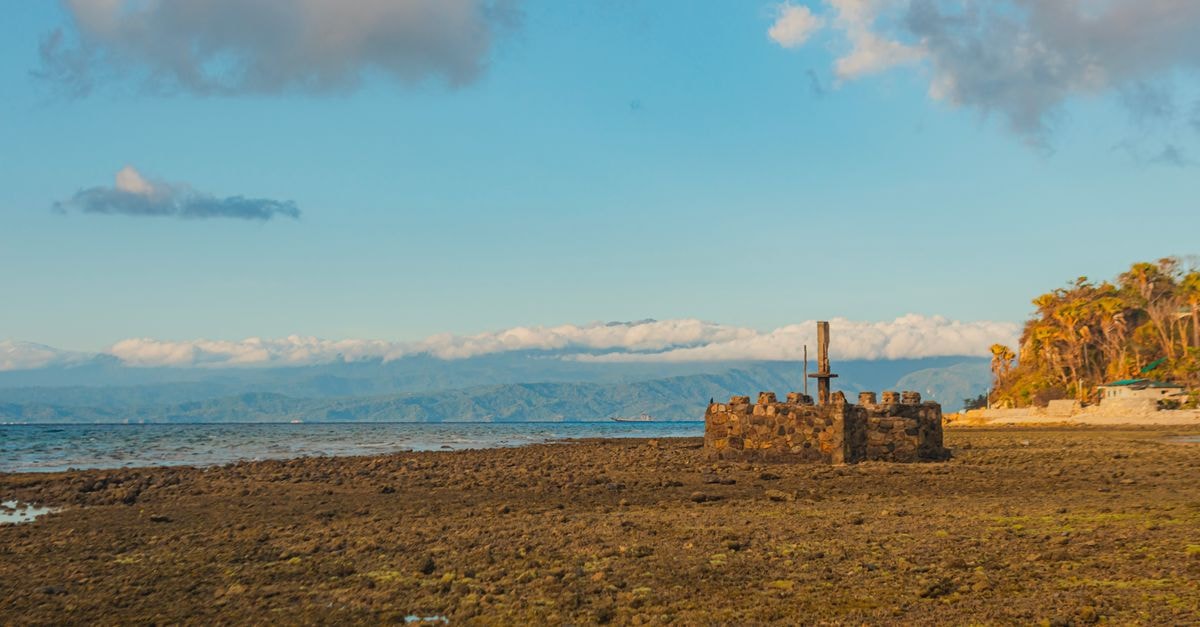
Two places are frequently described as anchor points for anyone who wants to understand the city's setting. The historic island of Mansinam carries real historical weight, marked by a striking Cross Monument that commemorates the arrival of early Christian missionaries in the region. A visit there usually pairs with slow time on the water and a sense of stepping slightly outside the city for an hour or two. Closer to town, the Gunung Meja nature reserve offers a different kind of pause: a protected area known for its botanical variety and for the kind of elevated viewpoint that gives travelers a feel for the scale of the surrounding forest. The combination of a coastal monument and a forested ridge is part of what makes Manokwari feel layered rather than one-dimensional.
Because the climate is equatorial and the city sits on a tropical coast, the day often starts bright and builds toward cloud cover and the chance of a shower later on. The rhythm this sets can feel gentle, and travelers used to drier climates sometimes appreciate pacing the day around it, with outdoor exploring in the morning and a slower stretch by the harbor in the afternoon.
Getting around and finding a place to stay
Manokwari is best approached as a city you move through slowly. Its layout follows the coast and the harbor, which means many of the places visitors want to spend time at sit within a relatively compact frame. Travelers who prefer walking and short transfers rather than long daily routes often feel at home here, since the geography does not demand aggressive logistics.
Accommodation in the city clusters around recognizable mid-range and business-style hotels that cater to visitors working in the region as well as independent travelers. Names that often appear in listings include Swiss-Belhotel Manokwari, Aston Niu Manokwari Hotel & Conference Center, Mansinam Beach Resort, Fujita Papua Hotel, and Valdos Hotel. The presence of a beach resort alongside several conference-oriented properties gives visitors a reasonable spread of choices, from rooms positioned for ocean or harbor views to quieter options slightly set back from the center.
For travelers who like to plan loosely rather than commit to a full itinerary in advance, this hotel mix tends to be practical. It is usually worth checking the location of each property against the places you most want to spend time at, since the difference between a harborfront stay and a hilltop one can shape the feel of the whole trip.
Food and what to expect at the table
Manokwari sits inside a much wider Indonesian food culture that travelers will encounter across the archipelago. Indonesia as a whole is shaped by enormous geographic and cultural variety, and that variety shows up directly in what ends up on the table: a rich mix of regional ingredients, cooking techniques, and dishes that change meaningfully from one island group to another. Visitors who arrive curious about that breadth often find that Manokwari offers a useful starting point, since eating well here is less about chasing a single famous dish and more about paying attention to the local take on familiar Indonesian patterns.
One helpful way to approach food in the city is to treat meals as part of the cultural reading of the place rather than a checklist. The social and cultural values that sit behind Indonesian cooking, from how ingredients are sourced to how dishes are shared, are part of what makes the experience worth slowing down for. Travelers who enjoy asking about a dish, learning which fish was caught that morning, or understanding how a particular spice mix fits into a wider tradition tend to get more out of the city's dining than those looking only for a quick bite.
Because Manokwari is not a heavily touristed food destination in the way that some larger Indonesian cities are, the practical rhythm of eating here often centers on hotel restaurants, local warungs, and casual spots near the harbor. Travelers who are flexible about meal timing and willing to follow a local recommendation rather than a fixed list generally find the most rewarding experiences.
Choosing what fits the way you travel
Manokwari suits travelers who like destinations that ask for a bit of interpretation. If your travel style leans toward dense cities, long museum days, or a tightly scheduled list of landmarks, the city may feel quiet, and you may want to pair a visit here with another stop that offers more structured sightseeing. If, on the other hand, you enjoy places where the landscape, the harbor, and the pace of the day set the tone, and where a nature reserve and a small offshore island can be the main events of a trip, Manokwari tends to be a good fit. The hotel mix also works well for visitors who want a comfortable base without the need to switch properties, which is helpful in a city where moving around frequently can feel like more effort than it is worth.
A note before you go
Because travel conditions in this part of Indonesia can shift, it is worth confirming hotel availability, transport options, and any access details for places like Gunung Meja and Mansinam through official channels or your accommodation before you travel. Factual details in this guide reflect what the underlying sources describe about Manokwari, and a quick check closer to your trip will help you plan around anything that has changed since the information was published.
Share this article
TOOLS FOR THIS PLAN
Make the Manokwari plan measurable
Choose a tool only when it answers the next question in your trip. Your values stay in the browser, and each tool offers a route back to this planning context.