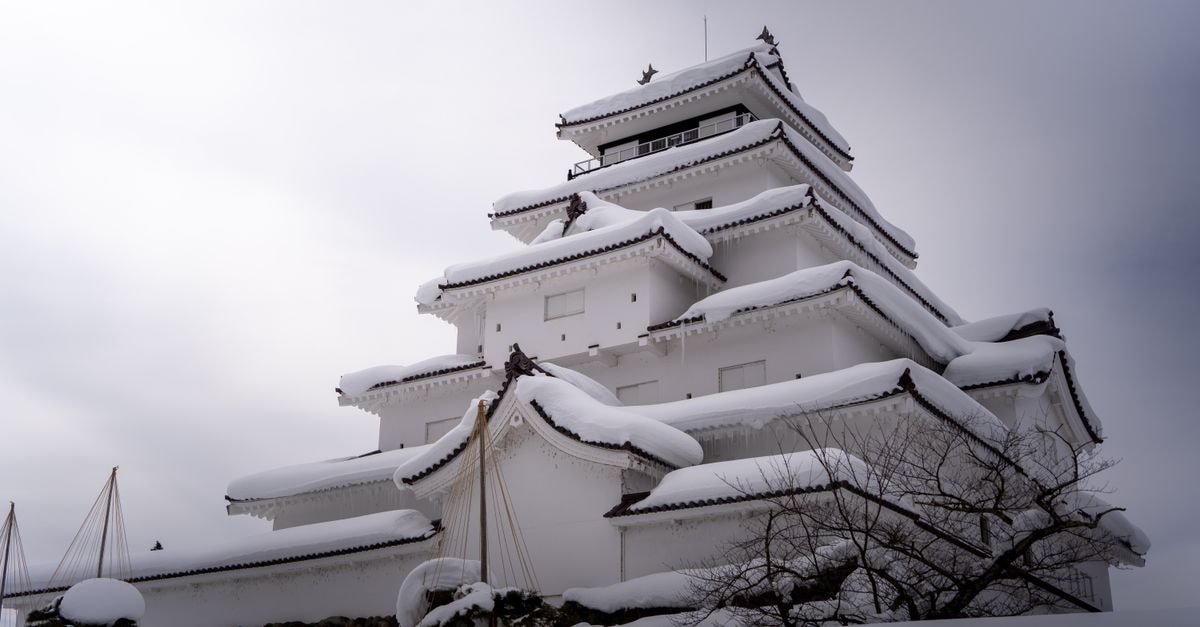
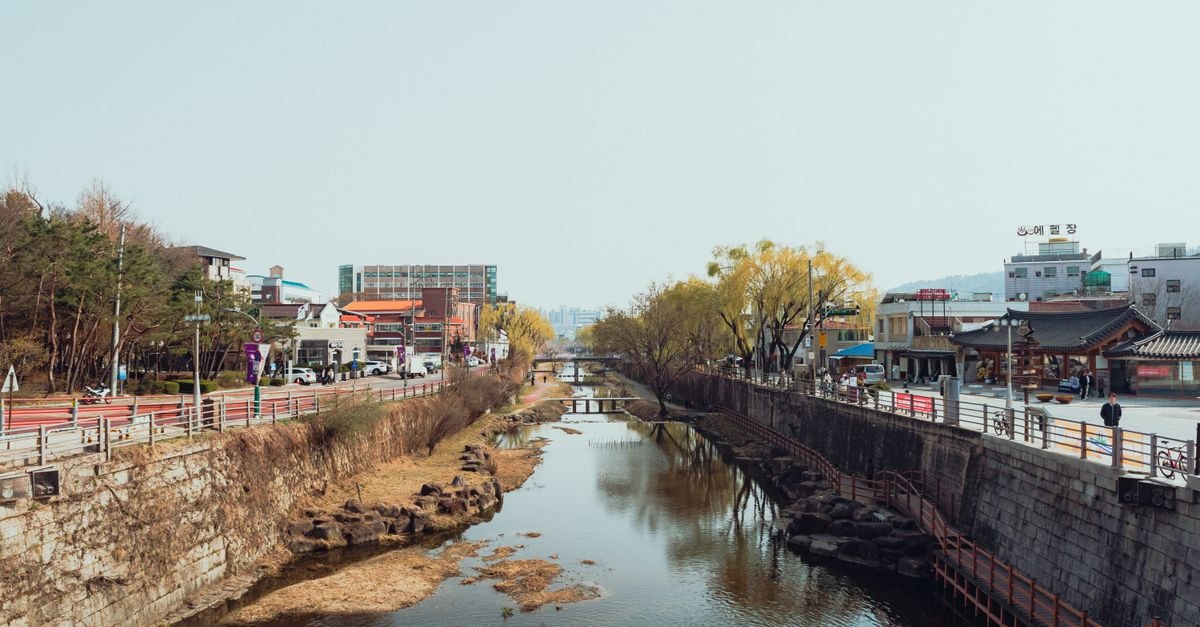
There is a particular hush that settles over Nara once you step away from the main arteries and let the old paths breathe. As Japan’s first permanent capital, the city carries the weight of centuries in its wooden halls, lantern-lit approaches, and free-roaming deer who bow for crackers and pose politely for cameras. Nara feels quieter than nearby Kyoto or Osaka, and that slowness is part of the appeal. The travel mindset here rewards pacing: a long stroll through a primeval forest, a slow lunch built around local rice and pickles, an unhurried look at a moss garden.

This guide leans into that rhythm. It focuses on what the official Nara travel resources actually confirm: how the seasons shape a visit, how to reach the city from Kansai International Airport, how the bus and rail network stitches together both the central sights and the more remote corners, where nature lovers tend to linger, and why food in Nara deserves a serious place on any itinerary.
Weather and seasonal context
The official Nara Travel Guide is candid that the cliché about Japan having four distinct seasons really does hold in Nara. That means each visit feels a little different, and the tone of the city shifts with the calendar. One practical note from the same source is that winter offers a more intimate Nara experience, which is a useful way to think about shoulder and cooler-season travel: fewer crowds, calmer temples, and a chance to notice small details that get lost in busier months. Because seasonality in Nara is felt strongly, it is worth thinking about the kind of atmosphere you want before booking, then dressing in layers and planning museum or indoor breaks around any harsher weather windows.
Getting around
Once you are in Nara, the city unfolds in layers. Central sights cluster around the Kintetsu and JR Nara stations and are very walkable, but the wider prefecture opens up only when you add the bus network. According to the official Nara Travel Guide, an extensive bus network operated by Nara Kotsu is also in place for access to more rural areas, and as an alternative to rail travel. The same source notes that Nara Kotsu operates the prefecture's extensive bus network, making it possible to travel to many of the more remote areas not served by rail. In practice, that means rail is perfect for the temple-and-deer core, while buses become essential if you want to wander further into nature, smaller villages, or outlying shrines. Bus tours are also part of the local transport mix, offering a relaxed way to cover ground if you would rather not read timetables.
Attractions and nature
For an evergreen look at where visitors spend their days, the official See & Do section highlights a mix of historic and outdoor experiences. Three nature-and-outdoors destinations stand out: Kasuga Primeval Forest, a sacred wooded slope that feels ancient in the most literal sense; Isuien Garden, a composed landscape garden where the borrowed scenery of the surrounding hills becomes part of the design; and Mitarai Valley, a quieter natural retreat that rewards travelers looking to trade stone paths for forest streams. Pairing any of these with the central temple precinct creates the classic Nara rhythm: a dose of culture, then a long exhale into greenery.
Food and local context
Food is where Nara quietly outpaces expectations. The Eat Local guide is unusually direct: the Slow Food Movement isn't a trend in Nara, it's just how they've always approached cooking. That framing matters because it sets the tone for dining here. Meals tend to favor local seasonality, traditional methods, and a kind of ingredient humility that makes even a simple lunch feel considered. The same source highlights Asuka Yakko, located near Kinpusen-ji Temple with mountain views, as a place to enjoy the Nara specialty kakinohazushi, the persimmon-leaf wrapped sushi that is one of the city's signature dishes.
A broader Nara food overview goes further, noting that Nara is Japan's oldest culinary city and that Nara food reflects the long history and traditional culture of Japan's first permanent capital. That history shows up on menus through dishes tied to temple cuisine, mountain vegetables, and rice preparations that have been refined over centuries. Across wider Japan, visitors may also encounter familiar dining customs such as saying itadakimasu before a meal and removing shoes when seated on tatami, which are good general behaviors to keep in mind wherever you eat in the country. Within Nara specifically, the practical advice is straightforward: lean into the local approach, ask what is in season, and treat kakinohazushi as a must-try alongside whatever else the kitchen is doing well that day.
Planning notes and practical reminders
Because this is an evergreen guide rather than a date-specific itinerary, a few general principles are worth keeping in mind. First, decide whether you want a city-walking trip centered on Kintetsu Nara and the park, or a nature-leaning trip that uses the Nara Kotsu bus network to reach places like Mitarai Valley. Second, give yourself more than a rushed half-day; Nara rewards a slow morning at a temple, a long lunch, and an afternoon garden. Third, treat the airport transfer as already solved: the Airport Limousine Bus to Kintetsu Nara is the simplest first move for most travelers. Finally, remember that travel conditions can change, and it is always wise to confirm transit schedules, opening hours, and any seasonal access notes through official channels before departure.
A useful verification note: factual details in this guide, including seasonal framing, airport-to-Nara transfer options, the role of Nara Kotsu buses, the listed nature destinations, and the description of kakinohazushi as a Nara specialty, are drawn from the official Nara Travel Guide and supporting transit and food resources. Currency, ticket prices, and exact timetables are not quoted here and should be checked at source before travel, as conditions evolve over time.
Share this article
TOOLS FOR THIS PLAN
Make the Nara plan measurable
Choose a tool only when it answers the next question in your trip. Your values stay in the browser, and each tool offers a route back to this planning context.