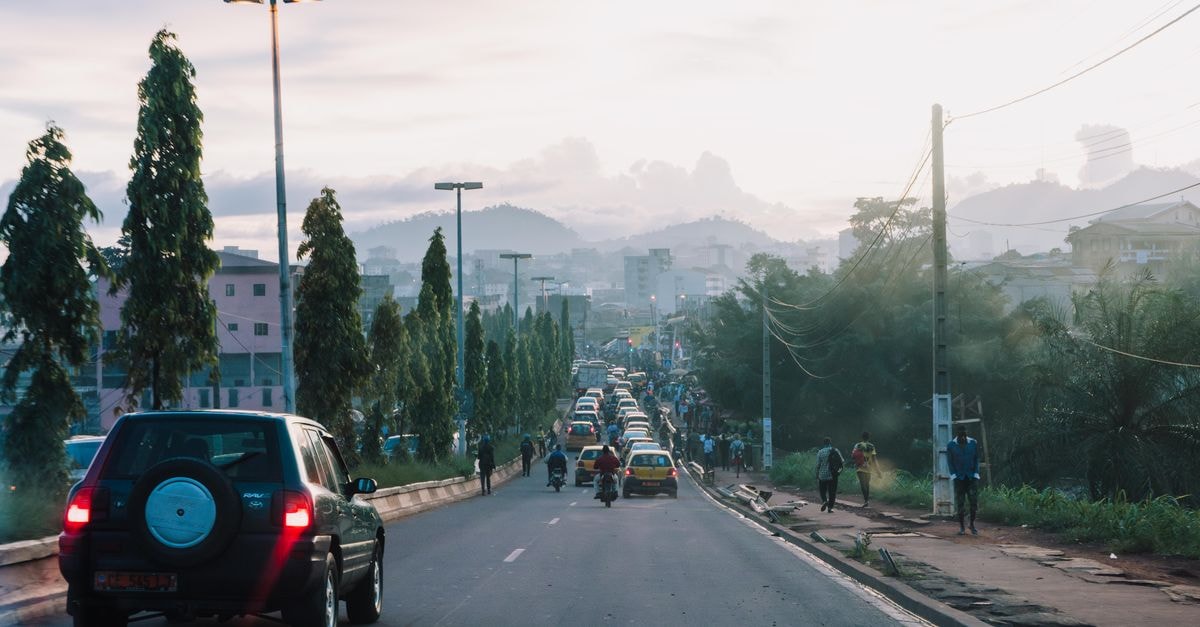
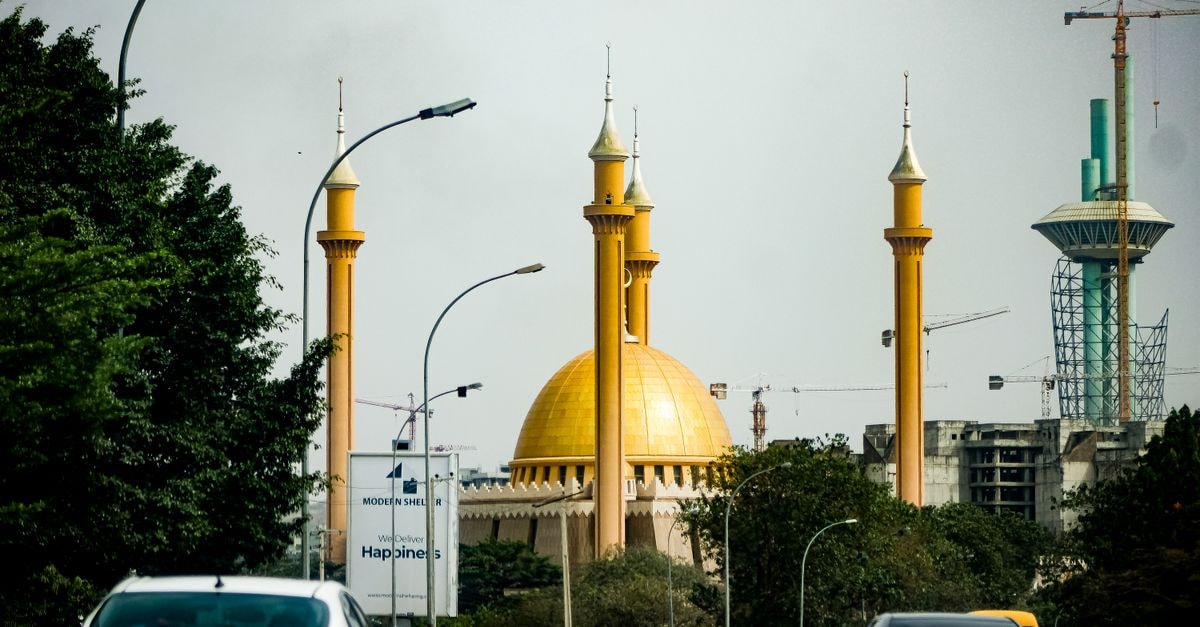
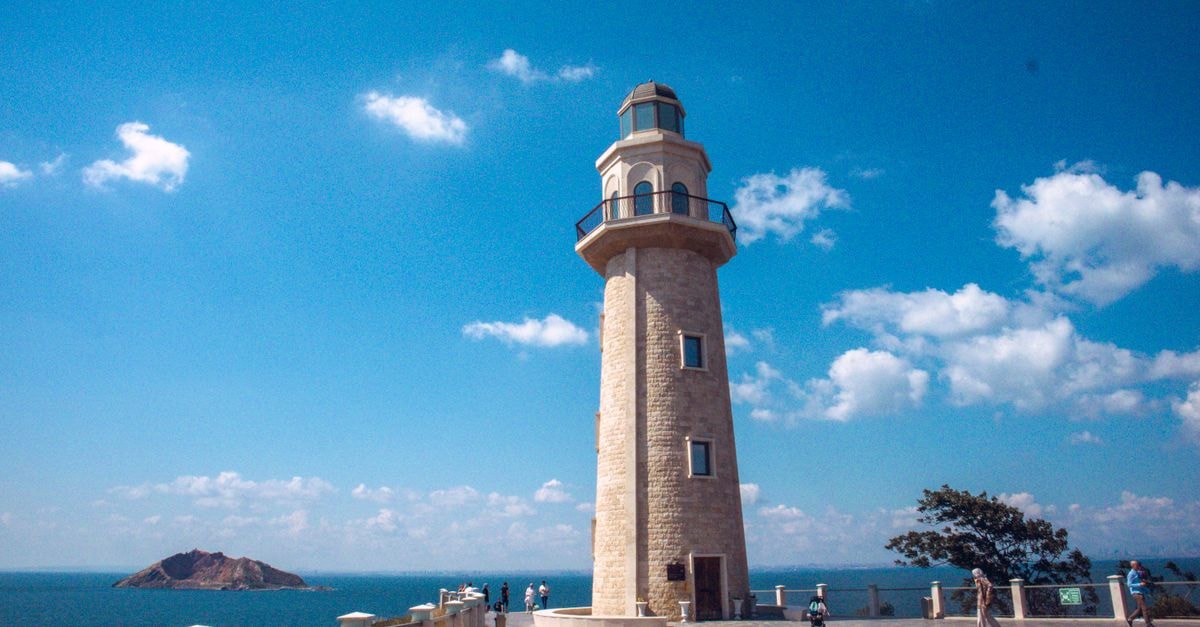
There is a particular kind of hush when a savanna city wakes up before the sun does, and Ngaoundéré seems built for exactly that moment. Perched high on the Adamawa plateau, the capital of the Adamaoua region in Cameroon has the feel of a crossroads where pastoral life and modern trade routes quietly overlap. Travelers tend to arrive here looking for something specific: the famed cattle markets, a thread of Fulani tradition, and the cool breath of highland air that hints at the country's interior geography. Whether you have a few days or are passing through, this Ngaoundéré travel guide is built to help you read the city at a human pace.

Weather and seasonal context
Climate shapes the rhythm of any highland city, and Ngaoundéré's perch on the Adamawa plateau is part of what gives it its character. The city is set noticeably above the surrounding lowlands, so even in tropical Cameroon the air tends to feel lighter and cooler than visitors expect from the country as a whole. That altitude creates a gentler daily arc: bright mornings, often warm middays, and evenings that can cool down briskly enough to ask for a light layer.
Because Ngaoundéré is a plateau city known for its agriculture and its famous cattle markets, the open-air culture of the town tends to unfold outdoors. Pacing yourself around the cooler parts of the day, especially for long walks between the market areas and the palace district, can make the experience feel less rushed. Travelers visiting Ngaoundéré often describe it as a highland route, with cooler conditions easing movement between town stops and the wider Adamaoua countryside. If you are sensitive to heat, planning market visits and palace explorations for the early morning or late afternoon typically reads better than a single long midday outing.
It is worth treating any temperature or sky condition as a reference rather than a guarantee. Highland weather can shift quickly, and the plateau can feel noticeably different from one hour to the next. Layered clothing, water, and patience with sudden changes are the practical tools that suit the climate here.
Getting around
Ngaoundéré sits in a quietly strategic spot. It is described as the capital of the Adamaoua region, and it has long served as a gateway between Cameroon's central highlands and the wider country. That gateway role is the most important thing to understand before you arrive: the city is a hub you move through rather than a maze you have to decode. Roads in and out connect it to other parts of Cameroon, and the surrounding plateau terrain means journeys often feel like long, scenic drives rather than short hops.
In terms of arrival options, Ngaoundéré does have its own airport, though the current published record notes that there are no scheduled services operating from it. That detail matters for planning. If you are arriving from elsewhere in Cameroon or from abroad, it usually means you will reach Ngaoundéré overland rather than by a direct flight, and you should treat the city as a road-and-transport hub rather than an air gateway. Travelers who enjoy slow travel often find that approach rewarding, since the drive into the Adamaoua region gradually reveals the change in landscape from lowland forest to open plateau.
Once you are in the city, moving around tends to be straightforward. As a regional capital and a known stop for travelers exploring the Adamaoua, Ngaoundéré is laid out in a way that supports walking between central points during cooler hours, with motorbike taxis and shared transport covering longer distances. The plateau geography also means streets often feel more open than in denser lowland cities, with views rather than canyons between buildings. That openness can be a relief for visitors who arrive from larger Cameroonian cities and want somewhere that breathes a little more.
Because the airport currently lacks scheduled services, any onward travel by air would normally begin from a larger Cameroon hub, with the overland leg to or from Ngaoundéré becoming part of the journey itself. Planning that final or first drive with buffer time is generally a good idea, since highland roads can be slower than they look on the map and conditions vary.
A note on planning
Ngaoundéré rewards travelers who treat it as a place to slow down rather than tick off. The cattle markets, the cultural presence of the Lamido's palace, and the Fulani heritage that runs through everyday life are best experienced with time to observe rather than rush. Pairing market visits with a relaxed afternoon around the palace area, and letting the plateau climate set your schedule, is usually enough to feel the city's character.
Because transport patterns and service availability can change, it is wise to confirm current schedules and road conditions through official or local channels before you travel. Factual travel conditions evolve, and what is true at the time of writing may shift; checking with local transport contacts or regional tourism offices is a sensible final step before committing to specific plans.
*Travel conditions, transport availability, and local services can change. Please verify current details through official channels before departure.*
Share this article
TOOLS FOR THIS PLAN
Make the Ngaoundéré plan measurable
Choose a tool only when it answers the next question in your trip. Your values stay in the browser, and each tool offers a route back to this planning context.