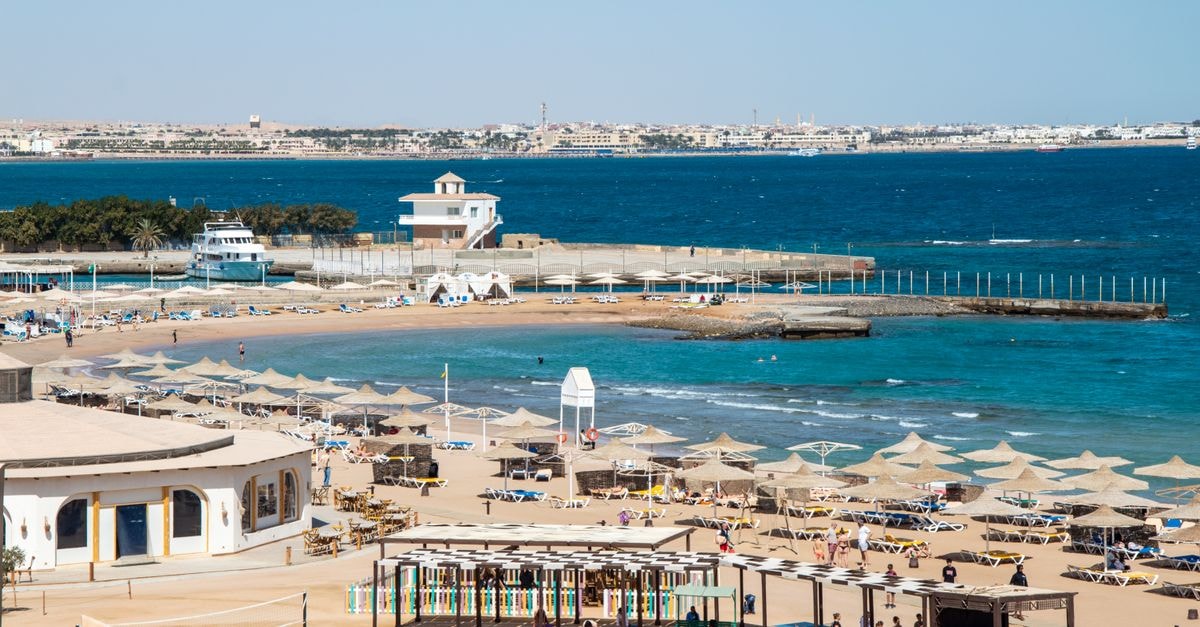
A first impression of Asyut

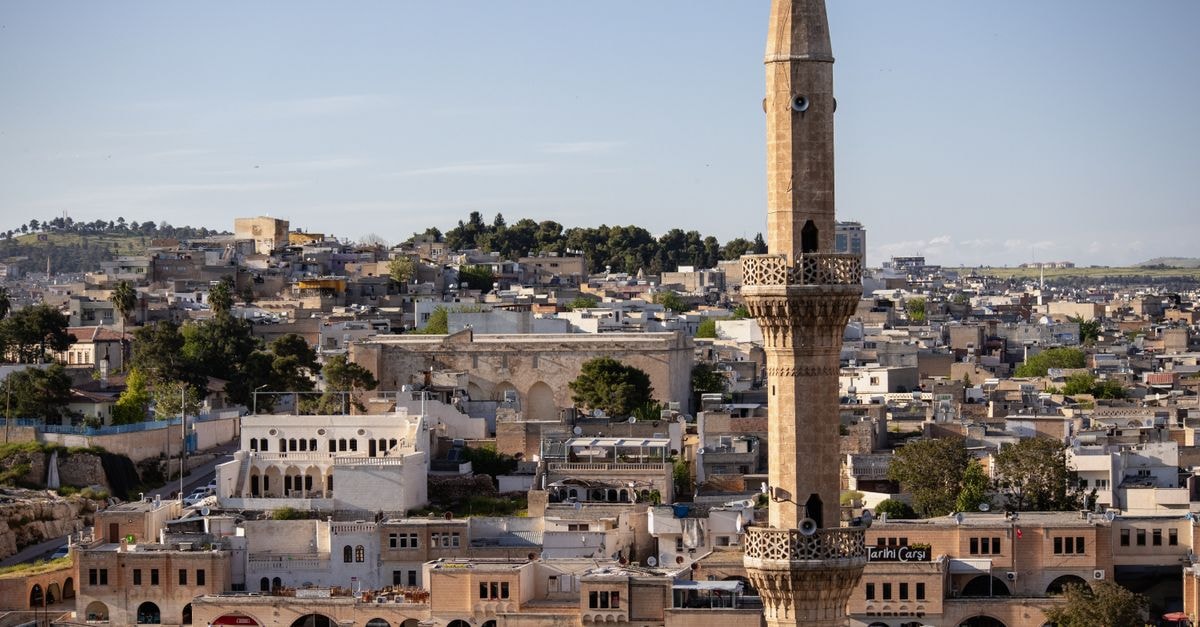
What makes Asyut interesting to slow down in, even briefly, is the layered setting. The modern city was built near the site of an older city of the same name, and that older site lies close by. You do not need to be an archaeology specialist to feel that proximity; it colors the way the city understands itself as a place where contemporary Egyptian life and a much older geography share the same ground.
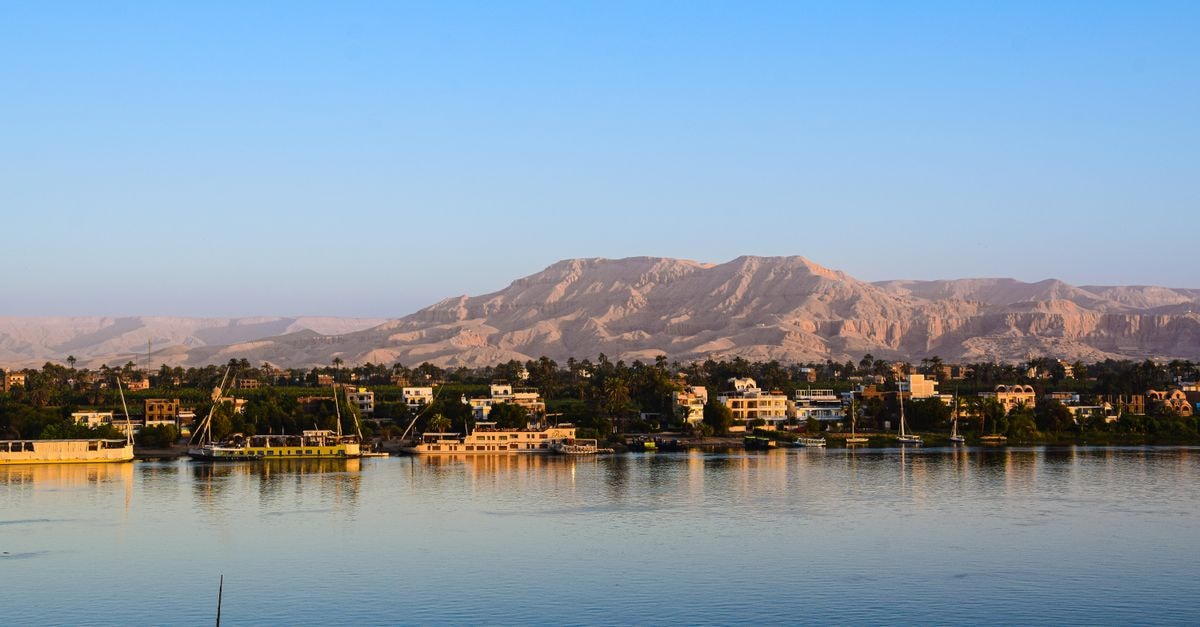
If you are the kind of traveler who enjoys cities that are not yet packaged for visitors, Asyut offers that feeling. It is a place where you can walk through a living community rather than a curated set, and where the Nile is part of the everyday view rather than a scenic backdrop.
Where Asyut sits and what that means
Because Asyut is positioned roughly halfway between Cairo and Luxor, it functions as a kind of midway chapter in any north-to-south journey through the Nile Valley. Travelers tend to encounter it as either a stopover, a base, or a deliberate detour, depending on how much time they have chosen to give the middle stretch of the country.
It is also worth noting that Asyut is described as a gateway to the southern oases. That phrasing is not a promise of a specific road or timetable; it is a reminder that the city sits at a junction point, both geographically and in the imagination of people planning deeper routes into Egypt's interior.
Getting to and around Asyut
If you prefer to organize a guided experience or a packaged journey, operators such as My Egypt Travel describe Asyut as part of broader historical and spiritual circuits through Egypt. That kind of framing is most useful if you want someone else to handle logistics between cities, and if you are combining Asyut with sites further north or south rather than treating it as a standalone destination.
For moving around the city itself, the simplest mental model is the Nile. The west bank setting gives the river a strong directional pull, and most of the daily movement in town tends to follow that orientation. Within Asyut, the pace is generally that of a working city rather than a tourist zone, so a relaxed, observant approach tends to work better than an aggressive checklist.
What to see and how to plan
Asyut is not a city of a single headline sight; it is a city where the visit is shaped more by atmosphere and by a few specific anchors than by a long list of attractions. One recognizable landmark associated with the area is the Convent of the Virgin Mary on Mount Assiut, which appears in curated listings of places of interest in the governorate. Beyond that, the value of a visit tends to come from the broader setting: the Nile, the layered history, and the everyday energy of a major Upper Egypt hub.
If you are planning with a guidebook mindset, treat Asyut as a slow city rather than a fast one. A short stay that lets you walk along the river, observe daily life, and connect with a specific point of interest such as the convent tends to feel more rewarding than an attempt to pack in a long list. The available guidance suggests that listings for the governorate pair must-see scenic spots with local hangouts, and the balance between those two is part of what makes the visit feel real.
It is also fair to set expectations: Asyut is framed as underrated and under-explored by international visitors, which can be a plus if you want a less polished experience, and a minus if you are looking for a fully developed tourist infrastructure. Travelers who enjoy cities that ask something of them tend to find that energy appealing.
Practical notes for planning a visit
A few light, durable pieces of advice follow naturally from what the available information supports. First, give yourself a buffer when planning connections. Because Asyut is a working transit point as much as a destination, it is worth leaving time between arrival and any onward journey, whether that onward journey is by train, bus, or road transfer.
Second, treat the city as part of a larger Egyptian story rather than an isolated stop. Asyut sits between two of the most visited cities in the country, and that positioning means it works best as either a midpoint on a longer route or as a focused, intentional detour. Trying to force it into a very tight schedule tends to flatten what is interesting about it.
Finally, conditions on the ground can change. Transport options, opening status of specific sites, and local services evolve, so it is always wise to verify the most current details through official or up-to-date channels before you travel, rather than relying solely on any single written guide.
A short closing thought
Asyut is the kind of city that benefits from a little patience. It is not trying to impress you, and it is not built around a single must-photograph moment. What it offers instead is a genuine slice of Upper Egypt, anchored by the Nile, shaped by its university population, and quietly connected to a much older past. If you arrive with curiosity rather than a fixed checklist, the city tends to reward that mindset.
Prices, opening hours, schedules, reservation rules, and local conditions can change; verify them through official channels before departure.
Share this article
TOOLS FOR THIS PLAN
Make the Asyut plan measurable
Choose a tool only when it answers the next question in your trip. Your values stay in the browser, and each tool offers a route back to this planning context.