A coastal capital that wears its history lightly

Dar es Salaam sits along the Indian Ocean and feels like a city in conversation with itself. The harbor, the wide avenues lined with flame trees, and the slow pace of afternoon trade give the city a texture that is hard to find in a brochure. You notice the layers quickly: a name that translates loosely from Arabic as a place of peace, a rhythm shaped by trade winds, and an architecture and civic layout that quietly carry the fingerprints of nineteenth- and twentieth-century power.
That sense of layered past is part of why visitors linger. The city reads less like a postcard stop and more like an unfolding story, where a single afternoon can pass through Swahili coastal trading culture, German colonial planning, and British administrative townscape without ever announcing the transition. Dar es Salaam's origins have been influenced by a myriad of Sultans, the Germans, and the British, and that combination gives even an ordinary street corner a sense of depth. Knowing this in advance changes how a walk feels; instead of looking for one dominant identity, you can lean into the way those influences sit beside each other.
Weather and seasonal context
Any honest Dar es Salaam note about weather has to admit one thing up front: this is a tropical coastal city, and the climate shapes the day more than any sightseeing plan does. Humidity is a near-constant companion, and the sky has a habit of shifting from bright and hazy to heavy in the space of an hour. For visitors, that usually translates into a simple rule of thumb: pace the day around your own comfort rather than around a packed schedule, and keep an indoor plan in reserve for when the air feels thick.
Long-term readers of the city describe two broad pulses rather than the strict four seasons of a temperate climate. There are drier spells where the air is a touch easier, and wetter spells where rain can arrive suddenly and briefly. None of that should be treated as a guarantee for any given week, but it is useful framing for travelers trying to decide what to pack and how to structure a day. Lightweight layers, a refillable water bottle, and patience with sudden clouds all tend to serve visitors well, whatever the calendar says.
Attractions and planning
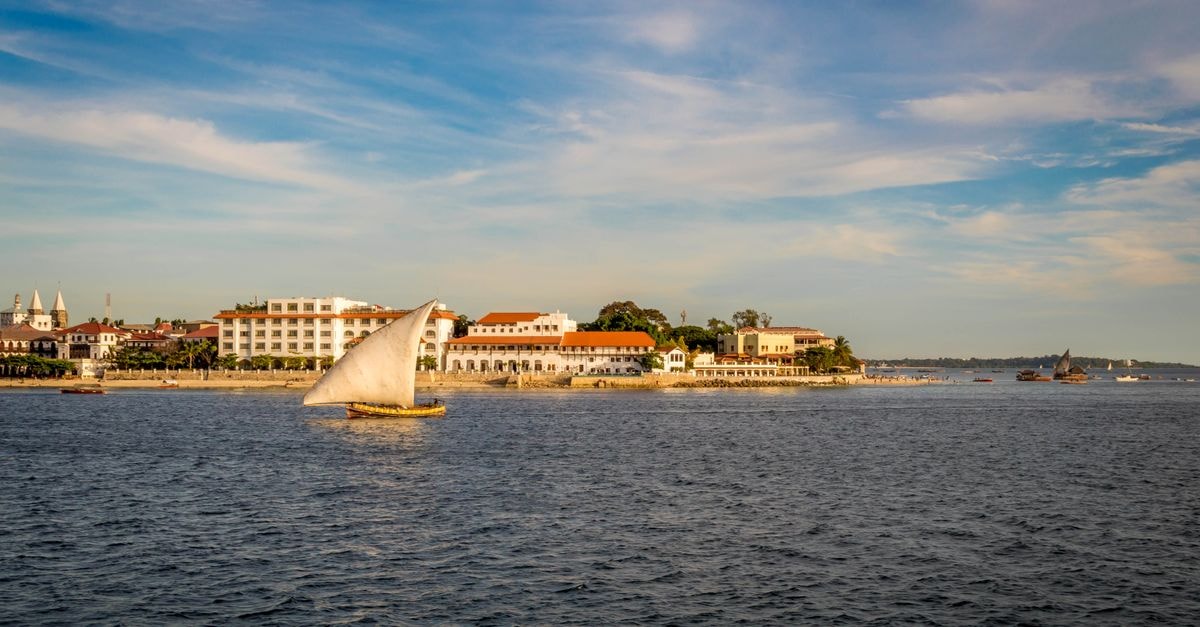
Dar es Salaam reads as a city to wander more than a city to sprint. The attractions worth your time tend to be the ones that reward slow looking: a waterfront where dhows still come in, tree-shaded streets where the light changes by the hour, and pockets of the city center where older buildings sit next to newer ones in a way that makes the historical layers visible at a glance. A good day here often looks less like a checklist and more like a series of small stops with breathing room between them.
When planning what to see, the practical mindset is to anchor your days loosely. Pick one anchor stop for the morning, leave the afternoon open for whatever you find on the way, and treat any ambitious list of places as a wishlist rather than a schedule. Dar es Salaam rewards that approach. The city's mix of Swahili coastal roots, German-era planning, and British-era institutions means the street itself often does as much of the storytelling as any single landmark, and you notice more when you are not rushing toward the next item on a list.
For visitors who want to dig deeper into individual sites, dedicated attractions listings for the city are the natural next step. Those resources tend to group experiences by neighborhood and theme, which fits the way the city actually unfolds, and they serve as a starting point for planning rather than a final itinerary. Hotels listings, similarly, are useful framing: not as a verdict on where to stay, but as a way to understand how accommodation is distributed across the city and which areas feel closest to the kinds of walks you want to take. Treat both as starting points for your own research rather than as final answers, since conditions on the ground can shift.
What to keep in mind before you go
A few small habits tend to make the trip smoother. Build flexibility into each day, because the heat, the rain, or simply the pleasure of sitting at a café to watch the street can rearrange your plans. Approach major sights with patience rather than urgency, and let the city reveal itself in layers rather than on a timetable. The more you leave room for chance encounters, the more Dar es Salaam tends to give back.
It is also worth arriving with the right expectations about pace. This is not a city that rewards rushing, and the travelers who enjoy it most are usually the ones who treat time as a resource. Slow mornings, unhurried meals, and a willingness to simply sit with the harbor view for an hour will do more for your experience than any number of extra stops crammed into a single day.
A note on checking the details
Factual travel conditions can change, and the only safe assumption is that prices, hours, and access rules on the ground may differ from what any single source describes. Treat the framing above as a way to think about the city, and confirm specific opening times, fares, and accessibility details through official channels before you set out. With that small step, a visit to Dar es Salaam becomes easier to enjoy, because you arrive informed without being overcommitted to any one plan.
Share this article
TOOLS FOR THIS PLAN
Make the Dar es Salaam plan measurable
Choose a tool only when it answers the next question in your trip. Your values stay in the browser, and each tool offers a route back to this planning context.