A First Look at Kohima
Perched high in the hills of Nagaland, Kohima has the kind of quiet, layered feel that rewards visitors who arrive curious and unhurried. The capital sits in a fold of the northeast Indian landscape, where terraced slopes meet narrow market lanes and older colonial landmarks share space with everyday civic life. For travelers used to the flat plains further west, the elevation alone is part of the experience.
A few practical realities shape any visit. Travelers to Nagaland typically need an Inner Line Permit, processed in a matter of hours when applied for online. Foreign visitors should also register with local authorities on arrival, though most of the state does not currently require a separate Protected Area Permit. Nagaland is generally considered safe for tourists, with low reported crime rates, which suits visitors who prefer to explore with a calm, observational pace rather than a tightly chaperoned one.
What follows is a city-level guide built around the facts most useful for an independent trip, from how the approach roads behave to how Indian dining culture tends to read on the ground. Where the evidence is country-wide rather than city-specific, that framing is kept clear.
Permits, Roads, and Getting to Kohima
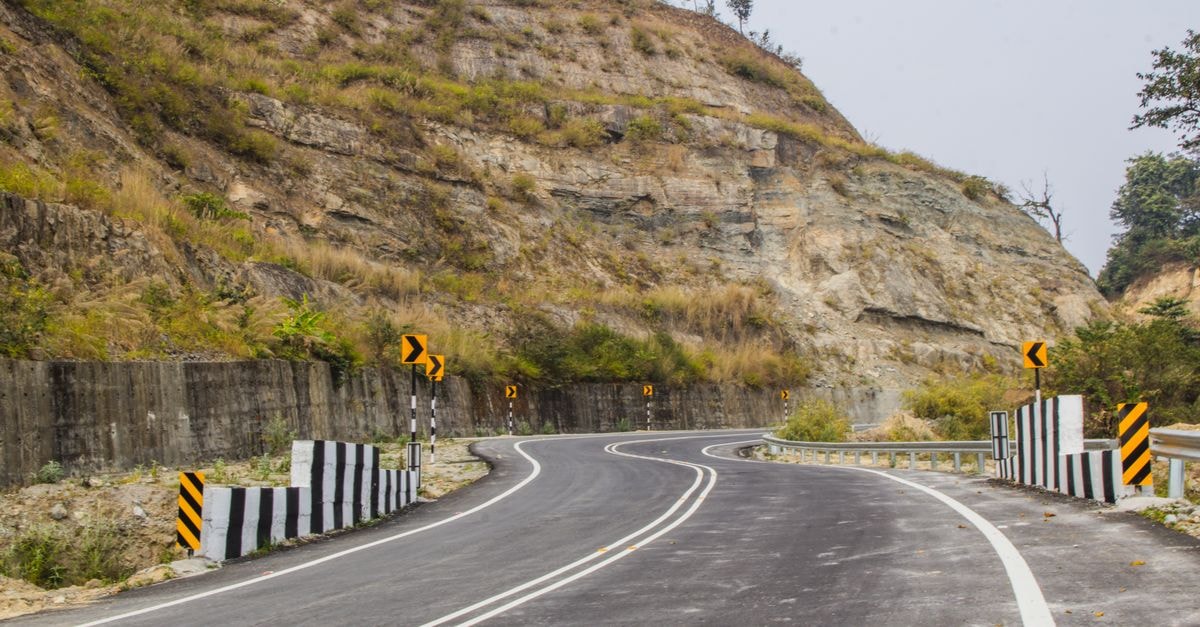
Getting to Kohima is, in many ways, half the journey. The main road link is NH29 from Dimapur, the closest railhead, and it is generally described as decent but noticeably winding. That matters in practice: the curves limit overtaking, slow average speeds, and reward travelers who build buffer into their schedule. If you prefer to take your own time on mountain sections and stop for viewpoints, a self-drive is doable, though parking inside the city itself is limited, so a smaller vehicle or a driver who knows the central streets can save friction.
Permits are the other essential planning step. Indian nationals typically need an Inner Line Permit for Nagaland, applied for online through the state ILP system, with processing that takes only a few hours in normal conditions. Foreign nationals, according to the same source set, do not currently require a special Protected Area Permit for most of Nagaland, but must register with local authorities on arrival. Both steps are simple but worth handling before you board the Dimapur-Kohima road so that the first day is not lost to paperwork.
If you do not have a particular reason to be in Dimapur beyond transit, the road itself is the transition. Light snacks, water, and a warm layer for the cooler hill air all earn their place on board. Travelers sensitive to winding roads may want to consider motion-sickness preparation in advance, because the route is steady rather than flat.
Weather and Seasonal Context
The available evidence does not pin Kohima to a specific temperature range or current reading, so any sense of the climate is best framed gently. The city sits at a meaningful elevation, and conditions on the ground tend to feel cooler and damper than nearby lowland towns. Mornings can feel crisp, afternoons often shift to a softer humidity, and evenings usually settle into the kind of cool air that makes a second layer worth keeping within reach.
Given the elevation and the winding NH29 approach, layered packing is one of the clearest practical choices. A light jacket or jumper, a rain-resistant outer shell, and footwear with grip for sloped lanes tend to serve visitors better than warm-weather gear alone. Because hill weather can change within a single day, travelers who prefer to pace themselves rather than rush between stops may find Kohima easier to enjoy with a slower daily rhythm and a few indoor breaks built in.
Rain is a recurring feature of the region at most times of the year, so a compact umbrella or packable waterproof is a small item with a large payoff. Wikivoyage notes that second-hand clothes are widely available in Kohima itself, which is a useful fallback for travelers who arrive without a warm jumper or a proper waterproof jacket and would rather pick one up locally than shop for new gear.
Getting Around Town
Once in Kohima, the city is best approached on foot for short distances and by car for longer ones. The central lanes are narrow, parking in the city is limited, and the hills make straight-line navigation less reliable than a map suggests. A common pattern is to walk the market and civic center, then arrange a car for anything involving the War Cemetery ridge or outlying neighborhoods.
Taxi and shared-car arrangements are the practical backbone of movement. If you prefer independence and are comfortable with hill driving, a self-drive remains workable, with the same caveat about parking that applies to the Dimapur-Kohima road: the city rewards drivers who accept that the car will be stationary for periods. If you would rather hand the keys to someone else, hiring a local driver for half-day or full-day blocks tends to suit the layout better than relying on short, ad-hoc rides.
For travelers who want to keep the day flexible, consider choosing a base near the central area so that most short walks and errands stay within reach on foot, reserving car time for the few longer hops. That structure tends to match the way the city actually functions.
Food and Local Context
The approved evidence here is firmly India-wide rather than city-specific, so it should be read as wider Indian dining context that visitors may encounter while in Kohima, rather than a list of Naga specialties. India is home to a staggering array of regional cuisines, each shaped by its own ingredients, climates, and traditions, and food carries a strong social and ritual weight across the country. Meals are often communal, the pace can be unhurried, and the act of eating together is woven into everyday life.
What this means for a traveler in Kohima is practical rather than abstract. Expect regional variation in what is served, expect the rhythm of a meal to favor conversation over speed, and expect food to be treated as part of the cultural exchange rather than a quick refueling stop. Travelers who prefer quieter dining settings may find it helpful to look for smaller, family-run rooms rather than large, peak-hour halls, though that is a general Indian-dining observation rather than a Kohima-specific claim.
Because the evidence does not name specific restaurants, menus, or signature dishes in Kohima itself, this guide does not invent any. The honest framing is that visitors should treat local meals as part of the discovery, ask hosts or hosts' families what is on offer, and let regional context do the talking. Country-level sources do emphasize that food in India is more than sustenance; it is an integral part of rituals, festivals, and social gatherings, which is a useful mindset to bring to mealtimes in the northeast as well.
If you have specific dietary needs, consider learning a few polite phrases, because ingredient lists are not always posted in detail. Travelers who prefer familiar flavors may want to keep a few trusted snacks on hand for the first day, while still leaving room to try what is locally prepared.
Planning What Fits the Trip
Kohima is a city where the permit, the road, and the elevation tend to shape the trip more than any single landmark. The clearest tradeoffs are between independence and convenience, and between slower pacing and maximum coverage. If you value flexibility on the road, self-drive is doable but parking in the city is limited, so a hybrid approach with a driver for the central hours often suits. If you prefer to keep your pack light, second-hand clothes are widely available in Kohima, including warm layers and waterproof jackets, which reduces the pressure to pre-pack for every weather possibility. If you want meals to feel like part of the cultural experience rather than a checklist, the wider Indian dining context rewards patience and curiosity over speed. None of these choices are universal; they simply describe the friction points that the available evidence actually highlights.
A Short Verification Note
Before departure, double-check current Inner Line Permit procedures for Nagaland and confirm whether registration on arrival is still required for foreign nationals, since these administrative details can be updated by the state. It is also worth checking live weather forecasts closer to your travel dates so that your jacket-versus-rain-shell decision reflects the week you are actually visiting. Factual travel conditions can change, and official channels should be checked before you set out.
Share this article
TOOLS FOR THIS PLAN
Make the Kohima plan measurable
Choose a tool only when it answers the next question in your trip. Your values stay in the browser, and each tool offers a route back to this planning context.