A first look at Onitsha
There is a particular kind of energy that hits you the moment you step toward Onitsha, the big commercial city on the eastern bank of the river in Anambra State, Nigeria. It is the energy of motion: traders moving, buses loading, voices rising over a city that has long been counted among the most active trading hubs in West Africa. Even a short stay tends to leave an impression.
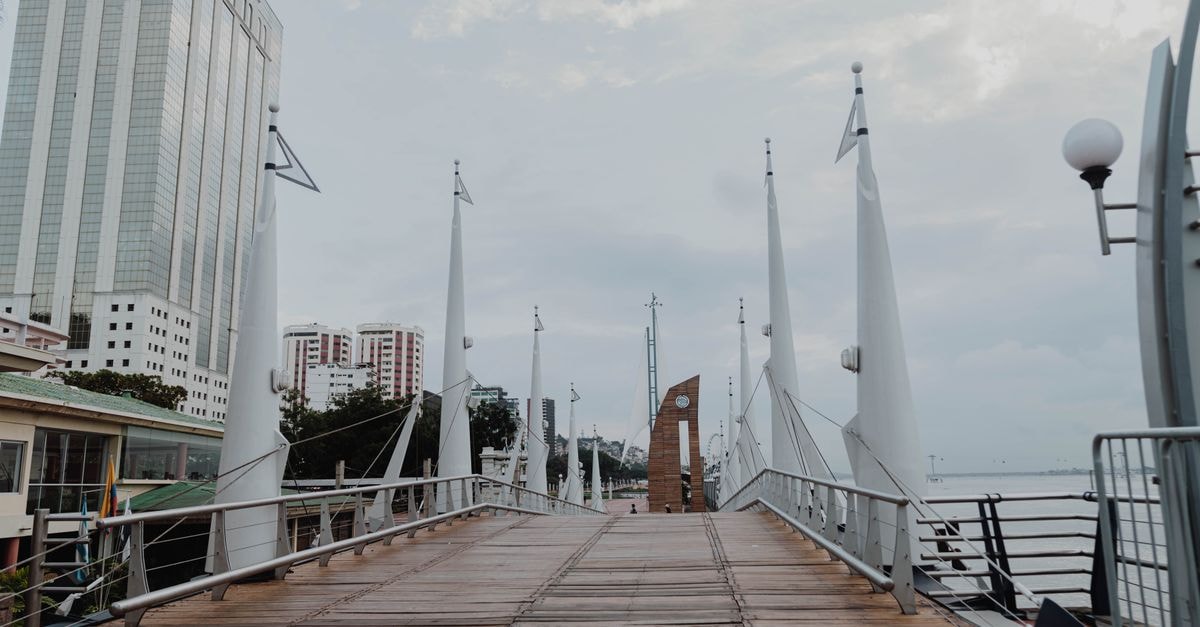
The city spreads along the water, and the Niger Bridge carries road travellers across into Onitsha. That single crossing is part of how the city has grown, because being on the river has shaped trade, movement and daily life for generations. Plan to spend a little time near the river and at the markets to feel the pulse of the place rather than just passing through.
Weather and seasonal context
Onitsha sits in a tropical part of southeastern Nigeria, so visitors generally arrive into warmth and humidity. Travel scoring for the city suggests that the clearest stretch for hot-weather activities tends to fall from late November to late January, when conditions can feel more comfortable for spending long hours outdoors.
That window is worth keeping in mind if your itinerary leans heavily on river views, walking the market, or slow afternoons under the sky. Outside of it, the weather can feel heavier and more humid, which can shift how you pace the day. Lightweight clothing, water, and a willingness to break for shade tend to serve travellers well at any time of year. Conditions vary year to year, so a quick check of the forecast before you travel is a sensible habit.
Getting around
The Niger Bridge is the road link that defines access to Onitsha. It carries vehicles across the river and connects the city to the wider road network in Anambra State and beyond. Travellers arriving by road from other parts of southeastern Nigeria can expect to cross the bridge to reach the city centre.
Once inside Onitsha, the city is best understood as a place where movement is busy and informal. Major roads feed the market districts and the riverfront, and shared taxis and buses are common ways to move between neighbourhoods. Walking is useful for shorter stretches, especially around the market core, but expect crowds and noise rather than quiet strolls. If you are using the bridge as a waypoint, allow extra time during peak hours so the crossing does not eat into your day.
Markets and commercial life
Onitsha Main Market is one of the largest markets in West Africa, and that single phrase sets the tone for a visit. The market is a destination in its own right: a sprawling, densely packed trading zone where almost anything seems to be for sale, from fabrics and household goods to electronics and provisions. It is the kind of place where a curious traveller can spend hours and still feel like they have only scratched the surface.
For visitors, a few practical habits help. Go early in the day to avoid the thickest crowds, carry small local notes for purchases, and keep an eye on bags and pockets the way you would in any major market anywhere in the world. Bargaining is part of the culture, but a friendly approach goes further than a hard line. If you are sourcing a specific item, asking a few traders the same question can save time and give you a sense of price ranges. Beyond Onitsha itself, the wider Anambra story also leans on enterprise: neighbouring cities contribute their own commercial strengths to the region's identity, and Onitsha's markets remain the headline act.
Food and local context
Food in and around Onitsha sits inside a wider Nigerian rhythm of shared plates, peppery soups and grilled street snacks. While no specific dish is anchored in the approved evidence for the city, visitors can expect to encounter the broader Nigerian food culture that runs through southeastern kitchens, where staples like cassava, yam, plantain and rice appear in many forms and meals are often shared.
Eating close to the market and along busy roads tends to mean small chops stands, grilled meat vendors and food joints serving generous portions at local prices. For visitors who want a fuller experience, sitting down at a busy local spot at lunch, rather than fighting for a table at peak dinner time, can feel more relaxed and gives you a better sense of the everyday eating rhythm. If you have dietary preferences or restrictions, it can help to ask plainly what is in a dish, because Nigerian soups and stews often build flavour with a generous hand on pepper and stockfish.
Attractions and planning
The river and Niger Bridge themselves are part of the city's draw. The view from Onitsha, looking out across the wide water and the bridge that carries the road, gives the city its sense of place. A short stop at a vantage point along the river is a useful way to slow down between market visits and to reset before continuing your day. Evenings along the river tend to be calmer than the market hours and can offer a different mood.
If your trip allows for a longer stay in Anambra, the wider state holds several attractions that visitors sometimes pair with a Onitsha base. Among the more unusual natural and cultural sites is Agulu Lake in Anaocha Local Government Area, known locally as the home of the sacred crocodile. The lake is treated as both a natural and cultural attraction, with a long-standing reputation that draws curious visitors. Travellers interested in the latter should plan transport in advance, confirm access locally, and treat the site with the same respect you would give any place where nature and tradition meet.
A simple plan tends to work well in Onitsha: a morning at Onitsha Main Market, a slower afternoon along the river with a stop for views of the bridge, and a relaxed evening close to where you are staying. The city rewards travellers who leave room in the schedule rather than racing from one stop to the next, because the energy here is the attraction as much as any single landmark.
Picking what fits your trip
A few tradeoffs can shape how you plan. Travellers who love long, hot afternoons outside may find the late November to late January stretch the most comfortable for slow exploration, while those drawn to the bustle of markets and street life can comfortably visit at other times if they are willing to pace the day around the heat. If river views and the Niger Bridge are a priority, plan time near the water early or late in the day rather than at midday, when the light and the heat can both feel intense. For visitors interested in wider Anambra attractions like Agulu Lake, a longer stay or an overnight plan makes the most sense, since combining the market, the riverfront and a lake trip into a single rushed day can feel like too much.
A quick verification note
Conditions in Onitsha, from market hours to access at nearby attractions, can change, so it is worth confirming opening times, transport availability and current local advice through official channels before you travel. Treat any details in this guide as a starting point for planning, not a final itinerary.
Share this article
TOOLS FOR THIS PLAN
Make the Onitsha plan measurable
Choose a tool only when it answers the next question in your trip. Your values stay in the browser, and each tool offers a route back to this planning context.