A working Valle del Cauca city with its own rhythm

Palmira sits in Colombia's Valle del Cauca department, the country's famous sugarcane belt, and it reads more like a confident mid-sized Colombian city than a sleepy agricultural town. Travelers who arrive expecting only cane fields are often surprised by the pace: this is a place with working industry, university energy, and a recognizable local identity, all framed by the flat countryside that has shaped the economy for generations.
If you have come looking for a Valle del Cauca travel guide that goes beyond the headline stops, Palmira rewards a slower pace. Think bike-friendly streets, open plazas, and a city that still feels rooted in its traditions, even as it grows.
Weather and seasonal context
Rather than planning around a strict calendar, it helps to think in practical terms. Light, breathable clothing works well for daytime exploring, and a compact rain layer is useful for the kind of passing tropical shower that can roll through without warning. If you are pairing visits to markets, plazas, and outdoor agro-tourism stops, the comfortable rhythm is short morning outings, a slower midday break when the sun is strongest, and a return to the streets as temperatures settle.
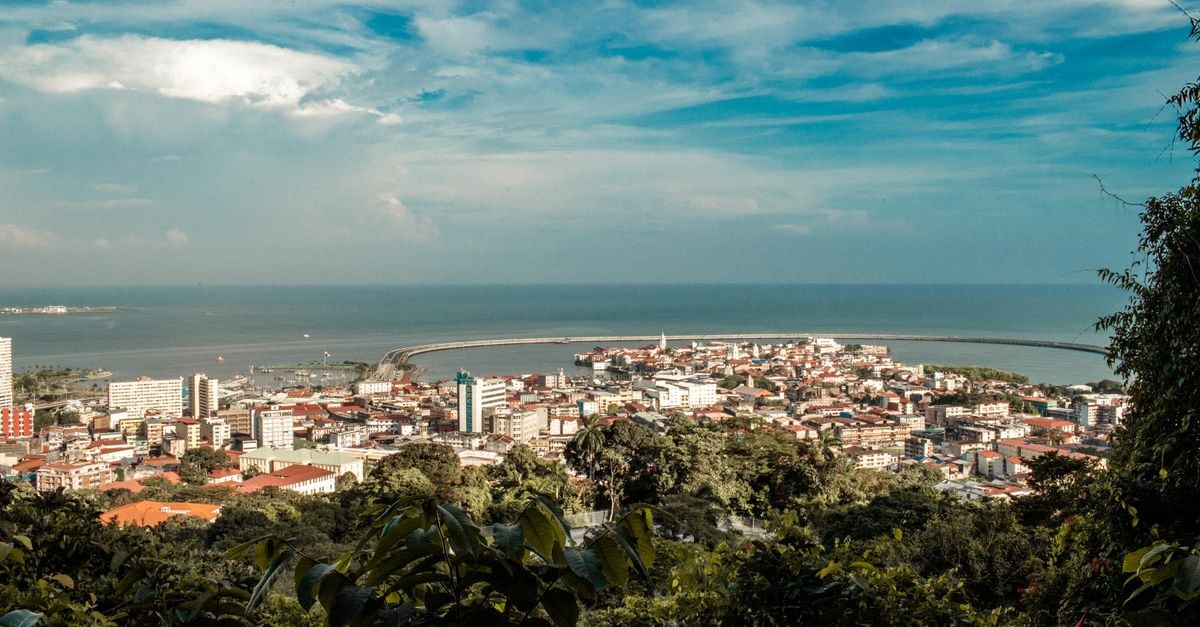
Palmira's nickname as the "Agricultural Capital of Colombia" and its position at the heart of the national sugarcane sector shape what you will see in the surrounding landscape, including how the sky, the fields, and the cityscape read together.
A city built on sugarcane and research
Palmira's identity is rooted in agriculture. It is recognized as the centre of Colombia's sugar-cane sector, which is visible not just in the surrounding fields but in the rhythm of the working week and the character of the local economy. For travelers, that means the most authentic experiences tend to lean into this heritage: agro-tourism routes, hacienda landscapes, and the kind of rural edges where horseback riding, farmland, and old colonial architecture meet.
The city is also home to CIAT, the Centro Internacional de Agricultura Tropical, one of the world's leading tropical agriculture research institutions. You don't need to visit the campus to feel its presence, but it explains why Palmira attracts international researchers, agricultural students, and a steady flow of visitors interested in how food and farming futures are being shaped in the tropics.
For independent travelers who like places with a clear story, Palmira offers something rarer than a list of headline attractions: a working city whose economy, landscape, and identity are visibly connected.
Getting around
Palmira is a notably flat city, which makes it one of the easier Valle del Cauca destinations to navigate on foot or by bicycle. The flat sugarcane countryside that surrounds the urban core is part of the same geography, so cyclists and horseback riders tend to feel right at home here. Palmira has long carried a reputation as a land of palm trees and bicycles, and that everyday cycling culture still shapes how people move through the center.
In terms of regional position, Palmira is roughly 23 km from Cali, the Valle del Cauca capital. That proximity matters more than it might seem: Palmira often functions as a calmer, more grounded base for visitors who want Valle del Cauca context without the pace and scale of Cali itself. Travelers who like to pair a quieter base with bigger-city energy will find the distance easy to bridge for a day visit.
If you are thinking about how to use Palmira on a broader Valle del Cauca itinerary, the practical framing is simple. Spend time in the city itself, then lean on its flat, bike-friendly geography for short outings into the surrounding countryside. The trade-off is not "stay or go" but "where to anchor," and for travelers who prefer slower mornings, agro-tourism stops, and a strong sense of place, Palmira holds up well as a base.
Local identity and traveler etiquette
As the second most important city in Valle del Cauca, Palmira carries regional weight without the overwhelming scale of Cali. It is known locally as the Valle del Cauca department's "windy city," a nod to the breezes that move across the flat valley floor. Visitors often notice that the pace feels distinctly Valleño: warm, conversational, and proud of local customs and traditions that have been carried into the present day.
A small amount of cultural awareness goes a long way here. Colombians generally greet with warmth and personal connection, and a friendly attitude is appreciated more than polished Spanish. When visiting haciendas, working farmland, or agricultural sites, ask before photographing people or private property. Tipping norms in Colombia typically include a small service addition at sit-down restaurants, and modest tips for guides and drivers are a thoughtful gesture rather than an obligation.
Colombia's food culture is rich and regional, and visitors to Palmira will naturally encounter broader Valle del Cauca and Colombian staples as they eat their way through the city, from hearty soups and rice dishes to fresh tropical fruit. Palmira's own culinary identity is closely tied to its sugarcane roots and the agricultural Valle del Cauca plate, so eating locally often means eating close to the land.
A practical note before you go
Travel conditions in any Colombian city can shift quickly, from transport schedules to opening hours and seasonal weather. Treat the framing in this guide as a starting point, and check official channels, current government travel advisories, and up-to-date local sources before you travel. Rates and prices, where relevant, are reference points only and should be confirmed closer to your trip.
That said, Palmira's appeal is durable. A working sugarcane city with strong Valle del Cauca identity, an easy 23 km hop from Cali, flat streets made for walking and cycling, and the kind of agro-tourism landscape that rewards a slower day. For travelers who want a Valle del Cauca experience beyond the usual anchors, it is a quietly confident choice.
Share this article
TOOLS FOR THIS PLAN
Make the Palmira plan measurable
Choose a tool only when it answers the next question in your trip. Your values stay in the browser, and each tool offers a route back to this planning context.