A first look at Buenaventura

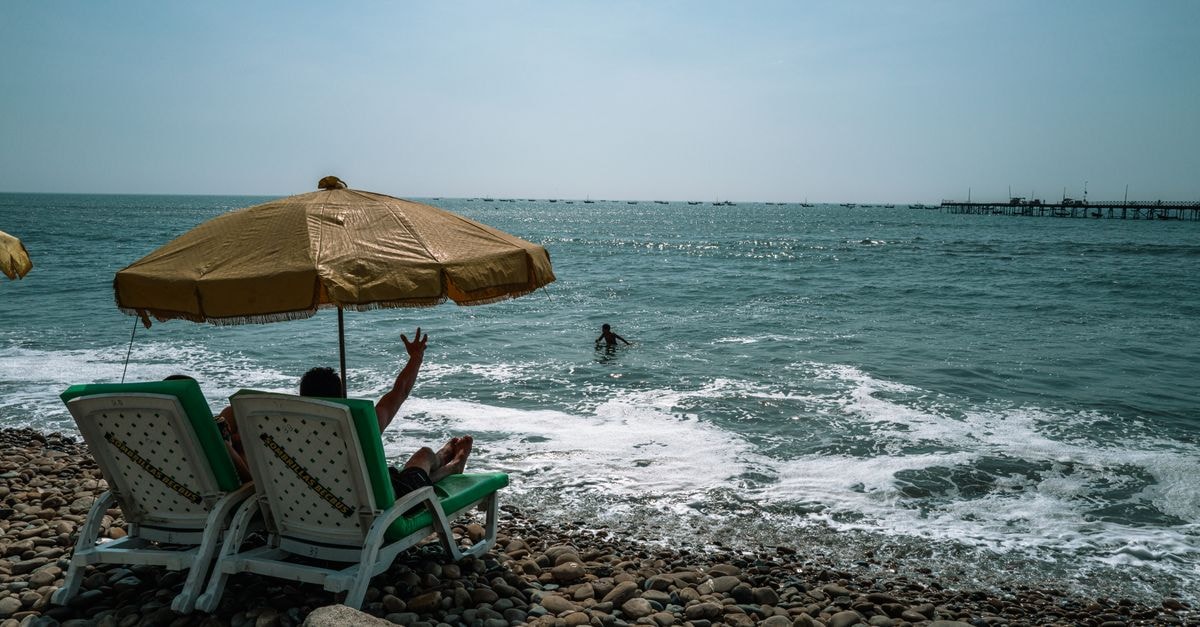
Buenaventura sits on Colombia's Pacific coast and carries the rhythm of a working port city rather than a polished resort town. The waterfront hums with harbor activity, and conversations drift between fishermen, traders, and travelers catching boats toward coastal villages. Two travel profiles describe the city as a place where visitors come for Afro-Colombian music scenes, seafood at harbor stalls, and boat trips that wind through mangrove channels toward offshore islets. It is the kind of place that rewards travelers who arrive curious about everyday coastal life rather than looking for a checklist of polished attractions.
At the same time, the same sources that highlight the city's appeal also flag serious safety concerns. Both approved notes describe Buenaventura as unsafe in many areas, with high levels of violent crime and gang activity in parts of the city, and one recommends exercising extreme caution or avoiding non-essential travel. That tension between a vibrant cultural identity and a difficult security profile is the single most important thing to understand before planning a visit, and it shapes how most travelers approach the city, including where they base themselves, how they move, and how much time they spend on the ground.
Getting around the city
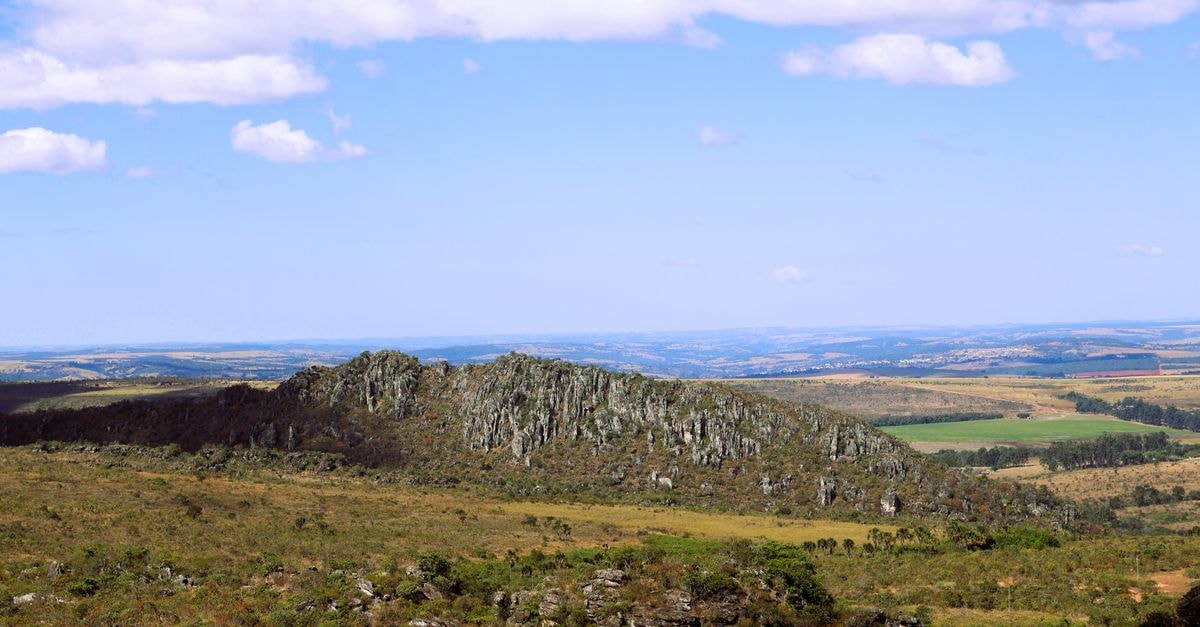
The geography of Buenaventura is unusual and worth grasping early. The most developed part of the city is built on Cascajal Island, while large portions of the surrounding land area are rural, with small villages scattered throughout the rest of the municipal territory. Approaching the city from inland, travelers will notice that it lies only a few miles from the western cordillera of the Andes mountain range, in the same department as the major city of Cali, the Valle del Cauca capital. That proximity to the mountains, combined with the island-style layout of the urban core, gives the city a layered feel where dense streets, harbor infrastructure, and quieter rural edges meet in quick transitions.
Moving through the city is shaped by that island geography. The main urban services, commerce, and waterfront life concentrate on Cascajal Island, while many of the surrounding areas remain sparsely populated. The wider destination context for the Valle del Cauca department describes lands covered with forests, rivers, and bays where the pace is gentler than in a typical Andean city, and where the clock seems to slow down. Within Buenaventura itself, this translates into a city where the rhythm of boats, markets, and the surrounding nature tends to overlay the usual bustle of a Colombian port.
Independent travelers should plan their movements around this layout. Most of the practical city experience, including harbor-side activity and the points from which boats depart, sits on Cascajal Island, so it is sensible to choose a base there and to treat the broader rural municipality as a place you only enter with guidance, local knowledge, or an organized plan. Because of the safety warnings in the approved evidence, getting around confidently is less about memorizing routes and more about staying in the developed core, asking accommodation staff for current advice, and avoiding the impression that you are wandering into unfamiliar neighborhoods without a clear purpose.
Weather and seasonal context
Buenaventura's climate is shaped by its position on the Pacific coast, where the rainforest meets the sea. The approved background sources describe the surrounding landscape as a natural setting of forests, rivers, and bays where the pace of life is slower, and the weather is one of the main reasons that pace feels the way it does. Rather than fighting the conditions, it is easier to lean into them: plan outdoor activities for the clearer windows, keep indoor or sheltered options in mind for the wetter periods, and treat the climate as a feature of the destination rather than an obstacle.
The rain pattern also affects how the city feels from one hour to the next. A bright morning around the harbor can give way to a heavy downpour, followed by a softer, steamy afternoon. That rhythm is part of what gives the Pacific coast its character, and it is the same climate that supports the mangrove channels and coastal ecosystems that visitors come to experience by boat. Travelers should expect the kind of weather that calls for quick-drying clothing, a reliable rain layer, and footwear that handles wet pavement without becoming uncomfortable by midday. Between sudden showers, the heat tends to return quickly, so dressing in light layers that can be shed or added as conditions shift is a more practical approach than packing for a single temperature.
For visitors thinking about timing, the practical reality is that the available background sources describe a place shaped by forests, rivers, and bays under consistently wet conditions rather than pointing to any specific dry season. That makes Buenaventura a destination where the question of when to go matters less than the question of how to prepare, and where a flexible, rain-ready approach will serve you better than chasing a specific forecast.
Safety and how to plan your time
The safety picture in Buenaventura is the part of any trip that demands the most attention, and it is the reason this guide keeps the practical advice focused and cautious. Both approved sources describe the city as risky, with high crime and violence in parts of the city, and one recommends avoiding non-essential travel altogether. Those are not minor caveats, and they should be read as the starting point for any plan rather than a footnote to add later.
A practical mindset for the Pacific port
Above all, keep the perspective that Buenaventura is a working port with a deep cultural identity, not a polished tourist center. The seafood at harbor stalls, the Afro-Colombian music scenes, and the boat trips into coastal villages and mangrove ecology are the reasons people find their way here, and they are the same reasons careful planning matters. Travel in with realistic expectations, a flexible attitude toward the weather, and a clear respect for the current safety advice, and the city can offer a genuinely different window onto Colombia's Pacific coast.
> A quick verification note: factual travel conditions can change, and official channels should be checked before departure.
Share this article
TOOLS FOR THIS PLAN
Make the Buenaventura plan measurable
Choose a tool only when it answers the next question in your trip. Your values stay in the browser, and each tool offers a route back to this planning context.