Getting around

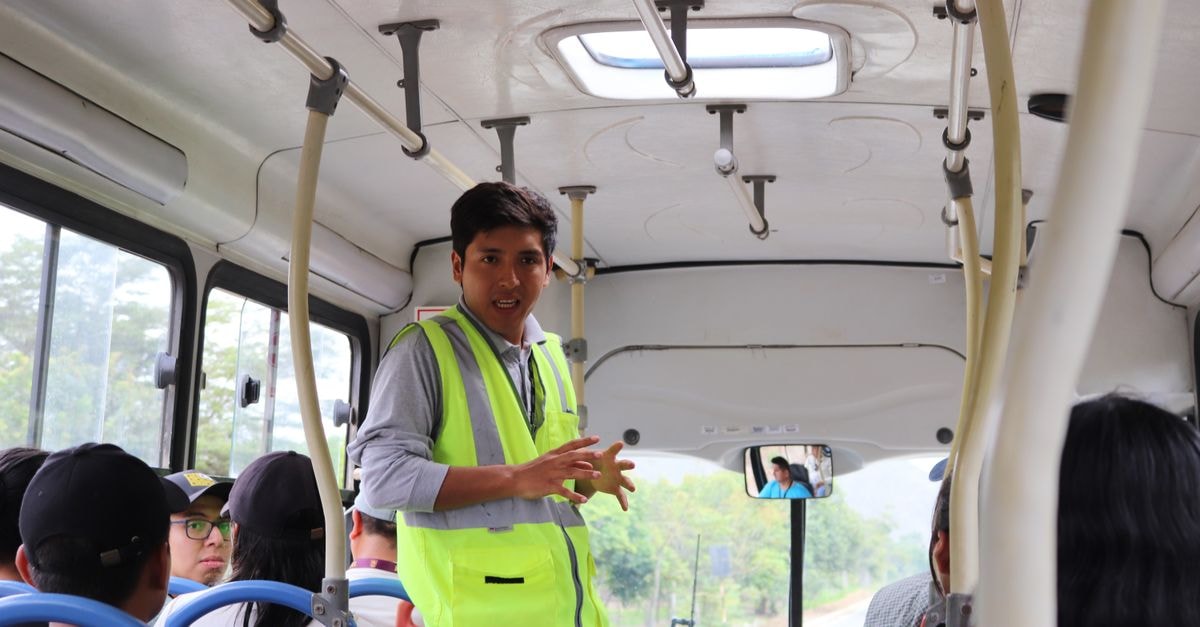
Petah Tikva is served by multiple public transport operators, with bus routes and stops weaving through the city and out toward neighboring areas. For travelers who prefer not to rent a car, this network is the backbone of getting around, and it pairs naturally with the wider national system.
A particularly useful detail for any visitor is that Petah Tikva's local transport integrates with Israel Railways through the national Rav-Kav contactless smart card. That means a single Rav-Kav card can be tapped across buses and trains, allowing smooth transfers between modes and supporting multi-modal travel without juggling separate tickets or operators. For travelers arriving by rail, or planning to combine a city day with a rail-based excursion elsewhere in central Israel, that integration removes a layer of logistical friction.
Because the city itself is spread across distinct neighborhoods, the bus network tends to be the most practical way to reach specific destinations like the museum, shopping areas, and market streets, and it is worth checking the relevant operator's timetables before setting out. Travelers who prefer the simplicity of a single rechargeable card over cash or multiple ticket apps may find the Rav-Kav approach especially convenient.
Attractions and planning
For visitors deciding what to prioritize, the Petah Tikva Museum of Art is widely described as a must-visit cultural stop, and it sits within easy reach of the city's leafy boulevards and surrounding markets, which gives travelers a natural way to combine an indoor art visit with a relaxed outdoor walk afterward.
Planning a day in Petah Tikva tends to be straightforward rather than complicated. The city offers a compact set of attractions clustered around recognizable districts, alongside shopping centers, parks, and casual gathering spaces. Travelers who like to build their day around a single cultural anchor, with everything else orbiting it, may enjoy starting at the museum and then drifting outward toward the markets and boulevards on foot.
Two practical notes shape the experience. The first is that Petah Tikva is a modern, functional city, and its appeal lies in everyday Israeli urban texture rather than headline monuments. The second is that information about the city is constantly evolving, so visitors are wise to verify current opening hours and any ticketing details through official channels before finalizing plans, since on-the-ground conditions can shift.
Food and local context
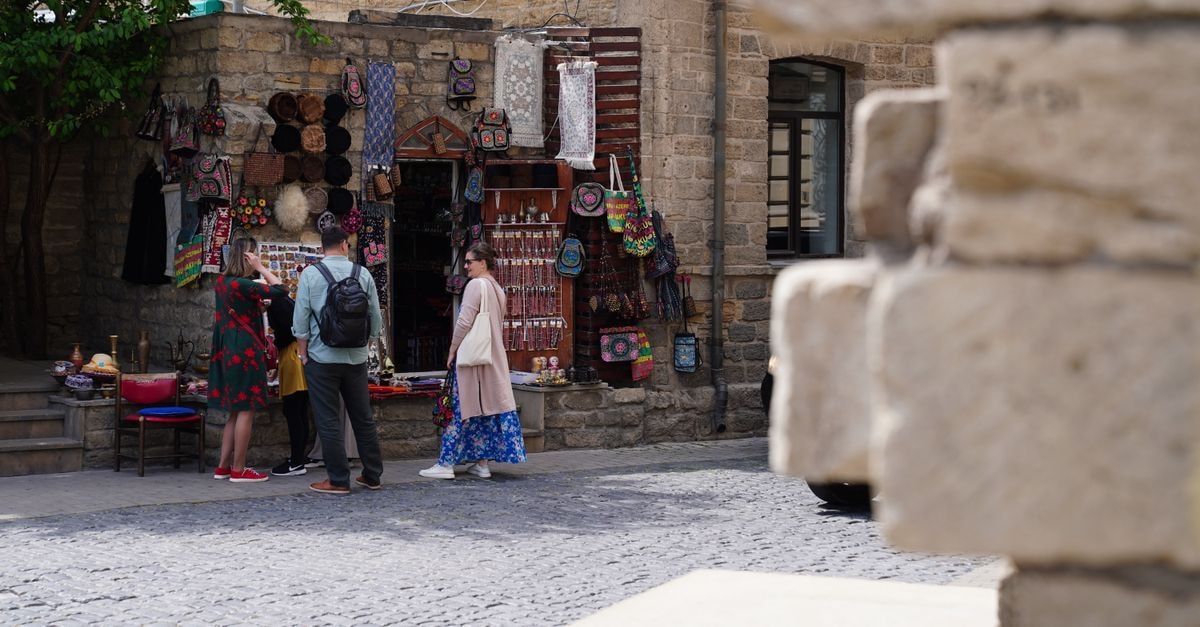
Petah Tikva's food scene is best understood as part of a wider Israeli story. Across Israel, casual dining tends to revolve around small plates, fresh salads, warm pita, and shared breakfasts, and visitors to Petah Tikva will encounter that same rhythm in local cafés and market-area eateries. Two dishes that consistently show up on tables nationwide are hummus and shakshuka, both often served with a local twist in market restaurants around the city's leafy boulevards.
Within Petah Tikva itself, dining tends to be informal and neighborhood-focused. The city's modern infrastructure includes supermarkets that stay open late, shopping malls such as the Petah Tikva Mall, and a steady retail presence, which together make it easy for travelers to assemble a quick meal, a long lunch, or a relaxed coffee break at almost any hour. Beilinson Hospital anchors part of the city's healthcare footprint, and the same well-serviced suburbs that support daily life also support visitors who want reliable, walkable conveniences.
One small nuance for travelers: like most Israeli cities, Petah Tikva's roads can feel congested during peak commute hours, so planning market or museum visits around those windows, or leaning on the bus network and Rav-Kav card instead of driving, can make a noticeable difference to the day.
A few practical notes for the trip
Petah Tikva works well as a flexible base or a single-day stop within the central district. Travelers who enjoy combining an art museum visit with casual market wandering and easy onward transit may find the city fits neatly into a broader Israel itinerary. Visitors who prefer a denser, more concentrated historic core may want to pair Petah Tikva with older neighboring cities for a fuller picture of the region.
A useful rhythm is to anchor the morning around the Petah Tikva Museum of Art, spend the midday exploring adjacent markets and leafy streets, and use the Rav-Kav card for any onward travel, whether toward nearby suburbs, the coast, or Tel Aviv-bound rail connections. Travelers who prefer not to rely on a car, or who appreciate the simplicity of one smart card across buses and trains, may find this approach especially easy.
Because Petah Tikva is a working city first and a tourist destination second, the most rewarding visits tend to be the ones that leave room for slow browsing, café stops, and unplanned turns down leafy side streets.
A note before you go
Travel conditions, transport schedules, and opening hours can change, and the information here reflects the broader city rather than any specific booking or reservation. Visitors are encouraged to verify current details through official transport operators and the museum's own channels before finalizing plans, and to treat any framing as a reference rather than a guarantee.
Share this article
TOOLS FOR THIS PLAN
Make the Petah Tikva plan measurable
Choose a tool only when it answers the next question in your trip. Your values stay in the browser, and each tool offers a route back to this planning context.