A slow introduction to Borujerd

Tucked into the folds of western Iran, Borujerd has the feel of a city that rewards unhurried wandering. The historic heart is compact enough to explore on foot, while the surrounding landscape opens dramatically toward the Zagros range. For travelers who like cities where tradition is still woven into daily life rather than only displayed in museums, Borujerd offers an authentic rhythm: a labyrinth of lanes, a working bazaar, and tables set with familiar Iranian flavors.
This guide focuses on what is genuinely supported about Borujerd itself: its position on western travel routes, the character of its old quarter, the mountains that frame it, and the food that locals are known for eating. It is meant for visitors who want a grounded, practical sense of the city before they arrive.
Getting around and arriving
Borujerd sits on a network of roads that link it to several larger Iranian cities. The Wikivoyage route map shows Borujerd connected along a corridor that also touches Hamadan, Arak, Khorramabad, and extends south toward Ahvaz and Khorramshahr, with Qom and Takestan appearing on parallel lines via Hamadan and Arak. In practical terms, that means Borujerd is approached overland, usually by road, and functions as a waypoint or a base depending on whether a traveler is moving north–south or east–west through western Iran.
If you are coming by rail, the relevant connection point is Dorud, which is described as being connected to the National Railway. Dorud is a separate town, not a Borujerd station, and travelers planning a train approach should treat it as the nearest rail gateway rather than a same-city stop. For road arrivals, the road network sketched in the same guide indicates that Borujerd is reached by continuing along routes that pass through Arak from the Qom direction, or through Khorramabad from the south, with Hamadan to the north.
A small piece of traveler-fit context: if you prefer road travel with the flexibility to stop in smaller towns along the Zagros foothills, Borujerd fits naturally into a route that includes Arak, Khorramabad, or Hamadan. If you prefer arriving by rail, consider Dorud as your gateway and plan a short onward transfer.
Attractions and planning
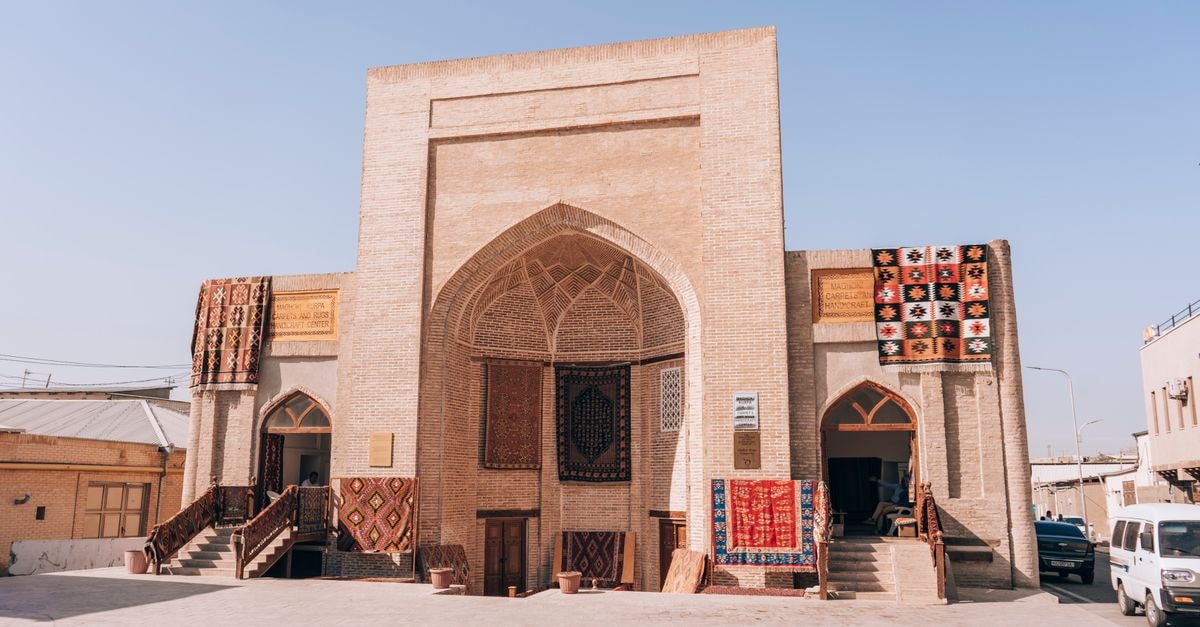
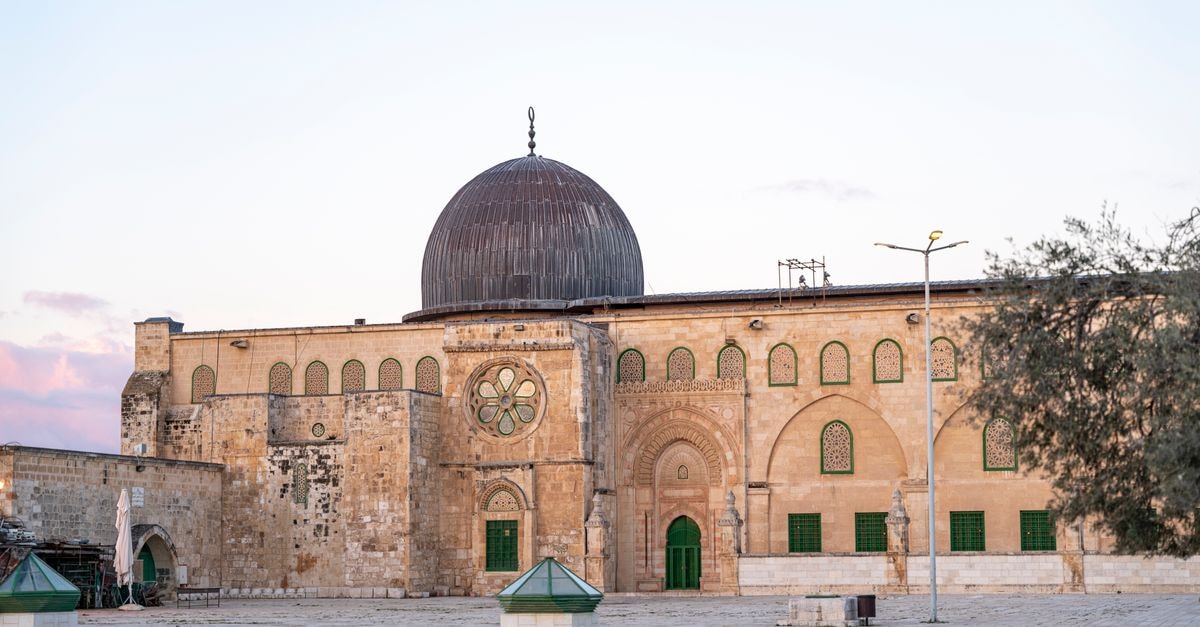
Borujerd's signature attraction is its historic Old City and Bazaar. According to one city guide, the Old City is a labyrinth of narrow streets, traditional houses, and bustling markets, which gives the area a layered, lived-in character rather than a preserved-museum feel. Visitors who enjoy walking through working bazaars where locals still shop, eat, and meet will find this neighborhood the most rewarding part of the city to spend time in. The narrow lanes also make it a natural place for slow photography and casual people-watching.
Beyond the old streets, the broader landscape is one of the main draws. The Zagros Mountains are described as one of the main attractions around Borujerd, with the mountain range shaping both the scenery and the climate of the area. Travelers who appreciate scenery, geology, or simply a backdrop of high ridges rising above a lowland city will find Borujerd a visually striking base. The mountains also suggest possibilities for viewpoints and short excursions outside the urban grid, though specific trails, viewpoints, and access points are not detailed in the available guidance.
For practical planning, treat the Old City and the Zagros horizon as your two anchors: one for cultural texture, the other for natural scale. If you prefer a destination where you can pair a walking city morning with an open mountain afternoon, Borujerd's compact layout makes that combination realistic within a single day.
One small FAQ-style question worth raising before you go: confirm the current opening status and any access conditions for the Old City lanes and bazaar with a local source, since the available guide treats this area as a major sight without detailing daily hours.
Food and local context
Food in Borujerd is presented as part of the city's cultural fabric. According to one Borujerd food overview, the city offers a wide range of dishes that reflect the region's rich cultural heritage, and the same source notes that the city is also known for refreshing beverages alongside its meals.
The specific dish most often named as Borujerd's most popular food is kebab, served with sangak bread, doogh, and fresh herbs. Sangak is a traditional flatbread baked on a bed of small stones, while a glass of doogh offers a yogurt-cucumber-mint pairing widely associated with grilled Iranian meals. The combination of kebab, sangak, doogh, and herbs is presented as a recognizable local plate rather than a single signature recipe. Travelers who enjoy grilled meat dishes served with flatbread and a savory yogurt drink will find this combination easy to seek out and easy to enjoy.
Within Iran more broadly, dining is treated as part of city culture, and sharing a meal is a common way to engage with daily life. For visitors, that means eating locally in Borujerd is not only about the food itself but also about the social setting in which it is served.
Picking what fits your trip
Borujerd suits travelers who enjoy cities where the old quarter is still a working neighborhood, where a single walk can carry you from bazaar stalls to quiet lanes to mountain viewpoints. It may suit travelers planning a longer western Iran loop that includes Arak, Khorramabad, or Hamadan, since the road links are explicit. It may suit travelers who prefer arriving by rail via the nearby Dorud connection. It may suit visitors who enjoy grilled kebab, sangak bread, and doogh as a familiar, easy-to-order local meal. Travelers who prefer larger modern transit stations on site, dense museum offerings, or a fully paved waterfront promenade should reconsider the match, since the documented character of Borujerd centers on its old lanes, bazaar life, and grilled local food rather than on contemporary urban infrastructure.
A note before you go
Borujerd is best approached as a city of small pleasures: a slow morning in the old bazaar, an afternoon with the Zagros in view, and an evening meal built around kebab and sangak. Because conditions on the ground can change, including transit availability at Dorud and access within the Old City, it is worth confirming current details through official or local channels before you travel. Treat the figures and references here as a starting frame for planning, and check live information closer to your trip.
Prices, opening hours, schedules, reservation rules, and local conditions can change; verify them through official channels before departure.
Share this article
TOOLS FOR THIS PLAN
Make the Borujerd plan measurable
Choose a tool only when it answers the next question in your trip. Your values stay in the browser, and each tool offers a route back to this planning context.