The quiet capital of KwaZulu-Natal

Pietermaritzburg carries the weight of 1838 in its streets, and that history lingers in every brick of its Victorian-era buildings. Founded in 1838, the city sits within the Msunduzi Municipal boundary and serves as the capital of KwaZulu-Natal, the second-largest urban presence in the province. There is a settled, almost scholarly feel here that rewards travelers who like to linger rather than rush. If you prefer places where you can wander, read a plaque, and feel the past without a queue forming behind you, this is one of those South African cities that may suit that pace of travel.
Weather and seasonal context
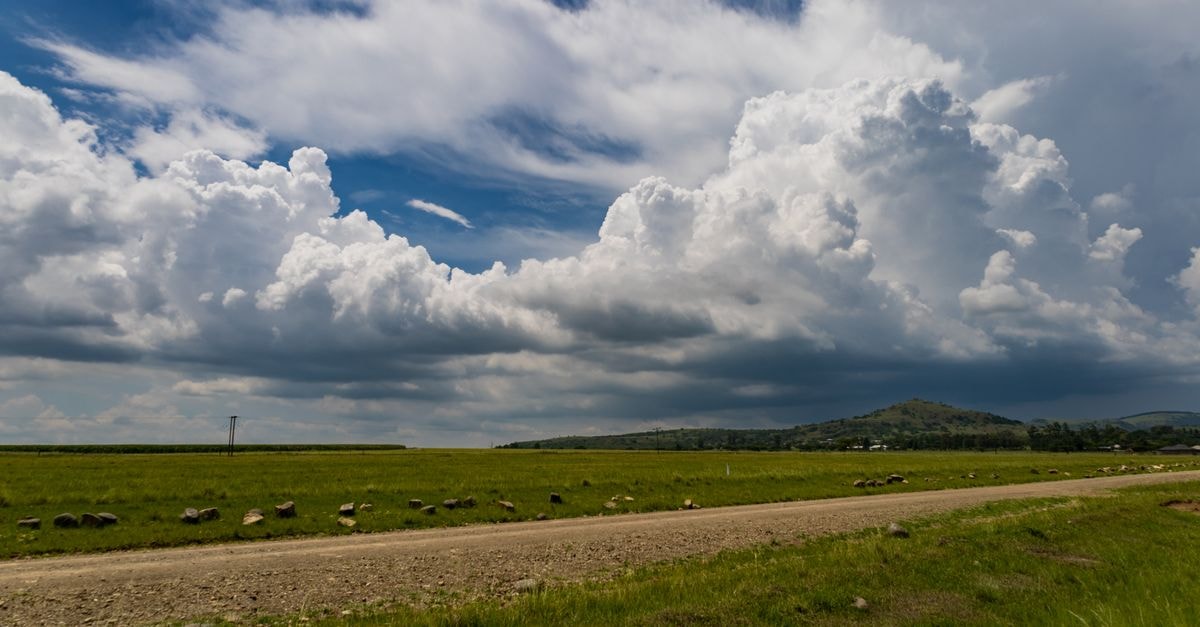
The Midlands setting gives Pietermaritzburg a temperate climate, and visitors often describe the air as gentler than the coast. Because the city is described as deeply historical and characterized by museums and perfectly preserved Victorian architecture, much of the sightseeing unfolds outdoors on foot between buildings, gardens, and monuments. Travelers who prefer mild conditions for walking tours between heritage sites may find this climate appealing. A practical tip for anyone spending long days outside: pace yourself, carry water, and plan for the possibility of an afternoon shower rolling in from the surrounding hills. Conditions can feel changeable, so layering is usually wiser than a single outfit.
For broader planning, the official Pietermaritzburg directory at the city's tourism portal is the most reliable starting point for current listings and travel information. Check it before your visit for any updates that might affect your day.
Attractions and planning
The city is, at its core, a heritage destination. Pietermaritzburg is characterized by museums, historical routes, and perfectly preserved Victorian architecture, which gives independent travelers a natural structure for their visit: pick a museum or two, walk between them, and let the architecture do the storytelling. The Msunduzi Museum complex anchors much of this experience, and for visitors who prefer context over checklists, it offers a focused way into the city's founding and political history.
Cultural programming is part of the city's rhythm. The Art in the Park annual exhibition has been taking place in Pietermaritzburg since 1962, making it one of the longer-running open-air art traditions in the country. Travelers with an interest in contemporary South African art, or simply those who enjoy browsing public exhibitions in a park setting, may want to time a visit around this recurring event. The city's tourism association regularly posts upcoming events in the PMB and surrounding area, so checking the official site in advance can help align a trip with what's on. Treat any specific date as something to confirm rather than assume.
Because much of the appeal lies in walking between well-preserved buildings and gardens, comfortable shoes and a slow morning start tend to serve visitors better than a packed timetable. Travelers who prefer guided historical context may want to ask locally about heritage tours that interpret the Victorian streetscapes.
Food and local context
Pietermaritzburg shares many culinary traditions with Durban, including the widespread prominence of Indian-inspired dishes. This is wider South African context that visitors may encounter throughout the city, from casual takeaway spots to family-run kitchens. For travelers who enjoy tracing how migration and trade shape a regional menu, the cross-pollination with Durban is one of the more interesting threads to follow.
At the same time, the dining scene leans more toward everyday neighborhood establishments than destination restaurants. Pietermaritzburg has limited dedicated fine-dining restaurants, which means the city's food culture tends to be experienced through local favorites rather than tasting menus. Travelers who prefer relaxed, informal meals over white-tablecloth formality may find this more rewarding; those who specifically seek a polished fine-dining evening should set expectations accordingly and confirm options in advance.
A practical approach is to balance one or two memorable sit-down meals with plenty of casual stops along the way. Markets, bakeries, and small eateries often tell you more about a city than a single signature restaurant, and that is especially true here.
Finding what fits your trip
For most travelers, the question is not whether to visit Pietermaritzburg, but how to shape the visit. Heritage-focused travelers who enjoy museums, walking, and architecture will find the city's character richly rewarding, especially with a slow morning pace and an eye for Victorian detail. Art-minded visitors may want to align a trip with the Art in the Park exhibition or check the events calendar ahead of time. Food travelers will likely enjoy tracing the Durban-influenced culinary traditions through casual local spots rather than seeking fine dining. Those who prefer a quieter base with deep history may find Pietermaritzburg a good fit; visitors specifically looking for a polished fine-dining scene or large-scale nightlife may want to reconsider the city's profile and plan accordingly. In every case, the tourism association's official listings are the most reliable starting point for current information.
A note before you go
Factual travel details can change, and conditions on the ground may differ from what is described in any guide. Treat opening hours, event schedules, and dining availability as starting points rather than guarantees, and confirm them through official channels close to your travel date. Currency rates, when relevant, should always be checked against the live rate on the day. A little preparation goes a long way in a city built on slow looking.
Share this article
TOOLS FOR THIS PLAN
Make the Pietermaritzburg plan measurable
Choose a tool only when it answers the next question in your trip. Your values stay in the browser, and each tool offers a route back to this planning context.