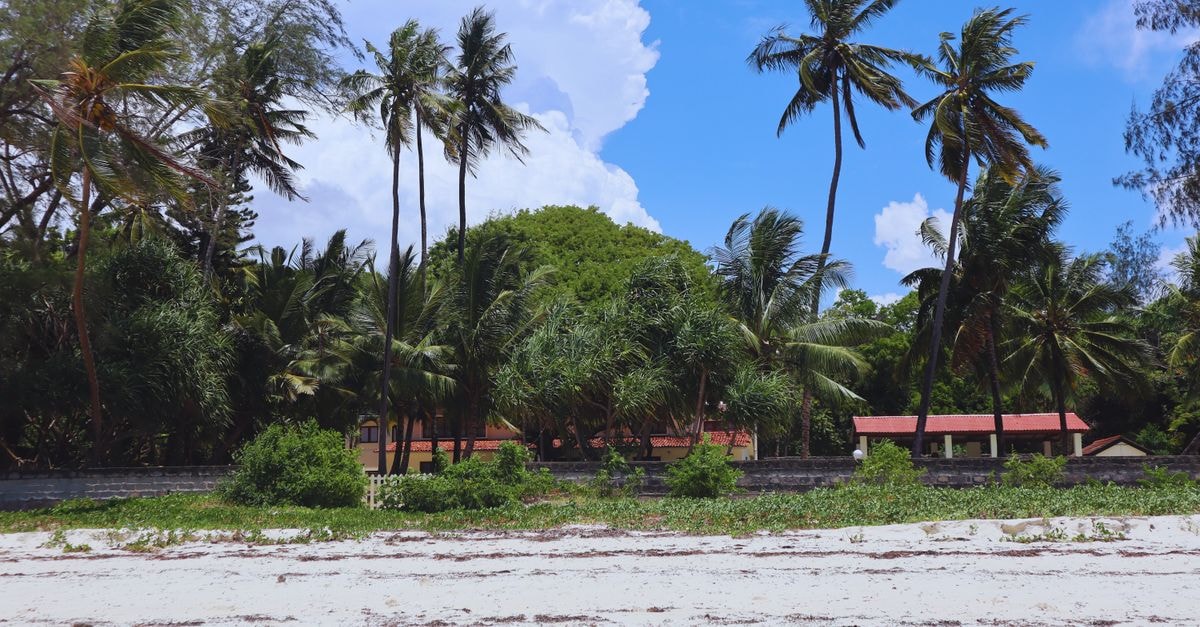
Durban, at the meeting point of ocean and Zulu kingdom

Durban sits on South Africa's eastern seaboard, where the warm Indian Ocean laps against the edge of KwaZulu-Natal. Often described as South Africa's surf city and gateway to the province, it carries a layered identity that blends Zulu heritage, colonial-era architecture, and a large Indian-South African community into something distinctly its own. Unlike Cape Town, Durban rarely gets the polished postcard treatment, and that is part of the appeal for travelers who like a coastal city with personality rather than a perfectly curated stage set.
This guide is written as durable city advice, useful whenever you decide to visit. It focuses on the kind of practical, traveller-facing information that tends to hold true across seasons: how the climate generally feels, how the city is shaped, and how the urban fabric of Durban invites you to move between beachfront promenades, inner-city markets, and restaurant-lined evening streets.
Weather and seasonal context
Durban's coastal climate is shaped by its position on the Indian Ocean coast of KwaZulu-Natal. Because this guide is written as evergreen city advice rather than tied to a specific month, the safest way to plan is to think in terms of the city's general feel rather than a forecast.
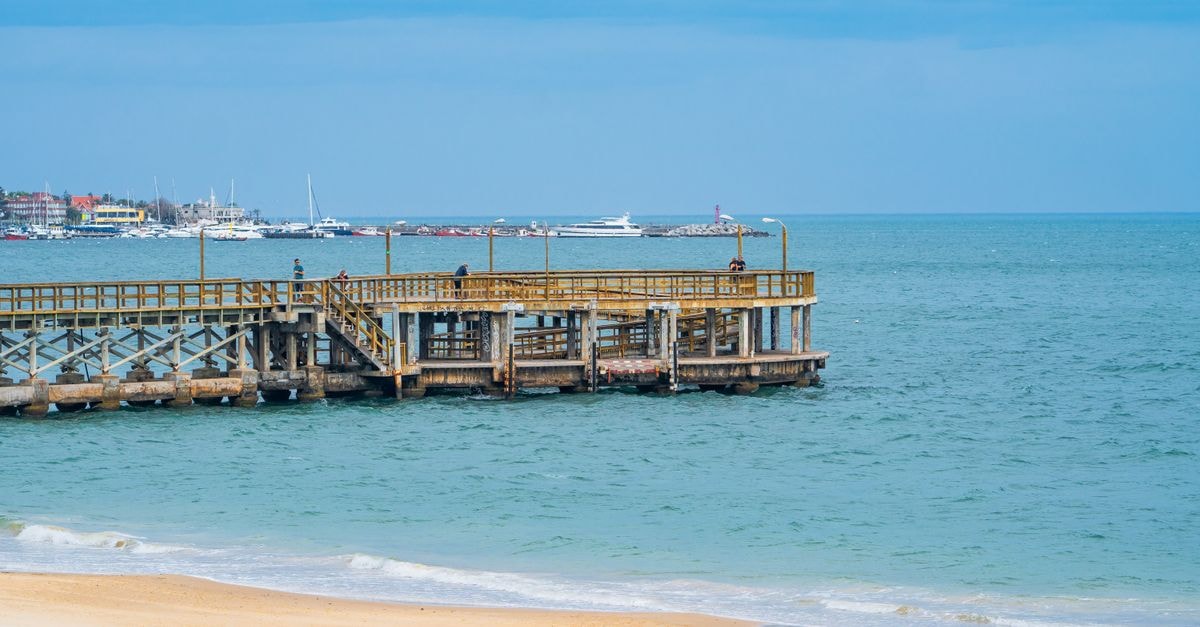
Coastal KwaZulu-Natal is known for miles of unspoiled shoreline, and Durban sits at the heart of that coastline. The warm, humid subtropical conditions found along this coast shape how most visitors pace their days. Mornings and late afternoons are usually the most comfortable windows for walking the seafront or exploring neighbourhoods on foot, while the middle of the day can feel heavy. Lightweight clothing, sun protection, and a willingness to slow down between activities tend to serve travellers better than a packed midday schedule.
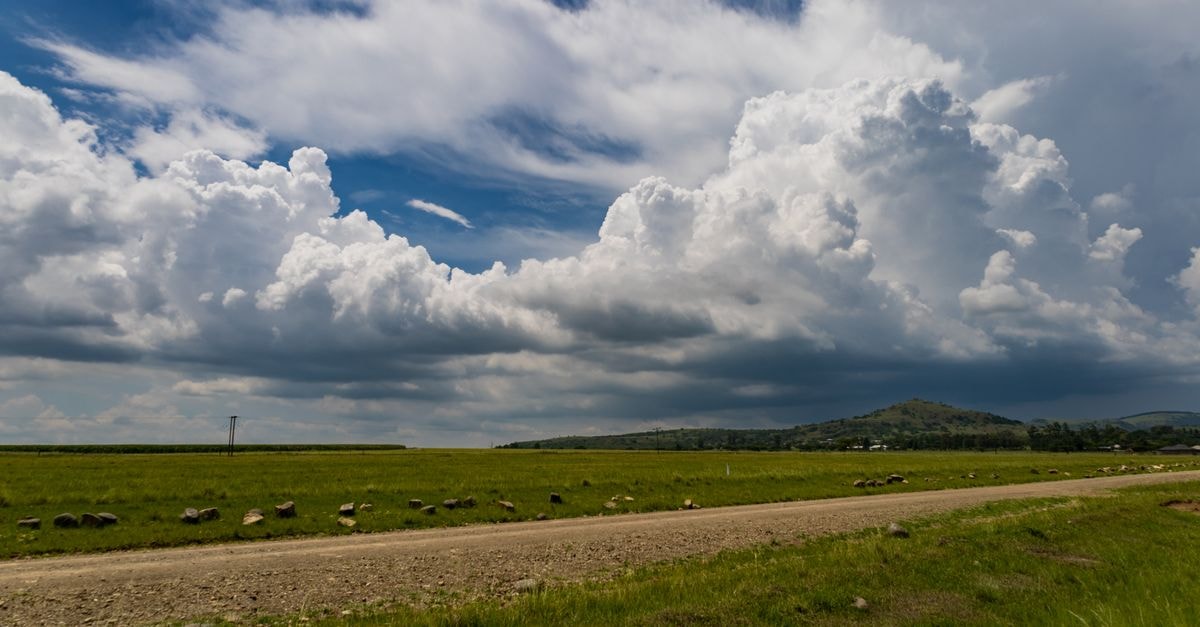
Rain in this part of South Africa is most common in the warmer summer months, and brief tropical showers are possible. If you prefer to plan outdoor wandering around the most reliable weather, consider leaning toward the drier winter months; if you prefer warm ocean swimming and a buzz of activity, the wetter months can still suit you, especially if you build flexibility into your day. Either way, the city's coastal climate means you can almost always find a sea breeze, and the rhythm of the city rewards travellers who treat it like a long, warm stroll rather than a checklist.
Inside the city, a common way visitors experience Durban's variety is by spending an afternoon exploring Victoria Street Market and inner-city sights, then shifting to an evening on Florida Road. That single arc, from bustling market corridors to a restaurant-and-bar strip, captures a useful contrast: one part of the day for sensory overload and souvenir browsing, another for a slower, sit-down meal under the evening air. It's a pattern worth keeping in mind, because Durban rewards dayparts rather than rigid hours.
Because no single month is being targeted here, the practical takeaway is simple: dress for warm and humid coastal conditions, expect the possibility of a passing shower, and let the city's pace set your own.
Getting around
Durban is laid out in a way that makes the relationship between its main experiences fairly intuitive. The beachfront runs along one edge of the city, the central business district and Victoria Street Market sit a short distance inland, and entertainment strips such as Florida Road form their own evening anchor further into the suburbs. For a first-time visitor, the most useful frame is that these are the three places you will likely move between, and the city is compact enough to make that movement feel natural.
Travellers approaching Durban often begin their wider KwaZulu-Natal trip in the city itself, since it functions as the main arrival point for the province. That makes it a sensible base for the first day or two, where you can orient yourself along the coast before deciding how to spend your time inland. For those who want to explore beyond the city on a longer trip, the surrounding province offers mountains in one direction and game reserves in another, but those decisions are best made once you have felt Durban's rhythm in person.
Within the city, the practical approach is to plan your day around two or three anchor points and let the connective time be part of the experience, whether that is a walk along the seafront, a ride between neighbourhoods, or a slow taxi transfer into the evening. Durban is the kind of city where the movement itself, the warm air, the smell of street food, the sound of music drifting from a doorway, is often what visitors remember most.
Choosing what fits your trip
A few tradeoffs tend to shape how Durban feels to different travellers, and it helps to think them through before you arrive.
If you love coastline and want to feel the ocean as a constant companion, base yourself near the beachfront and let the seafront promenade set the tone for slow mornings, swims, and golden-hour walks. If you are more drawn to markets, street food, and the layered cultural history of the city, weighting your time toward Victoria Street Market and the inner city during the day, then drifting to Florida Road in the evening, will likely suit you better. Travellers who arrive in the warmer, wetter months may want to pace outdoor exploration for mornings and late afternoons, while those visiting in the drier season can spread their days more evenly. None of these choices are right or wrong; they simply shape what kind of Durban you take home with you.
A note before you go
Factual conditions, including prices, operating hours, transport options, and seasonal weather, can change. Treat this guide as a starting frame for your trip rather than a final itinerary, and check official tourism and transport channels closer to your travel date for the most current information before making bookings or setting out for the day.
Prices, opening hours, schedules, reservation rules, and local conditions can change; verify them through official channels before departure.
Share this article
TOOLS FOR THIS PLAN
Make the Durban plan measurable
Choose a tool only when it answers the next question in your trip. Your values stay in the browser, and each tool offers a route back to this planning context.