A Slow-Look Introduction to Newcastle

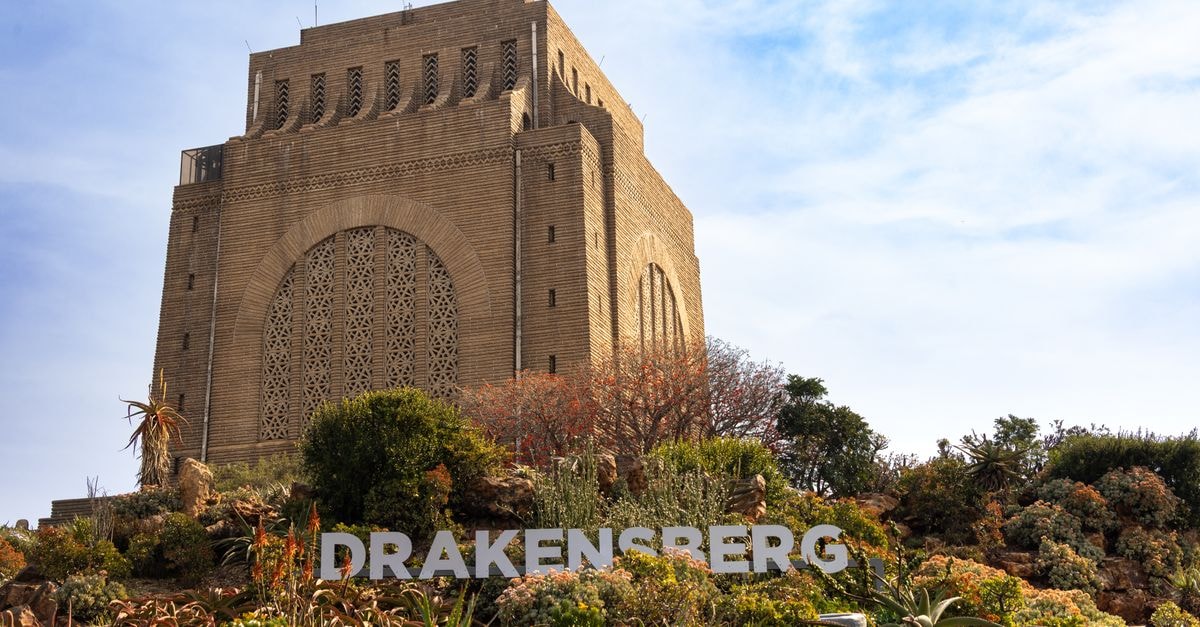
Tucked into the foothills of the Drakensberg, Newcastle carries the feel of a working South African town rather than a polished tourist stop. Travelers who land here tend to be passing through, road-tripping the N3 corridor between Gauteng and the coast, or drawn by the wider Battlefields region that KwaZulu-Natal is known for. The city moves at an unhurried pace, and that, in many ways, is its charm. You can wander without a packed agenda, popping into local cafés, watching the light shift over the mountains, and easing into a rhythm that feels far from city rush.
This guide leans into that mood. It gathers what is genuinely useful for a traveler planning time in Newcastle, from how the seasons shape a visit to how you'll actually move around once you arrive. It is written as evergreen city guidance, so the focus is on durable information rather than short-lived tips.
Weather and Seasonal Context
Newcastle has a varied climate through the year, and the local tourism score, which weighs temperature and precipitation, points to the warmer stretch between late December and late April as the most pleasant period for warm-weather activities. If your plans revolve around being outdoors in mild conditions, that window is worth thinking around. Outside of those months the climate can feel cooler, especially in the evenings, so layering becomes more important than packing for a single temperature.
Because weather scores are calculated rather than felt, it helps to plan around what you actually want to do. If you are walking between attractions or eating outside, the warmer stretch offers more comfort. If you are happy to settle into a restaurant or a hotel lounge during cooler stretches, those seasons still have plenty to offer. The broader idea is simple: Newcastle rewards travelers who check the season before packing and who pace their days around the temperature rather than against it.
Getting Around
Getting your bearings in Newcastle starts before you even arrive. The city sits on the main passenger railway line between Johannesburg and Durban, which makes the train a viable option if you are coming from either end of that route. Newcastle Airport, coded NCS, also serves the area, giving you a second way in depending on where you are starting from.
Once you are in town, the transport picture is more modest. Minibus taxis are the everyday way that locals move, and they are the backbone of short-distance travel in and around Newcastle. For something more private, metered taxis and ride-sharing services are an option, though their availability in Newcastle is limited, so it is wise to plan ahead and not assume you can summon a car at a moment's notice.
A few things visitors often look for elsewhere are simply not part of the Newcastle transport mix. Tour buses and hop-on, hop-off services are not available in the city, so the sightseeing model of stepping on and off a route does not apply here. Most travelers end up relying on a combination of their own car, arranged transfers, or the local taxi network to piece together a day. If independence matters to you, having your own wheels or a driver on call makes the experience smoother.
Attractions and Planning
Newcastle is framed by its setting. The city sits in the foothills of the Drakensberg Mountains, and that landscape is the headline feature for anyone who appreciates open space. There is also a clear cultural anchor: the broader area is part of KwaZulu-Natal's Battlefields, a region shaped by South African history. That context gives the city a meaningful identity beyond its role as a transit point.
When it comes to attractions and things to do, the local tourism directory lists a small, curated set of options rather than an overflowing menu. Eight things-to-do entries are typically shown for Newcastle, and they lean toward family entertainment and relaxed cafés and eateries rather than blockbuster sights. Gooseberries Restaurant, for example, appears among the listed activities, blurring the line between dining and leisure in a way that feels characteristic of the city. The takeaway for planning is to expect a compact list rather than a long one, and to build your days around fewer, more relaxed stops.
Because the offerings are limited in number, it is worth checking the local tourism site in advance to see what is currently running and what fits your pace. Treat Newcastle as a place to settle in rather than sprint through. A morning walk, a long lunch, and an afternoon spent enjoying the views can easily fill a satisfying day.
Food and Local Context
Eating in Newcastle is generally relaxed and informal, which matches the overall feel of the city. There is no pressure to dress up or follow a formal dining script, and most spots welcome travelers in everyday clothing. The atmosphere leans toward easygoing rather than fine-dining, which is part of the appeal for visitors who would rather spend their energy on exploring than on ceremony.
Specific options for tourists to visit farms or food producers in Newcastle are limited, so do not build a trip around farm-to-table tours. That kind of experience is more available in other parts of KwaZulu-Natal and South Africa at large, where visitors may encounter agricultural visits and producer-led tastings as part of wider food tourism. In Newcastle itself, the focus tends to be on restaurants and casual eateries rather than on the supply chain behind them. The local tourism office lists restaurants alongside accommodation and attractions, which is a useful first stop when you want to map out where to eat and where to sleep in one go.
For broader dining customs and etiquette across South Africa, the prevailing approach visitors may encounter while in Newcastle is similarly informal. Meals are social, tipping is generally appreciated in restaurants, and the rhythm of a long lunch or a late dinner is common. If you are moving between cities, these patterns tend to travel with you, so the etiquette you pick up in Newcastle will rarely feel out of place elsewhere in the country.
A Final Note Before You Go
Newcastle rewards travelers who arrive with realistic expectations. It is not a city of packed itineraries or headline sights. It is a foothills town with a railway connection, a small airport, a handful of attractions, and a relaxed dining scene, all framed by the Drakensberg and the broader Battlefields story of KwaZulu-Natal. Plan around the seasons, sort your transport in advance, and give yourself room to enjoy the slower pace.
Factual travel conditions can change, so it is always worth checking official channels, including the local tourism office and current transport operators, before you finalize plans. With that step in place, Newcastle is an easy, rewarding stop, especially for travelers who enjoy quieter corners of South Africa.
Verification Note
This guide is grounded in approved factual evidence about Newcastle, KwaZulu-Natal. Factual claims about weather, transport, attractions and food reflect the supplied source material and are intended as durable, evergreen guidance rather than a guarantee of current conditions. Readers should verify opening hours, transport availability, and any seasonal details with official channels before traveling.
Share this article
TOOLS FOR THIS PLAN
Make the Newcastle plan measurable
Choose a tool only when it answers the next question in your trip. Your values stay in the browser, and each tool offers a route back to this planning context.