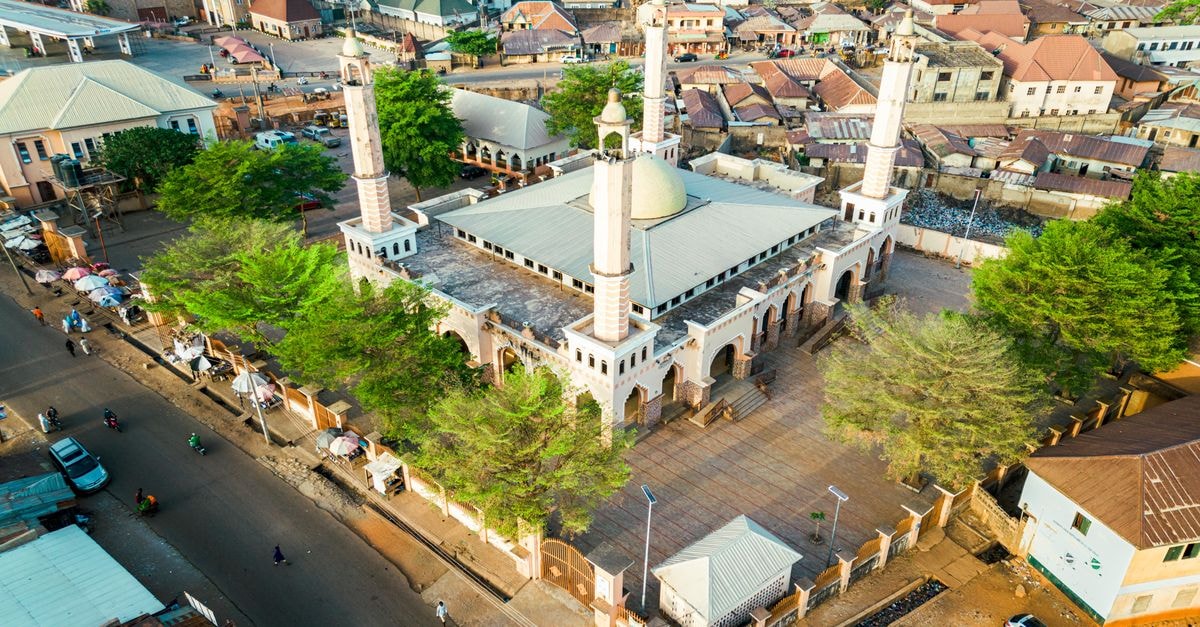
A relaxed riverside city in the countryside

The city also carries one of those small claims to fame that locals love to mention. Piracicaba is regarded as the birthplace of the caipirinha, the cocktail made with cachaça, lime and sugar that has become a near-symbol of Brazil itself. That single fact does a lot to set expectations: this is a city with a sense of identity, a relationship with the land, and a fondness for a drink that is shared across the country. For travelers who like places that feel lived-in rather than curated, the opening impression tends to be welcoming.
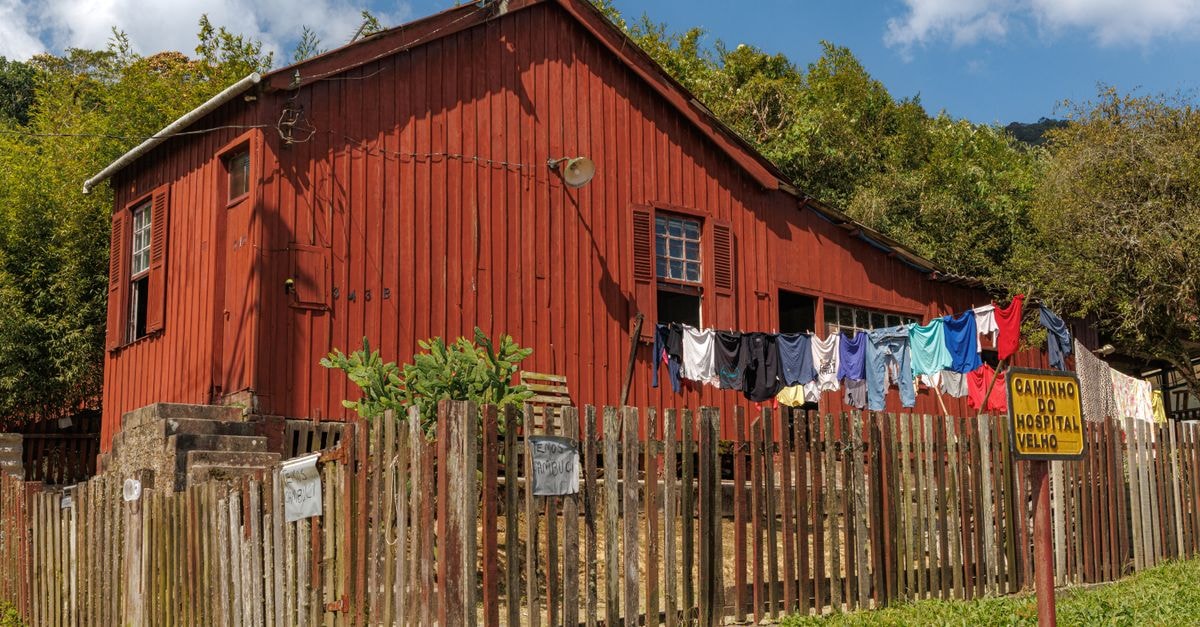
Because Piracicaba is not a major tourist hub, the best way to get oriented is to think of it as three or four gentle centers of gravity rather than a checklist of sights. A riverside area that gives the city much of its visual personality. A historic core with the kind of architecture that rewards unhurried walking. Outlying villages with a Tyrolean heritage that adds an unexpected note to the countryside. And the campus of the agriculture school belonging to the University of São Paulo, which functions almost like a park and is one of those places that locals take for granted and visitors tend to fall for.
What follows is a practical, evergreen guide to help you plan around those centers, with honest notes about what is well documented and what you will want to confirm on the ground.
Getting around and finding your footing
Piracicaba is the kind of city where a first-time visitor's main task is simply getting oriented, and the most reliable starting point is the city's own official channels. The Portal do Município de Piracicaba is the municipal government's official website, offering a wide range of services and information aimed at citizens, businesses and tourists. For practical matters such as local transport options, public services, contacts, and municipal news, this is the place residents themselves turn to first, and visitors will find it equally useful as a reference before and during a stay.
The site also reminds users, as most Brazilian municipal portals do, that continued browsing implies agreement with its privacy policy, which is worth knowing if you are accessing it from a café network or a shared device.
In terms of on-the-ground orientation, treat Piracicaba as a city best explored at a walking pace in the central areas and by car or taxi for the outlying villages and the agricultural campus. Brazilian medium-sized cities often have a generous central radius, so what looks like a short line on a map can turn into a longer walk in the midday sun. Build in slower transitions rather than tight schedules.
For planning the day, a useful local resource to know about is the city's own roundup of things to do. A regularly updated feature titled "O que fazer em Piracicaba: um roteiro com 15 atrações pela cidade" compiles fifteen attractions across the city and acts as a convenient starting point for visitors who want a ready-made sense of how a Piracicaba day can unfold, without prescribing a fixed order.
Attractions and how to plan them
Piracicaba's attractions cluster into a few recognizable themes, and the way they sit together is part of what makes the city pleasant to visit. There is a charming riverside area that anchors much of the urban experience, and this is where you will likely spend the calmest hours of any visit. The river is part of how locals understand their city, and even a short walk along the water feels like the natural opening movement of a Piracicaba stay.
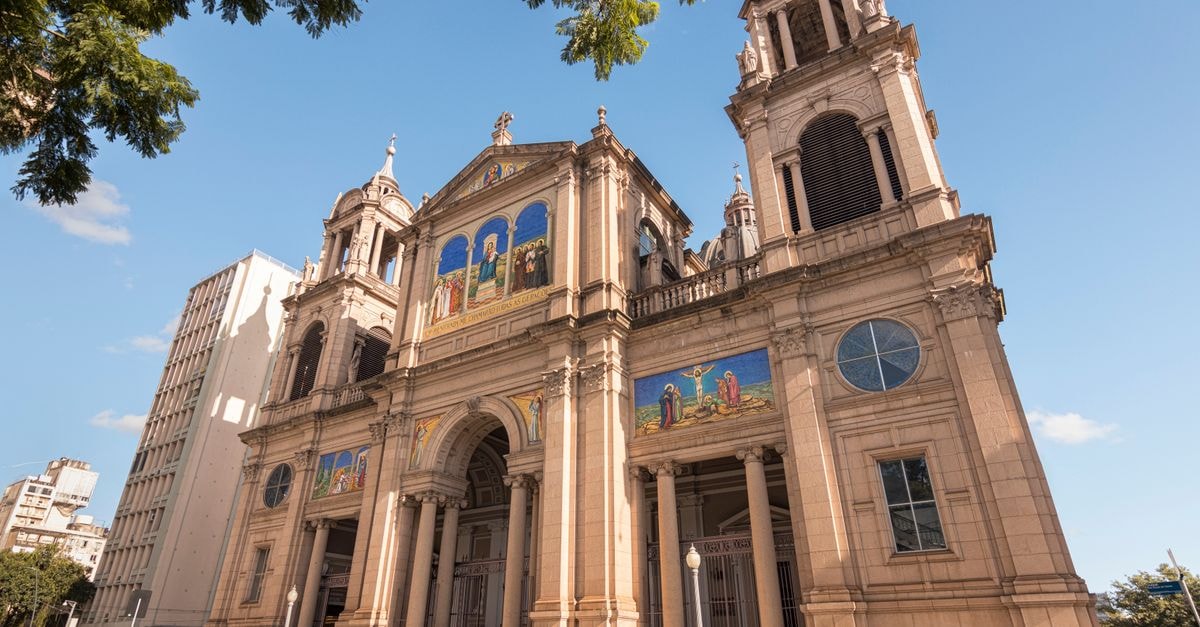
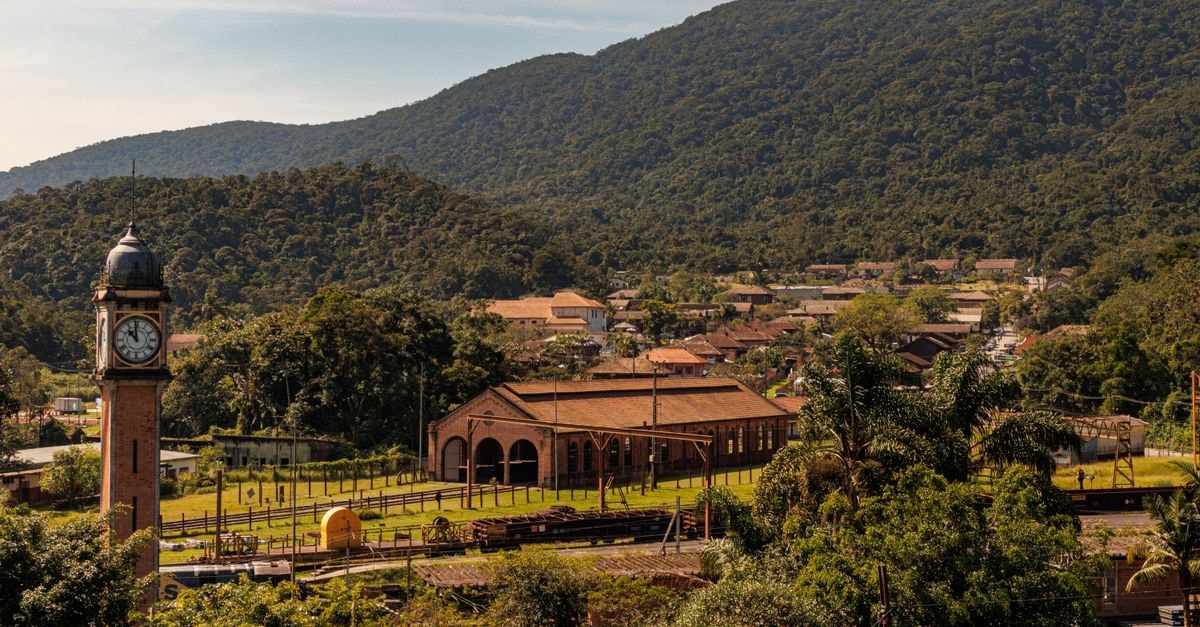
Beyond the river, the city carries a layer of historical heritage that rewards visitors who slow down. This is not a heritage city in the dramatic sense of Brazil's most famous colonial destinations, but it has the kind of older streets, churches and civic buildings that read as authentic rather than reconstructed. Pairing the historical core with the riverside area works particularly well, since they often overlap and you can move between them on foot.
One of the most distinctive elements of the Piracicaba region is the presence of Tyrolese villages, a reminder that this part of São Paulo state received European immigration in waves, and that those communities kept something of their original identity. For visitors who like a slightly offbeat afternoon, heading out to one of these villages offers a different note from the urban core, and the contrast between Brazilian sugarcane country and Alpine-influenced architecture is part of the charm.
Then there is the agriculture school campus of the University of São Paulo, which is regularly described as beautiful and is one of those places that rewards visitors who think of a university campus as a destination in its own right. Set aside time for it rather than treating it as a transit point, and the green spaces, the academic architecture and the agricultural setting combine into something genuinely memorable.
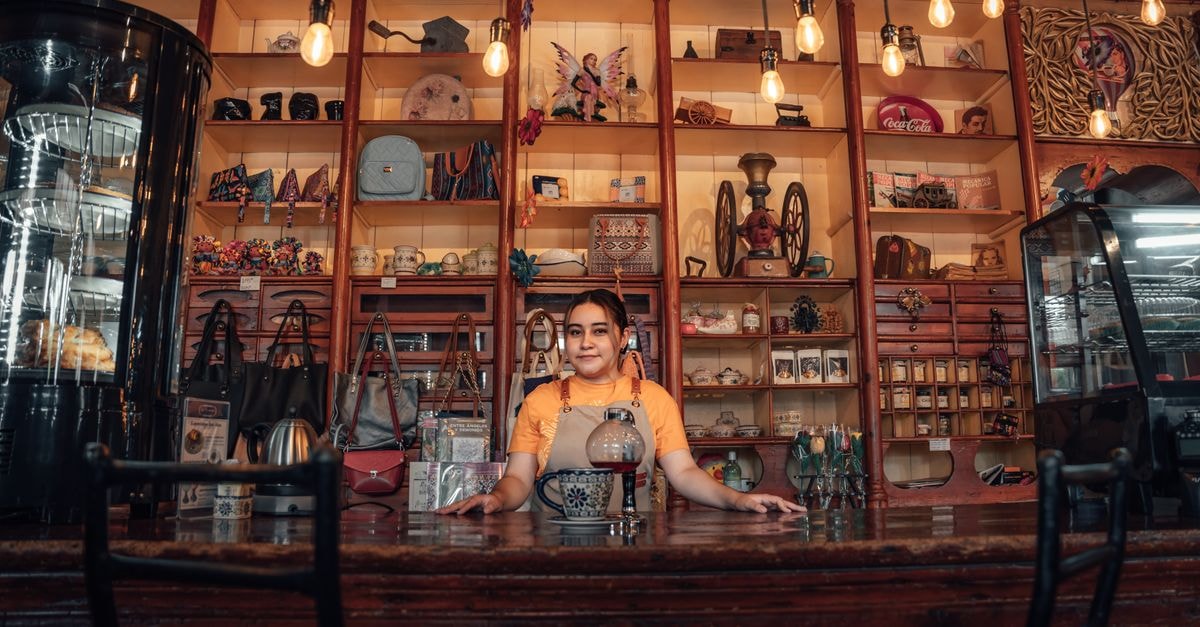
A practical note on planning: the available guidance for Piracicaba is built around themes rather than ticketed experiences, so it suits a flexible, curiosity-led visit far better than a tightly scheduled one. Leave room in your day for the kind of unplanned café stop or river-side pause that tends to be the highlight of any Piracicaba trip.
Food and wider Brazilian context
Piracicaba does not present itself as a culinary capital in the way that Brazil's largest cities do, and that is part of the appeal. The local table tends to be a regional expression of broader Brazilian food culture rather than a city of signature dishes, and understanding that broader context helps visitors read menus with more confidence.
Across Brazil, food is treated as a serious pleasure and a social event. Meals tend to be unhurried, portions generous, and the rhythm of lunch and dinner noticeably different from what many international travelers expect. Rice and beans, grilled meats, fresh tropical fruit, and a steady presence of cassava in its many forms are common threads that visitors will encounter in Piracicaba as readily as anywhere else in the country. Regional dishes rooted in the interior of São Paulo state tend to emphasize hearty, rural ingredients, which fits the agricultural character of the area.
Drinking culture, of course, comes with its own context. The caipirinha is the national cocktail, made from cachaça, lime and sugar, and it has deep roots in the kind of rural São Paulo state landscape that surrounds Piracicaba. It is the kind of drink that arrives as a welcome in many social settings, and being open to trying it in different versions is a small way of entering into local life.
Brazilian dining etiquette is relaxed but worth knowing. It is common to eat with a fork and knife even for dishes that might be handheld elsewhere, and to greet people, including restaurant staff, with a handshake or a light cheek kiss depending on the setting. Tipping practices exist in sit-down restaurants and are usually built into the bill as a service charge, a detail worth confirming on the receipt rather than assuming.
For visitors, the most useful mindset is to treat Piracicaba's food scene as a regional expression of broader Brazilian dining habits rather than a checklist of city-specific specialties. Eat where locals eat, ask what is fresh, and let the rhythm of the day set the pace of your meals.
A short verification note
Travel conditions in any Brazilian city, including Piracicaba, can shift over time, and details such as opening hours, transport options, and municipal services are best confirmed directly through official channels before you travel. The Portal do Município de Piracicaba is the most authoritative starting point for any of those practical questions. Local hours, current events, and any ticketed experiences on the agricultural campus or at historical sites should always be checked on the day.
A final piece of honest framing: this guide is built only from widely cited descriptions of Piracicaba as a pleasant medium-sized city with a riverside area, historical heritage, Tyrolean villages, and a beautiful agricultural campus. Anything more specific, from a particular restaurant reservation to a specific timetable, has intentionally been left for you to confirm in person or through the city's official portal.
Share this article
TOOLS FOR THIS PLAN
Make the Piracicaba plan measurable
Choose a tool only when it answers the next question in your trip. Your values stay in the browser, and each tool offers a route back to this planning context.