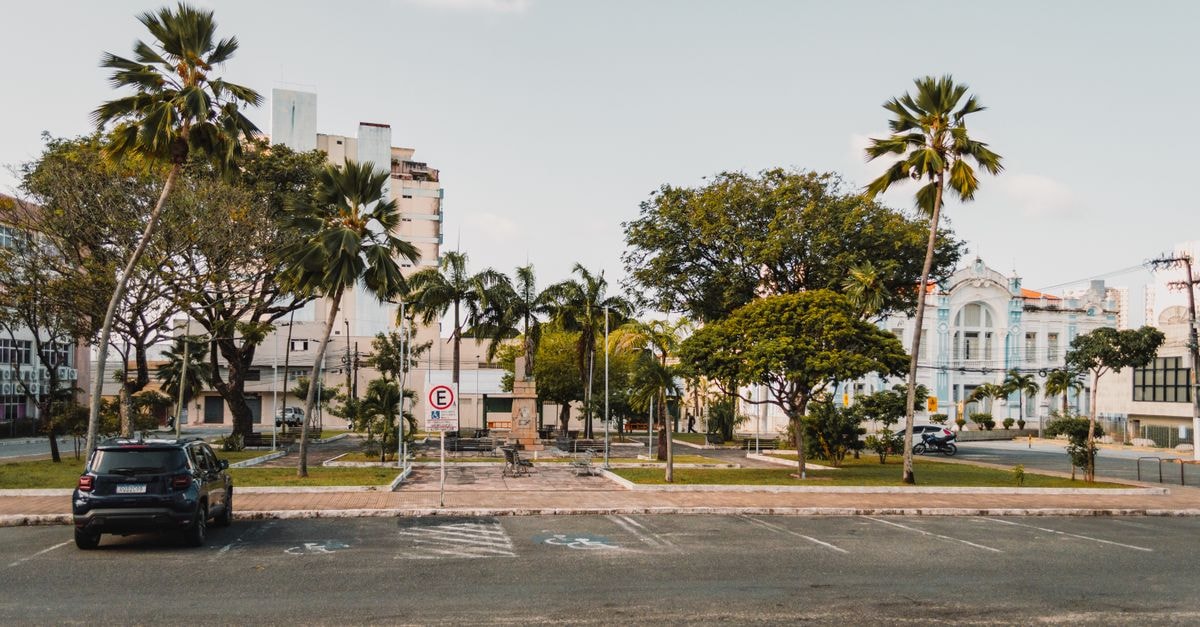
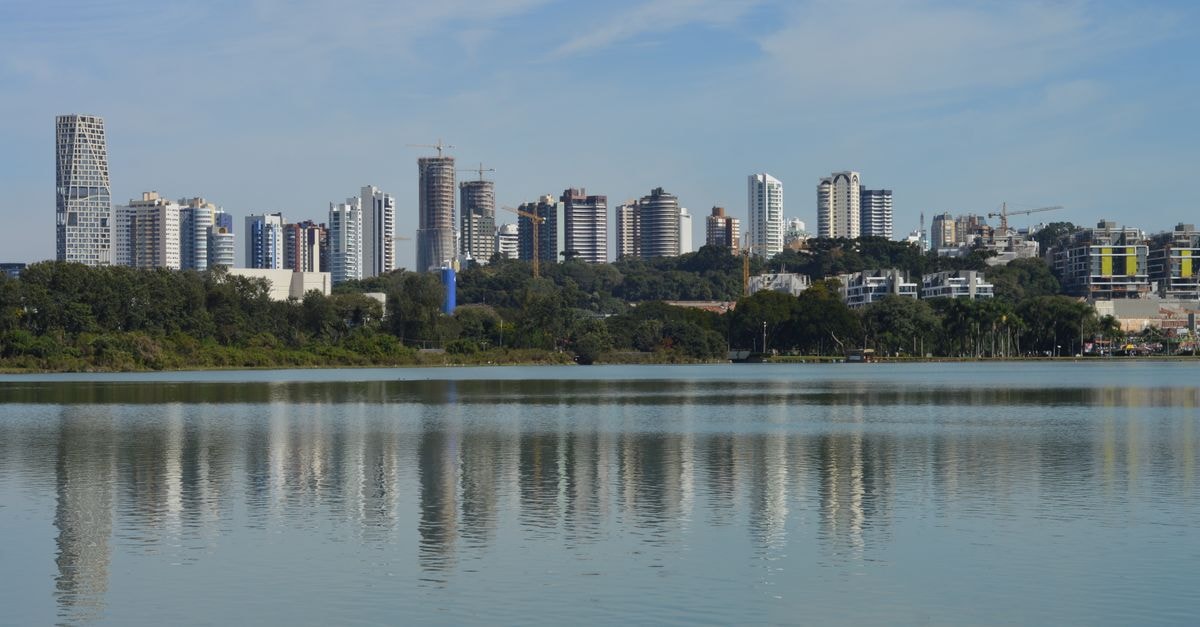
A relaxed first look at Sao Jose do Rio Preto

Because this guide is built only on approved factual evidence, it focuses on three themes the available sources actually support: the wider weather and seasonal context visitors can expect, the transport basics that shape a day on the ground, and the broader Brazilian food culture that travelers may encounter while exploring the city. There is intentionally no day-by-day itinerary, no restaurant ranking, and no list of nearby day trips. Those details would need fresh, on-the-ground confirmation, and the approved ledger does not provide it.
Weather and seasonal context
The approved evidence describes Sao Jose do Rio Preto as a vibrant and progressive city in the northwest of the state of Sao Paulo, but it does not give specific temperatures, rainfall numbers, or any current-conditions data for a given month. That means a clean monthly forecast, an exact "best time to visit" verdict, or a packing list built around precise temperatures cannot be honestly offered here.
What can be said in good conscience is the kind of gentle, evergreen framing a thoughtful visitor would want: inland cities in northwest Sao Paulo state tend to feel noticeably warmer for much of the year, with stretches where the heat builds during the day and settles slowly in the evening. Travelers who prefer to keep their sightseeing pace relaxed can lean into that rhythm, planning the heaviest walking for the cooler parts of the day and leaving long lunches, cafes, or shaded pauses for the hotter hours. Because no source in the approved ledger confirms specific temperatures for any particular month, this guide avoids naming a season, a date range, or a weather claim that goes beyond that general feeling.
If a reader's travel date is fixed, the practical move is a quick check of an up-to-date forecast shortly before departure, since inland Brazilian weather can shift and the approved sources do not lock in conditions.
Getting around and the regional setting
For visitors arriving in the city, the most useful grounding fact is that Eribelto Manoel do Reino is the airport serving Sao Jose do Rio Preto, and it was internacionalizado, or internationalized, in 2025. For travelers, that single detail helps frame the city's role as a regional hub with an upgraded air gateway, though it does not by itself tell a visitor which airlines are flying on a given day, how often, or from where.
The wider setting is also worth a moment of context. The approved sources describe Sao Jose do Rio Preto with an area of 636.39 km², an HDI of 0.800, and a setting in the Cerrado and Mata Atlantica biomes. That mix of cerrado and Atlantic Forest is more than a line of regional trivia; it shapes what the landscape around the city can look and feel like, with stretches of open savanna-like vegetation meeting pockets of forest. Sao Paulo state maintains conservation units tied to these biomes, and broader conservation efforts, including initiatives like The Rainforest Site, are part of the wider context a curious visitor may hear about while in the city.
For moving around the city itself, the approved sources do not give bus routes, ride-hail coverage, taxi rates, or a metro or rail network. That is not a gap to paper over with guesses. The grounded approach is to confirm local transport options on arrival, ask a hotel front desk or a tourist information point about the current way to reach a specific neighborhood, and let the day's plans follow from that. Anything more specific, from a timetable to a price to a recommended route, would need a source the approved ledger does not contain.
Food and the wider Brazilian context
The approved evidence for food comes from country-level sources on Brazilian food and culture, so the most honest framing is to describe it as wider Brazilian context that a visitor may well encounter while spending time in Sao Jose do Rio Preto, rather than claiming a specific local specialty, dish, or market that the sources do not name.
Those country-level sources confirm Brazil's official name as the Federative Republic of Brazil, with Brasilia as its capital and a national population figure of around 213 million, which helps situate the city within the wider country a visitor is passing through. The same sources frame Brazilian food and culture at a national level, so a traveler who arrives with curiosity rather than a fixed checklist is usually better placed to enjoy what they find on the ground, whether that is in a casual eatery in Sao Jose do Rio Preto or in transit through the region.
Because no approved fact names a Sao Jose do Rio Preto restaurant, dish, market, or food neighborhood, this guide does not point readers to a specific place to eat. A traveler who wants a memorable meal is better served by asking locally, walking a busy commercial street, or following current recommendations from a trusted, up-to-date source.
A short, honest checklist before you go
There is plenty that this guide deliberately leaves out, including nearby destinations, day-trip suggestions, restaurant picks, and a fixed itinerary. Those omissions are a feature, not a flaw: they keep the guide aligned with what the approved evidence actually supports, and they leave room for the kind of on-the-ground discovery that often becomes the best part of a trip.
Travel conditions, transport details, opening hours, and prices can change. Before departure, verify anything that affects a booking, a route, or a day's plans through official channels and current local sources.
Share this article
TOOLS FOR THIS PLAN
Make the Sao Jose do Rio Preto plan measurable
Choose a tool only when it answers the next question in your trip. Your values stay in the browser, and each tool offers a route back to this planning context.