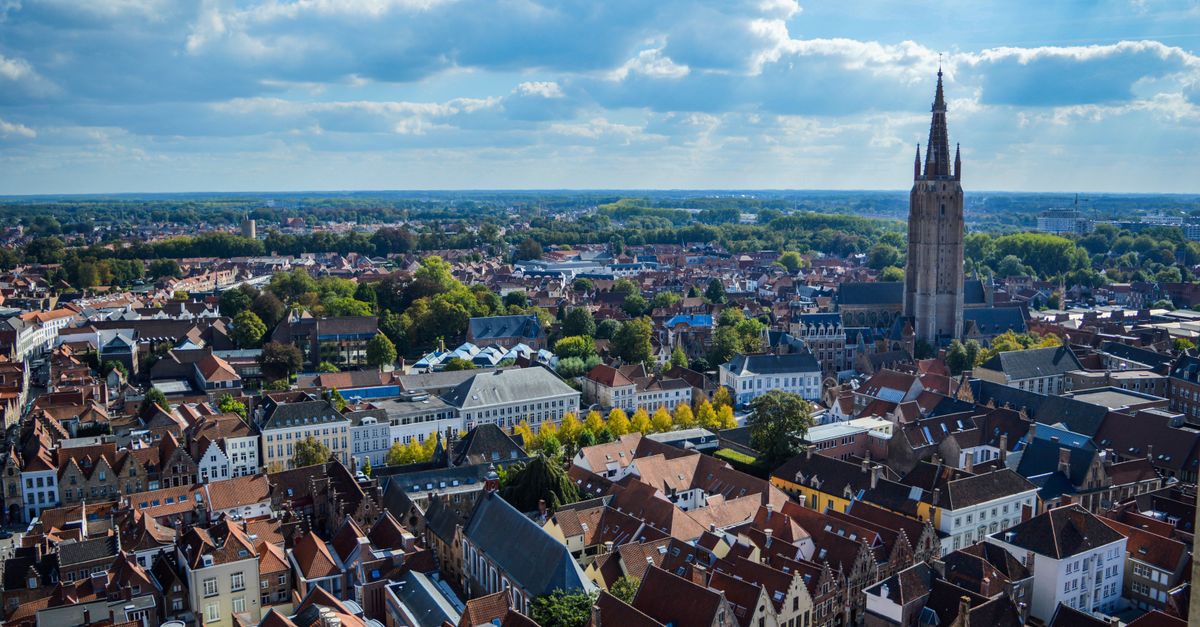
A First Look at Mykonos in July

Mykonos in July is the island at full throttle — every beach club open, every restaurant humming, the ferry schedule at maximum frequency, and the social energy cranked to its summer peak. It's also the most expensive, the most crowded, and the windiest stretch of the year. The northern meltemi begins in July and, by mid-to-late month, can blow 30–40 knots on gusty days, earning the island its nickname "Island of the Winds." None of this ruins a July trip, but it shapes how to plan one. This guide is built around what peak-season Mykonos actually delivers, and where the practical pressure points sit.
The headline insight from local guides is consistent: if your dates are flexible, June or September will give you a calmer, cheaper version of the same island. If your dates are fixed on July, the playbook below is what makes the difference between an enjoyable peak-season trip and a frustrating one.
July Weather and the Meltemi Problem
July in Mykonos is hot, dry, and reliably sunny. Different sources frame the temperatures differently, so it's worth knowing the spread rather than relying on a single number:
- AccuWeather's July forecast shows daily highs ranging 79–91°F (roughly 26–33°C) with overnight lows of 71–78°F (22–26°C), and an average high around 86°F (30°C). A Yellow Warning for Extreme High Temperature was active in the monthly outlook. - Climate-data.org's averages put July at 24.5°C / 76.2°F, with a max of 25.6°C, a min of 23.4°C, and a water temperature around 24°C / 75°F, with effectively zero rainfall. - WhenRome pegs July at an average high of 27°C (81°F) and average low of 22°C (72°F), with about one rainy day and 1mm of rainfall for the month.
The practical takeaway: bring layers anyway. Daytime is genuinely hot and the midday UV index is extreme (around 12 at noon per WhenRome), but evenings on the waterfront can be cooled by wind, and ferry terminals stay breezy. Rain is essentially a non-factor.
The meltemi is the bigger planning issue. This dry north wind accelerates through the Cyclades from late June onward and is fully established by July. On rough days it reaches 30–40 knots. The geography matters:
- **South-facing beaches** (Paradise, Super Paradise) become choppy and unpleasant when the wind is up. - **North-facing beaches** (Panormos, Ftelia) take the brunt directly. - **Agios Sostis**, on the north coast near Ano Mera village, is sheltered from north winds and stays calm when other beaches are whitecapped. There are no umbrellas, no bars, and no music — it's the island's quiet beach day in peak season. Get there by scooter or taxi, since no bus serves it.
Water temperature sits around 24–24.7°C (75–76°F) in July — comfortable for extended swimming. Daylight runs about 14 hours 30 minutes mid-month, with sunrise around 6:09 AM and sunset near 8:39 PM.
Getting There and Getting Around
Mykonos is well connected to Athens in July. Two practical options:
- **Flight**: Athens to Mykonos (JMK) takes around 40 minutes. - **Ferry**: From Piraeus or Rafina, the crossing takes 2.5–5.5 hours depending on the vessel type (fast ferry or conventional).
Once on the island, the bus network is more capable than most visitors realize. KTEL runs a regular service with two hubs:
- **Fabrika Square** (south of Mykonos Town) serves Paradise Beach, Platis Gialos, and Psarou. - **The Old Port** serves Agios Stefanos, Ornos, and Ano Mera.
Buses run every 20–30 minutes in summer and cost €2 per ride to any beach. Taxis are scarce and expensive — there are only 36 licensed taxis on the entire island, they do not cruise for fares, and in July–August a 30–45 minute wait at the main stand near Manto Mavrogenous Square is normal. A taxi to most beaches runs €25–40. Both factors push most peak-season visitors toward renting a scooter or ATV, which is the most flexible option in practice — but only if you're comfortable riding one. Note that pirate taxis (unlicensed drivers soliciting at the port) are a known overcharging risk flagged in the local safety guidance.
What to Do in Mykonos Town and on the Beaches
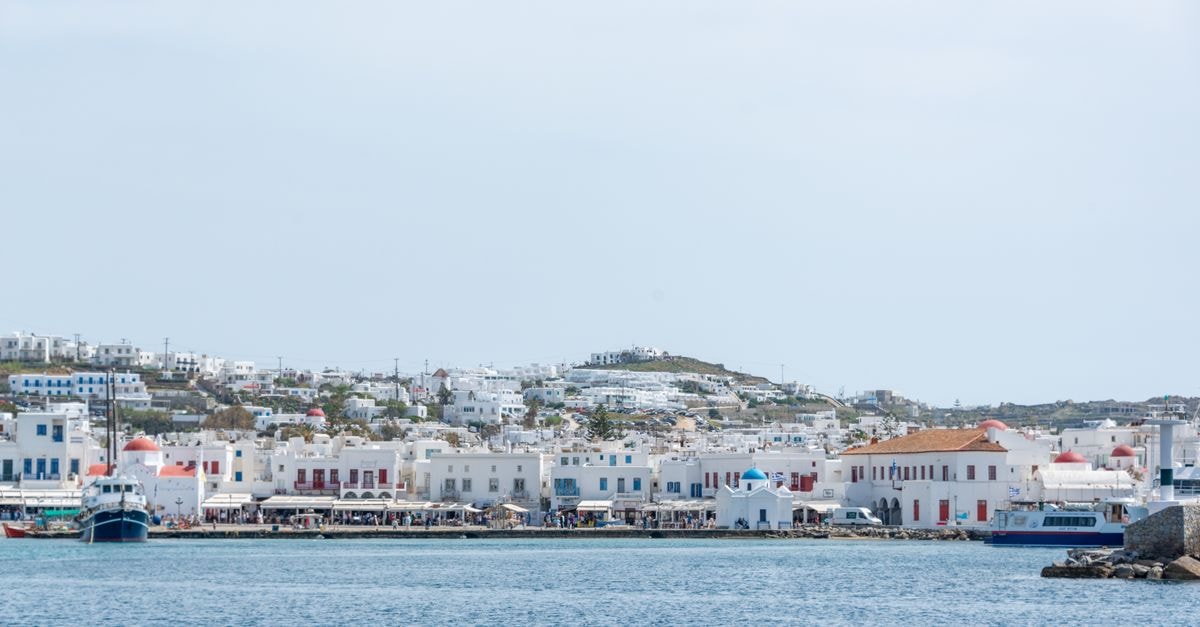
The single most important piece of Mykonos advice has nothing to do with the beach clubs: **arrive in Chora (Mykonos Town) before 9 AM**. Walk the whitewashed labyrinth before the cruise ship day-trippers fill the lanes. The experience of the town — empty stone alleys, blue shutters, cats on warm steps, the smell of fresh bread from bakeries, the sound of the sea — is genuinely free and completely different from the magazine Mykonos.
The specific sights worth knowing:
- **The Kastro and Panagia Paraportiani**: Mykonos Town is built around a medieval castle district fortified from the 15th century. At its edge stands Paraportiani, a single organic-shaped whitewashed structure that is actually five churches built between the 15th and 17th centuries. It is the most photographed building on the island. Early morning or after 6 PM avoids the crowd pressing in. - **Little Venice (Alefkandra)**: 18th-century merchant houses with wooden balconies cantilevered directly over the Aegean, built by sea captains during the Ottoman period. - **Kato Mili**: The lower windmills, built by the Venetians in the 16th century and operated commercially into the early 20th century. The sunset light here is why Little Venice fills up at 7 PM nightly in summer — arrive around 6 PM to settle in.
For the **beach day**, decisions in July should be made by wind direction. South-facing beaches are the famous party beaches (Paradise, Super Paradise); they are at their most glamorous in July but also at their most uncomfortable when the meltemi is blowing. Psarou and Platis Gialos stay calmer than Paradise because of the island's geography. Agios Sostis is the calm-water escape — quieter and reachable only by scooter or taxi.
**Delos**, the UNESCO-listed uninhabited island offshore, is the most important day trip from Mykonos. Be aware: **Delos is closed on Mondays**, when only a single boat runs (10 AM departure, 1:30 PM return). Tuesday through Sunday, three morning departures at 9 AM, 10 AM, and 11:30 AM with returns at noon, 1:30 PM, and 3 PM. All boats leave from the Old Port on the harbor's left side. The round-trip ferry is around €25 and the site entrance is €20 — buy both at the Old Port kiosk the morning you go, not in advance online where prices are marked up.
Booking Pressure in Peak Season
July is Mykonos at peak pricing, and the booking clock is real. Three distinct lead times apply:
- **Lodging**: 3–5 months ahead. Reasonable selection is still available at 3–4 months out, but central locations disappear first; rentals near beaches often book 6–10 months out. - **Flights**: 3–5 months ahead, with fares near their annual peak. Use fare alerts and book direct when a fare lands under the typical range. - **Top beach-club venues** (Scorpios, Nammos) and **fine-dining restaurants** should be booked well in advance for the June–September window. - **Casual tavernas** can usually be booked a few days out.
The accommodation-pressure pattern matters because the same rooms cost meaningfully less in shoulder months. Hotel prices drop 20–40% from August highs once September arrives. July is at or near the annual maximum, and June typically runs 20–30% below peak.
Costs, Taxes, and Budget Reality
Mykonos at peak season compounds costs quickly. Plan accordingly.
**Daily budgets (mid-2026 verified):** - Mid-range: €200–300 per person per day - Luxury: €500–1,000+ per person per day
**Specific taxes that hit in July:** - **Climate Resilience Tax**: €10 per room per night for 5-star properties at peak season - **Cruise port tax**: €20 per passenger at peak
**Transport costs:** - KTEL bus: €2 per ride - Taxi to most beaches: €25–40 - Delos round-trip ferry: ~€25 - Delos site entrance: €20
**Food costs (a useful range):** - Gyros from around €3.50 - Simple tavernas near Mykonos Town can feed two for under €15 - Top venues (Nammos, Scorpios, COYA) require advance bookings and budget accordingly
The single biggest mistake first-timers make, according to local guides, is underestimating how quickly these line items stack up. If you're not on a beach-club tab, the mid-range figure is realistic for a decent hotel, modest meals, and getting around.
Safety and Practical Risk
Greece holds a U.S. Department of State Level 1 advisory — the lowest risk classification — and Mykonos is no exception. The realistic risks are ordinary:
- **Petty theft in crowded areas** — the lanes of Chora, beach clubs, ferry terminals. - **Overpriced "pirate taxis"** — unlicensed drivers soliciting at the port and around the Old Port. Use the licensed taxi stand or pre-book through your accommodation. - **Summer heat** — temperatures above 30°C are routine, with extreme-heat warnings active. Carry water, use SPF 50+, a wide-brim hat, and UPF clothing, and avoid midday exposure. - **Mosquitoes** — a moderate season risk; DEET 25–30% repellent is advisable at dawn and dusk.
There is no specific safety advisory against travel to Mykonos in July 2026.
Local Food Worth Seeking Out
Mykonos has a developed local food identity that most visitors miss because they default to generic Greek. The culinary tradition was shaped by a semi-arid island that historically relied on preserving, curing, and fermenting — pork products, aged cheeses, barley rusks, and seafood. Several items are distinctly Mykonian and worth tracking down:
- **Kopanisti (PDO)**: A spicy, peppery, fermented soft cheese with a strong, almost funky finish — arguably the most pungent version of kopanisti in Greece. The classic way to eat it is **mostra**: a barley rusk (paximadi/dipyrites) topped with kopanisti, fresh tomato, and oregano. It is the unofficial Mykonian snack. - **Louza**: Dry-cured pork loin marinated in island spices and aged several months. Sliced thin as meze, paired with local cheese and a cold beer or Assyrtiko. - **Mykonian sausages (Mykoniatika loukanika)**: Seasoned with throubi (Greek savory), oregano, salt, and pepper, air-dried, and leaner than mainland versions. A staple meze with ouzo or local wine. - **Ksinotiro (xinotyro)**: A tangy, slightly acidic fresh cheese used in pies and eaten on its own. - **Tyrovolia**: A soft white cheese used as the base for savory and sweet pies. - **Kremidopita**: A savory onion pie, typically layered with ksinotiro or tyrovolia. Inexpensive and genuinely local — found at bakeries and small tavernas. - **Amygdalota**: Bitter-almond macaroons with rose water — chewy, fragrant, and sold by weight at pastry shops. - **Skaros (parrotfish)**: A traditional Cycladic fish, less common now but still grilled at certain tavernas. - **PGI Aegean wines** made from Assyrtiko, Athiri, Monemvasia, and Mandilaria.
For sweets and bread, **Gioras**, the Vamvakouris family bakery near the windmill district, still operates a traditional wood-burning oven and is worth a visit for rusks and bread. Pastry shops in Chora stock amygdalota alongside honey-and-cinnamon confections; **Matsuka** at the start of the Ano Mera road and **Kyklamino** on the Peripheral Road in Kamalafka are noted for traditional sweets.
For a more local and quieter meal, **Ano Mera village** inland offers kafeneia and small shops with less tourist markup than Chora. Note that spots like **Kiki's** do not take reservations — arrive by 11:30 AM for lunch or expect a 2-hour wait in peak season.
---
A July trip to Mykonos is a specific experience: full energy, full crowds, full prices, and the meltemi as a daily variable. The advantages — every venue open, every beach club at its most glamorous, the Aegean at its warmest — are real. The pressure points — booking timelines, transport scarcity, heat, wind — are also real and predictable. Build around them rather than against them.
The currency across the island is the Euro (€). Exchange rates fluctuate, so check the live rate before converting larger sums, and ideally pay by card where accepted to avoid repeated cash-exchange fees.
Factual travel conditions — including prices, ferry and bus timetables, taxes, weather, and seasonal closures — can change. Confirm the latest details with official channels, including your ferry operator, KTEL Mykonos, Mykonos International Airport, and the U.S. State Department advisory page, before you travel.
Share this article
TOOLS FOR THIS PLAN
Make the Mykonos plan measurable
Choose a tool only when it answers the next question in your trip. Your values stay in the browser, and each tool offers a route back to this planning context.