Why Potosí feels different the moment you arrive

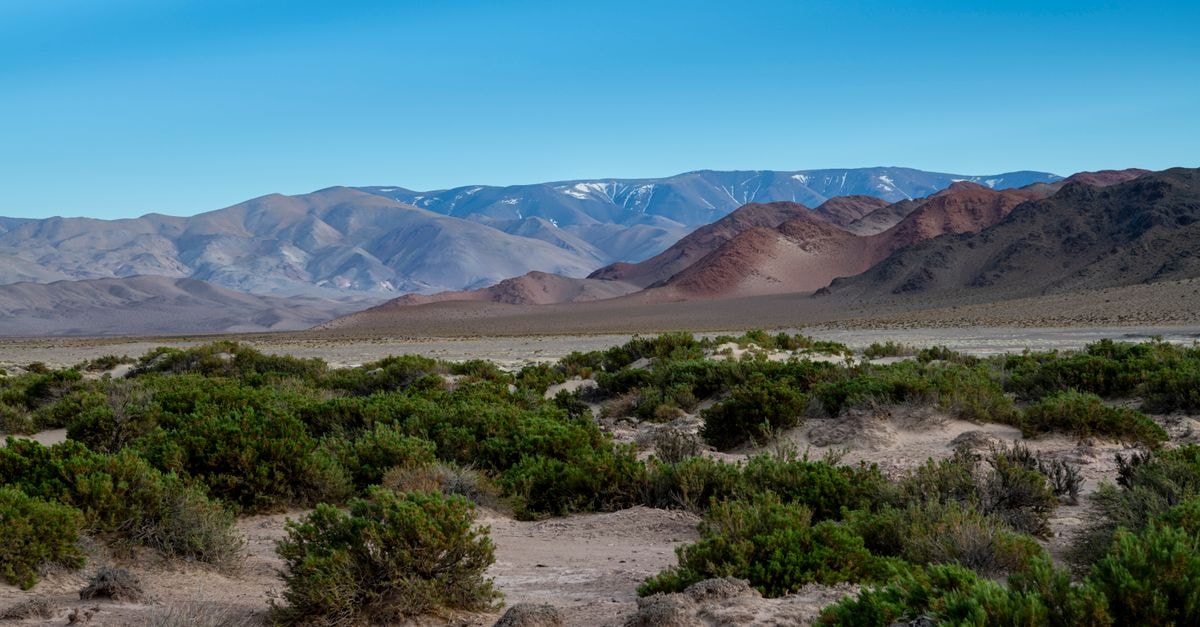
High in the Bolivian highlands, Potosí wraps a tidy colonial grid around a single, commanding idea: silver. The city's UNESCO-listed historic centre, its gilded churches, and the surrounding ridges all tell a story shaped by centuries of mining, and visitors tend to feel that weight in the air before they feel it in their legs. The streets climb gently, the plazas stay compact, and the pace of life leans toward unhurried, which suits a place where most travellers arrive to slow down and look closer rather than rush between sights.
That altitude is worth respecting. Potosí sits at a high elevation, a detail that quietly reshapes how a traveller should plan their day. Even short walks can feel slower than they would at lower elevations, and the cool, semi-arid mountain climate keeps the air thin and dry. The rest of this guide gathers the practical threads a traveller usually needs: how to arrive and get around, what to see in the historic core, and how to eat well without overthinking it.
Weather and seasonal context
Potosí has a cold, semi-arid climate with cool summers, so visitors can generally expect dry, sunny days paired with chilly nights and thin, bracing air. The thin atmosphere is part of the city's character, and the elevation alone can leave first-time high-altitude travellers a little breathless on stairs and hills that would feel easy at home. Many people find that pacing the day differently, taking it slowly on the first afternoon and choosing a quieter morning for the busiest outings, makes the whole trip feel more comfortable.
Because the climate leans cool year-round, layering tends to be more useful than packing for heat. A warm layer for evenings and a lighter one for daytime sunshine will typically cover most situations, and sun protection matters more than it might seem at this altitude. Treating the weather as a steady backdrop rather than a focus of the trip keeps attention where it belongs: on the streets, the rooftops, and the views.
Getting around
The good news for travellers is that almost everything in Potosí's historic centre is walkable. The compact colonial layout means most of the churches, plazas, and museums sit close enough together to reach on foot, even for visitors who want to keep their first day slow. Walking at the city's altitude does feel harder than usual, so keeping distances short and planning a rest stop in a plaza is often a better strategy than racing between sights.
For intercity travel, the most practical option is the bus. The Terminal de Buses Potosí runs services to destinations including Sucre, and these are typically the most reliable way to move between cities in the region. Flights into Potosí's small airport do exist, but they are limited and can be irregular, so most independent travellers find buses fit their plans more cleanly.
It is worth knowing that there is no regular passenger rail service into Potosí. Bolivia's rail network is largely freight, with occasional tourist or heritage services, so trains should not be planned into a routine itinerary to or from the city. Within the centre, walking and short taxi rides cover most needs.
Attractions and planning
Potosí's attraction list is concentrated and rewarding. The top draws all cluster within the historic core, which is part of what makes the city so manageable for travellers who prefer depth over distance. Church rooftops, the iconic Casa de la Moneda, and a string of smaller museums and colonial landmarks make up the highlights most visitors come for.
A rooftop visit is a particularly good entry point for travellers who want a quick orientation to the city's scale. San Francisco Church is one place where visitors can take a guided tour to visit the museum and the rooftop, with a typical local fee of 20 bolivianos, an accessible way to earn the sweeping views of the tiled rooftops and the bare ridges beyond. It is a useful first stop because the panorama helps frame the rest of a stay, putting the distance between landmarks into context.
Beyond the rooftop, the broader attraction list reads like a small, walkable museum trail. The Casa de la Moneda is widely treated as a centrepiece, and pairing a morning there with a lunch stop fits comfortably into the city's rhythm. Because the centre is compact, travellers who prefer a slower pace can choose two or three sights a day rather than trying to cover everything at once, which also helps with the altitude.
Food and local context
Potosí's culinary scene is described as a blend of indigenous flavours with Spanish influences, which is a useful way to frame expectations. Visitors can expect hearty, warming dishes suited to the altitude, and the city's markets are often a more rewarding way to eat than sitting down to a long menu. Markets score noticeably higher than fine dining in local guides, and that tracks with the everyday feel of the place.
For travellers who want to try a classic highland plate, silpancho is a staple worth knowing: a thin breaded beef cutlet served over rice and potatoes, topped with a fried egg. It is filling, affordable, and exactly the kind of comfort food that suits a chilly mountain afternoon. Lunch at a local market is often the easiest way to find these staples without needing a recommendation, and it folds neatly into the day's sightseeing.
Choosing what fits the trip
Because the city is compact and the air is thin, travellers who prefer slow mornings and one or two rich stops per day tend to get the most out of Potosí. Those who like active sightseeing can stitch together church rooftops, the Casa de la Moneda, and a market lunch without needing transit. Travellers who are cautious about altitude may want to keep the first day light and choose walking over long days out. Visitors relying on public transport should plan on buses rather than trains, and anyone flying in should treat the flight as a complement to, rather than the spine of, an itinerary.
Before you go
Conditions on the ground can change, and practical details such as transport schedules, museum opening hours, and current entry fees should always be confirmed through official channels or local operators before departure. Treat any guidance here as a starting point rather than a final word.
Share this article
TOOLS FOR THIS PLAN
Make the Potosí plan measurable
Choose a tool only when it answers the next question in your trip. Your values stay in the browser, and each tool offers a route back to this planning context.