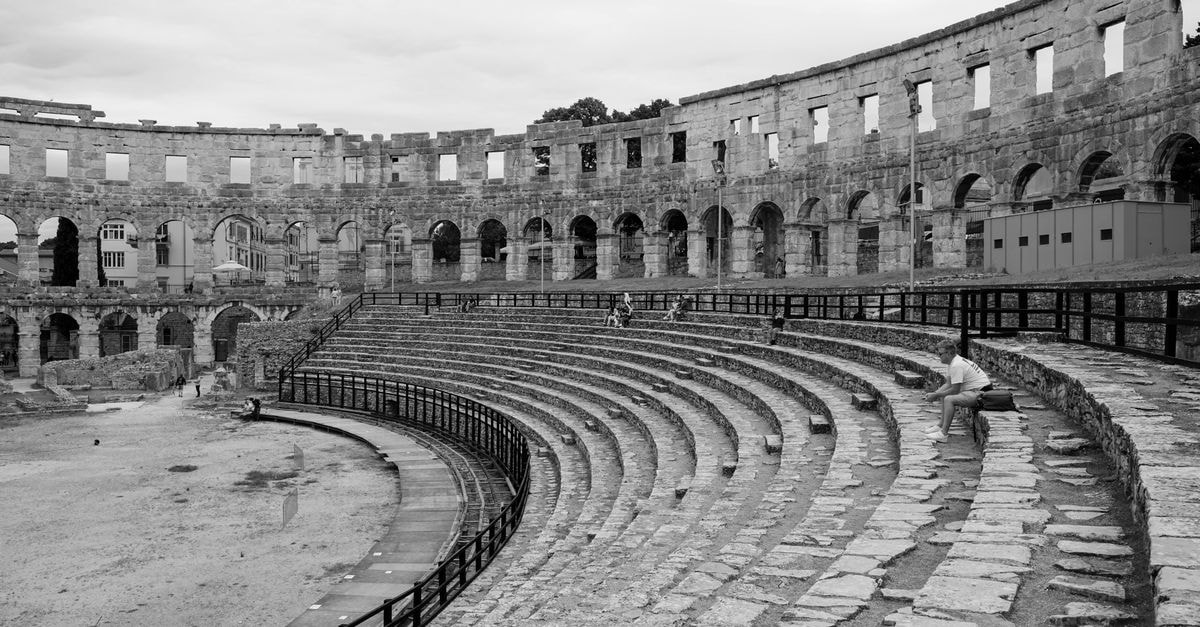
Pula sits at the southern tip of Istria, the largest peninsula in Croatia, where Roman history meets Adriatic beaches. The city is anchored by one of the best-preserved Roman amphitheatres in the world, yet functions as a working port and the everyday hub of southern Istria. A July visit means peak summer crowds, but also warm sea temperatures, long evenings and a calendar of outdoor concerts, festivals and food events.

July weather and what to expect
July is the hottest and busiest month on the Istrian coast. Climate data for Pula in July shows an average temperature of 24.2°C (75.6°F), with daytime highs around 27.1°C (80.8°F) and overnight lows near 20.9°C (69.6°F). The Adriatic reaches about 25°C (76°F) by the end of the month, comfortably swimmable for most visitors. Rainfall averages 41 mm spread over roughly four days, and humidity ranges between 64% and 72%, so expect mostly dry, sunny conditions with the occasional muggy spell. Pack sunscreen, a hat and a light layer for air-conditioned restaurants and evening sea breezes.
Because July is peak season, expect crowded beaches, longer queues at major sights, and busier buses. Mornings and early evenings are the most comfortable times for sightseeing.
Getting around Pula
Within Pula, the compact historic centre is walkable. The Arena, the Forum, the Temple of Augustus and the Arch of the Sergii are all within a short stroll of each other. For beaches, day trips and suburbs, the local bus network is the backbone of public transport.
### Buses with Pulapromet
Pulapromet operates Pula's public buses across three zones:
- Zone 1 covers the city itself. - Zone 2 reaches Fažana, Peroj, Vodnjan, Galižana, Muntić, Valtura, Ližnjan, Medulin, Premantura and Banjole. - Zone 3 covers the Barbariga line.
A single Zone 1 ticket bought from the driver costs €2, valid for one hour in one direction. The same ticket bought online through the Pulapromet webshop or at tobacco kiosks (iNovine / Tisak) costs €1.50. Zone 2 tickets are €2.50 on board and €2 in advance; Zone 3 tickets are €3.40 on board and €2.70 in advance. If you're staying longer, the contactless Pulapromet card brings the Zone 1 fare down to €0.90 per ride and can be topped up at kiosks or online in set amounts. Children under 6 ride free.
Passengers must enter through the front door and show a valid ticket on boarding. The on-the-spot fine for travelling without a ticket is about €10. The Pulapromet "Mobility Plus" app provides real-time bus locations, line timetables and ticket purchases for travellers who want to plan journeys on the move.
### Parking
Watch out for red "Permit Holders Only" signs in Pula. Those spaces are reserved for local residents, and parking there can mean a fine. Use designated public parking areas instead, and double-check signs before leaving the car.
Top attractions and July events
A 2–4 day stay is generally enough for the city, beaches and a day trip. Most visitors start at the Pula Arena, the iconic Roman amphitheatre that dominates the city centre and still hosts concerts and film festivals in summer. Other key landmarks include the Kaštel Fortress on the hill above the city, the Arch of the Sergii at the entrance to the old town, and the Temple of Augustus on the Forum. Many of these sights are within walking distance and can comfortably be combined in a morning or afternoon.
Pula combines city and sea in a way few historic centres manage. Walking, cycling or a short bus ride gets you from the old town to the coast, with beaches both in the city and on the nearby peninsulas. Pula is also a natural base for day trips to the Brijuni Islands, Rovinj and the rest of coastal Istria. Boats to Brijuni run from Fažana, which is reachable on a Zone 2 bus.
### Events in July 2026
The Pula Tourism Office has already listed several July events. From 8 July to 2 August 2026, the Giardino diVINO Festival runs at Titov Park in the evenings. The Verudela Art Park installation runs from 5 June to 31 August 2026. On 23 July 2026, Big Band Pula performs on the Forum as part of the "Glazba i grad" concert series, and the JM Jazz World Orchestar follows on 27 July 2026, also at the Forum. Note that one item on the tourism office feed, Bloomsday Pula, carries a programme cancellation notice — check the official listing before relying on any specific event.
Hotels and seasonal booking pressure
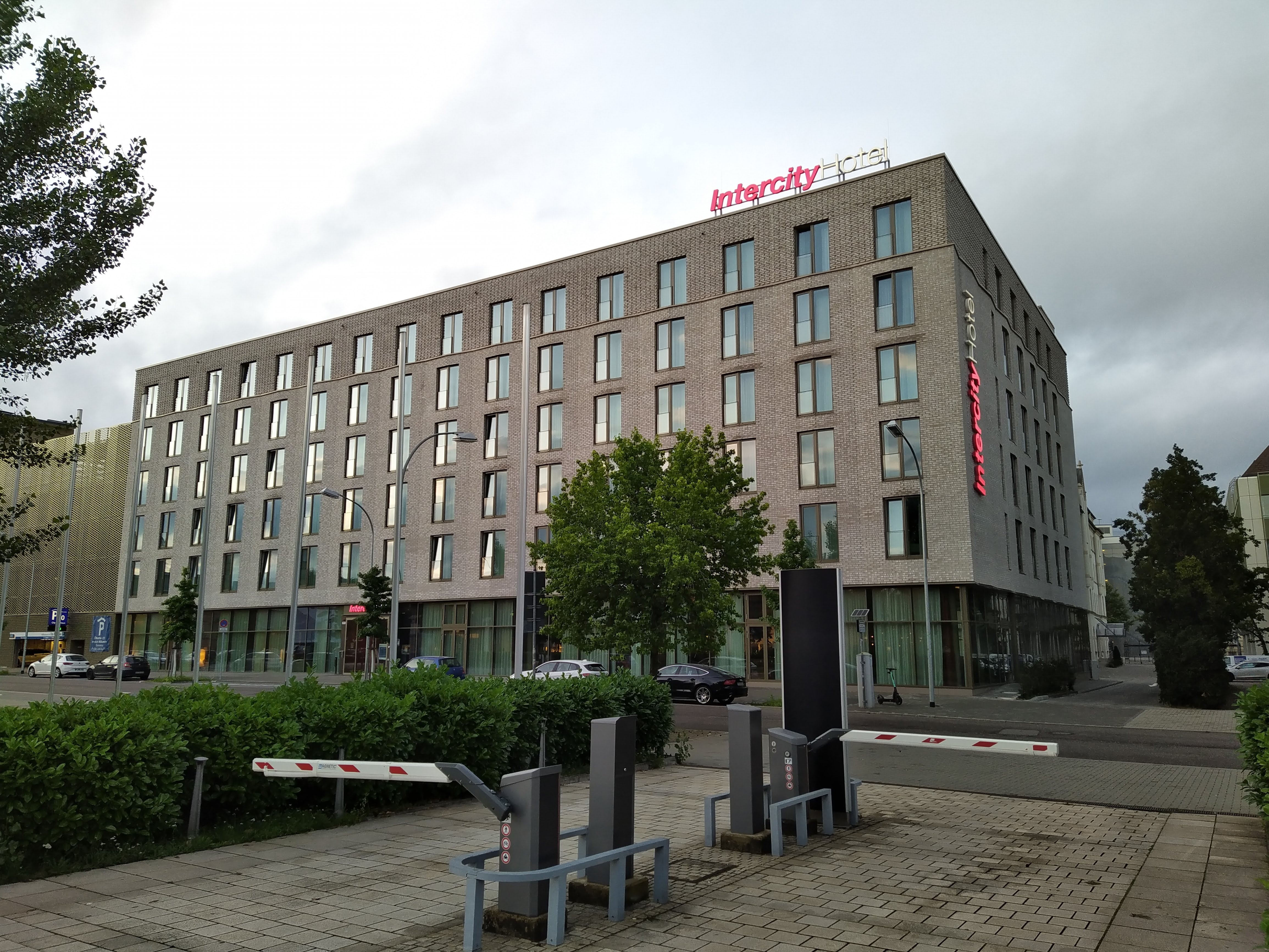
July is the high season on the Istrian coast, and the Croatia Travel Guide 2026 notes that peak-season accommodation in Croatia can be roughly 30% higher than shoulder-season rates. Travel writers also flag that July hotels in popular coastal cities can book up months ahead. If you're set on a particular hotel or a sea-view room, booking well in advance is the safer bet. When choosing where to stay, the Visit Pula guide suggests basing yourself near the centre for walkable access to the Arena, Forum and restaurants, or near the coast if your priority is beach time. Look for accommodation a short walk from a Pulapromet bus stop if you plan to use day-trip boats or visit outlying beaches.
Money, costs and saving tips
Croatia adopted the euro on 1 January 2023, so there is no longer any need to exchange into the old kuna. The euro is the official currency in Pula. Credit cards — Visa, Mastercard and Diners — are widely accepted, but it is still worth carrying some cash for small konobas, market stalls and taxis. Prices in Croatia include 25% VAT, and non-EU residents travelling onward to a non-EU country can claim this back through the Tax-Free Shopping scheme at major shops.
A rough national budget for Croatia in 2026, drawn from the Croatia Travel Guide 2026, runs from about €54 per day for budget travellers up to €314 per day for luxury travellers, with mid-range travellers spending €115–€133 daily. A week in Croatia averages €805–€952 per person. Live rates and prices should always be checked before travel.
Practical ways to keep costs down in peak July:
- Book accommodation several months ahead. - Buy Pulapromet bus tickets online or at a kiosk instead of on the bus. - Take lunch as the main meal — many konobas offer cheaper set menus at midday. - Drink tap water — Pula's tap water is safe to refill bottles.
Safety and practical tips
The Canadian government advises taking normal security precautions in Croatia. Pula is generally considered safe, but petty crime such as pickpocketing and purse snatching is common in main cities, on public transport, in hotel lobbies, on restaurant terraces and at tourist sites. Keep belongings secure, avoid displaying large amounts of cash, and don't leave valuables in parked cars.
Two specific risks are worth flagging. Some bars and clubs in Croatia have been known to overcharge; always confirm prices before ordering, avoid running a tab, and check your bill carefully. The travel advice also warns against accepting food or drinks from strangers, which may be spiked.
For emergencies in Croatia, the general number is 112; police 192, fire 193, medical 194. Pula's tourism office can be reached on +385 52 219 197. A 24/7 pharmacy operates in the city centre: Istarske Ljekarne Pula Centar (+385 52 222 544).
Other useful practical details:
- Electricity is 220V with Type F (two-round-pin) sockets; bring an adapter if travelling from outside Europe. - Tap water is safe to drink. - Bars permit smoking; restaurants and shopping centres do not. - Most shops are closed on Sundays, although traders may open on certain Sundays each year — check with your hotel if a specific Sunday matters. - Tipping is appreciated but not mandatory; up to 10% in restaurants is typical. - Croatia is part of the Schengen area, so EU travellers don't need a visa; visitors from the US, UK, Canada, Australia and New Zealand can stay up to 90 days within any 180-day period visa-free. - Time zone is Central European Time, with daylight saving observed from late March to late October.
Eating like a local: Istrian dishes
Pula's food scene is grounded in konobas — traditional Istrian taverns focused on seasonal ingredients, slow cooking and family-run hospitality. Coastal konobas specialise in seafood; inland and suburban ones lean toward meat, pasta, olive oil and truffles. Wine lists usually highlight Istrian producers, with Malvasia for whites and Teran for reds.
Classic dishes to look for:
- Istrian pršut — air-dried ham, milder than Italian prosciutto, often served with local cheese, olives and bread. - Maneštra — a hearty stew of beans, potatoes, cabbage and sometimes pork. - Fuži with truffles — handmade Istrian pasta served with a creamy truffle sauce. Both white and black truffles grow in the surrounding countryside, with peak season running from September through December; many restaurants still serve truffle dishes in July using preserved truffles. - Fresh Adriatic seafood — grilled fish, squid (lignje) and octopus prepared simply with olive oil, garlic and lemon. - Brodetto — a traditional fish stew served with bread for soaking up the broth. - Black risotto — risotto coloured with cuttlefish ink, often remembered as one of the most distinctive local dishes.
For dessert, look for fritule (small fried dough balls flavoured with citrus) and kroštule (thin fried pastry strips dusted with sugar). Istrian olive oil is regarded as some of the best in Europe and is used generously in cooking and at the table. A shot of rakija, the local fruit brandy, is a common welcome drink or after-dinner pour.
Final notes
Pula in July delivers warm Adriatic swimming, long evenings and a packed events calendar, but the trade-off is peak-season crowds and higher prices. Booking accommodation and any popular events well in advance, buying bus tickets online rather than on board, and planning sightseeing for the cooler parts of the day all help keep things comfortable.
Factual travel conditions can change quickly. Check the Pula Tourism Office (pulainfo.hr), the Pulapromet website for bus timetables and tickets, your government's travel advisory and your accommodation provider before you go.
Exchange rates shown are for reference only; check the current live exchange rate before departure. Prices, opening hours, schedules, reservation rules, and local conditions can change; verify them through official channels before departure.
Share this article
TOOLS FOR THIS PLAN
Make the Pula plan measurable
Choose a tool only when it answers the next question in your trip. Your values stay in the browser, and each tool offers a route back to this planning context.