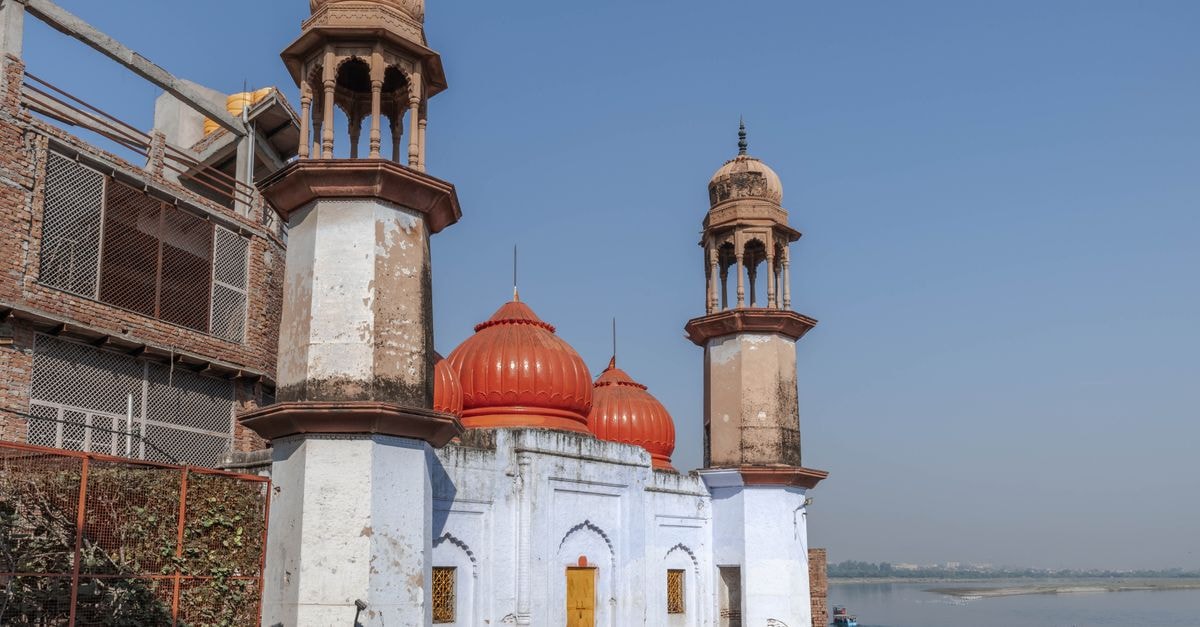
A first impression of Bareilly

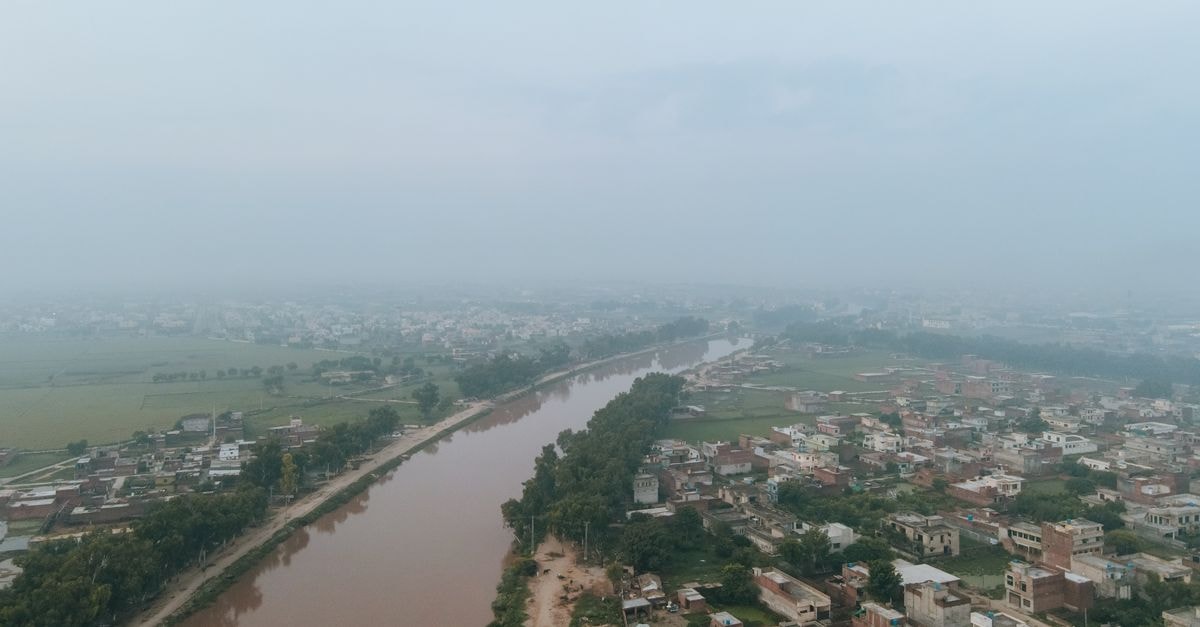
There is something quietly absorbing about arriving in a city that doesn't need to announce itself. Bareilly sits in western Uttar Pradesh with the kind of layered identity that rewards slow looking: a place long tied to faith and learning, and to the rhythms of everyday North Indian life. For a traveller, the city opens up gently, through museum rooms, railway platforms, and the small counter of a sweet shop where the afternoon slows down.
The guided sections below focus on what is well supported about visiting Bareilly: its heritage corners, its connection to the wider rail network, and the confectionery tradition that locals are genuinely proud of. Think of it as a starting framework, the kind of notebook you fill in as you walk.
Heritage stops and museum corners
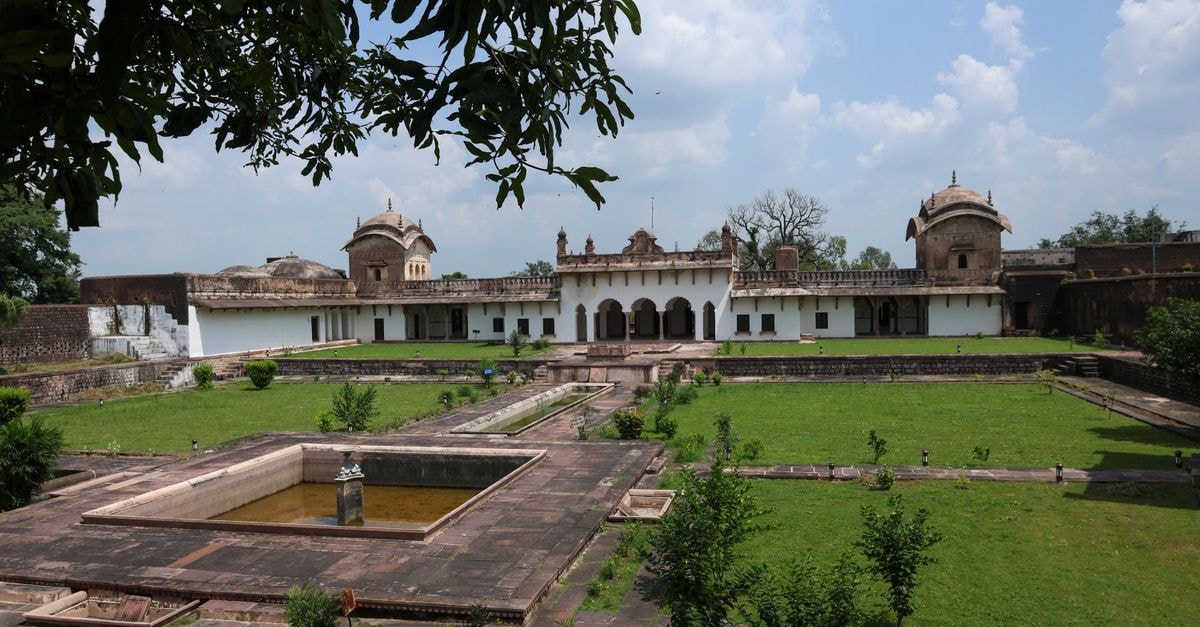
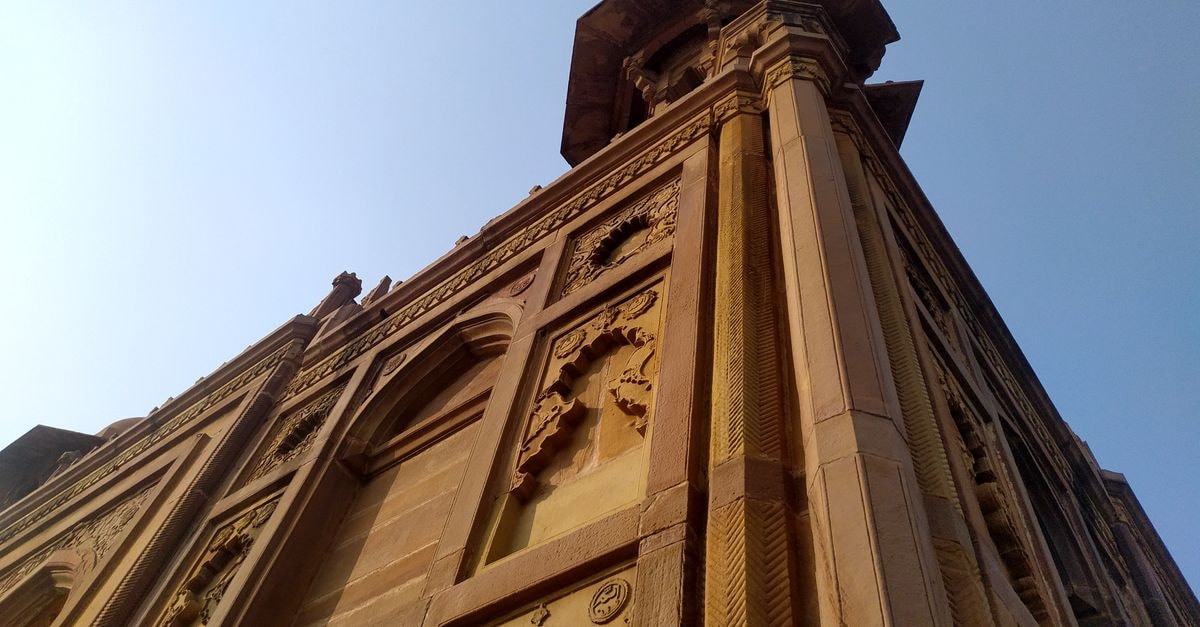
Bareilly wears its history lightly, but it does wear it. The city is historically known as "Sanjashya," and tradition holds that it is the place where the Buddha descended from the Tushita celestial realm to return to the earthly plane. That spiritual layer sits in the background of a visit, colouring the older neighbourhoods and temples without demanding a formal itinerary.
For something more tangible, the Panchala Museum, set inside the University Campus, holds an excellent collection of artifacts and manuscripts that traces the region's long story. It is the sort of place where an unhurried hour can turn into two. Across the city, the Army Service Corps Museum in Bareilly Cantonment adds a different kind of depth, connecting visitors to the military history of the cantonment area. Both museums are practical anchors for a first day in the city, especially for travellers who like to understand a place before they wander its streets.
Beyond the museums, the city has the everyday texture of a bustling Uttar Pradesh centre, with parks and shopping malls threaded into residential and commercial neighbourhoods. They offer natural pauses: somewhere to sit, browse, or watch local life flow past between heavier sightseeing stops.
Getting in and moving around
Bareilly is well tied to Delhi by rail. Several trains, including the Shatabdi Express and the Sampark Kranti Express, connect the two cities, which makes the journey from the capital straightforward and flexible. For most independent travellers arriving from elsewhere in India, the railway station is the most useful gateway and the easiest place to begin getting oriented.
Within the city, autorickshaws and cycle rickshaws are part of the everyday transport mix, and the relatively compact core around the cantonment and university areas means that many of the museum stops can be reached without long transfers. As with any Indian city, it is worth confirming local transport details through your hotel or a trusted local contact before setting out, since routes, fares and timings shift over time.
The sweet tradition of Bareilly
If there is one edible signature Bareilly is known for, it is its sweets. The city has a strong confectionery tradition, and two preparations stand out as recurring local favourites: Bal Mithai, a dense, milk-based sweet with a characteristic texture, and Laddu, the familiar round sweet that varies across India but has its own loyal following here. Sweet shops are part of the city's rhythm, the kind of places locals stop at on the way home, and visitors quickly find that a tray of mithai is a sociable way to share an afternoon.
This sweet culture sits within a wider North Indian fondness for milk-based confections, where festive gifting and family gatherings often centre on a box of mithai. In Bareilly that habit feels especially entrenched, and it is one of the more accessible ways to engage with the city's everyday life: a small box, a short conversation, and a shared plate.
A traveller's posture for the visit
Bareilly is best approached at an easy pace. The museums reward curiosity, the parks and shopping areas invite a stop, and the sweet shops invite conversation. Plan for unhurried afternoons, especially in the older parts of the city, and leave room in the day for the unexpected: a temple compound you did not expect to enter, a courtyard you walk into on the way back to your hotel, a long glass of chai at a corner stall.
It also helps to remember that Bareilly is a working city, not a museum piece. Cantoment areas, university neighbourhoods, and the bustling markets all carry their own patterns of opening and closing, and the most rewarding visits tend to slot into those patterns rather than fight them. Early mornings are comfortable for outdoor movement, mid-mornings work well for museums, and late afternoons are ideal for a sweet stop before the evening settles in.
A small note on practicalities: exact ticket prices, museum opening hours, and current transport timetables are best confirmed through official channels closer to your travel date, since these details can change. Treat the suggestions above as a sturdy framework rather than a fixed schedule, and adjust once you are on the ground.
Closing thoughts
Bareilly is not the kind of city that advertises itself loudly, and that is part of its appeal. The Buddha's descent, the museum collections, the rail links to Delhi, and the long tradition of Bal Mithai and Laddu together give any visitor a clear sense of where to start. Beyond that, the city tends to reveal itself in small moments: a quiet gallery, a familiar sweet, a conversation at a counter. Give it a couple of days, walk more than you plan to, and let the layers come to you.
A short verification note for travellers: factual details such as museum timings, train schedules, and local services can change. It is always wise to check official sources and local information before departure so that your plans reflect current conditions on the ground.
Share this article
TOOLS FOR THIS PLAN
Make the Bareilly plan measurable
Choose a tool only when it answers the next question in your trip. Your values stay in the browser, and each tool offers a route back to this planning context.