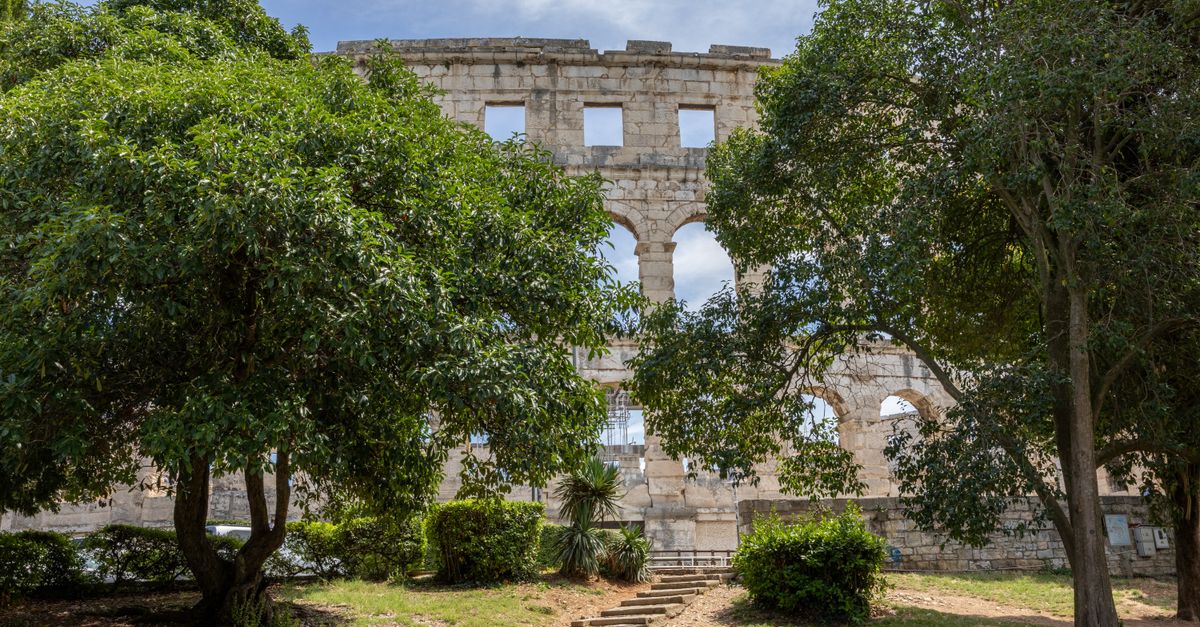
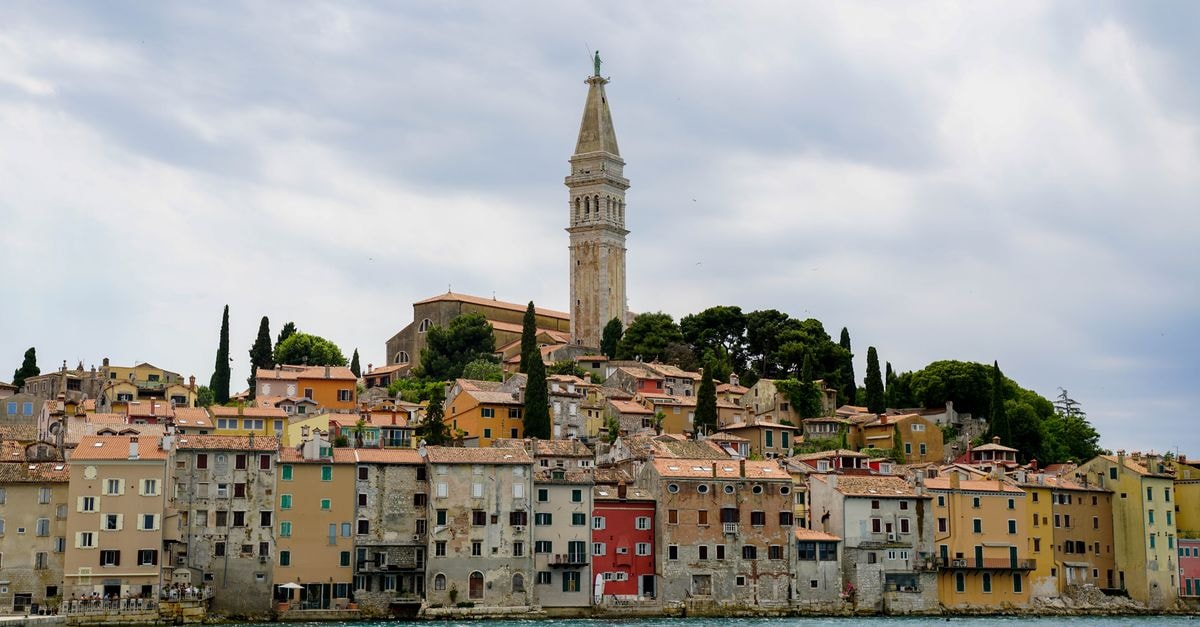
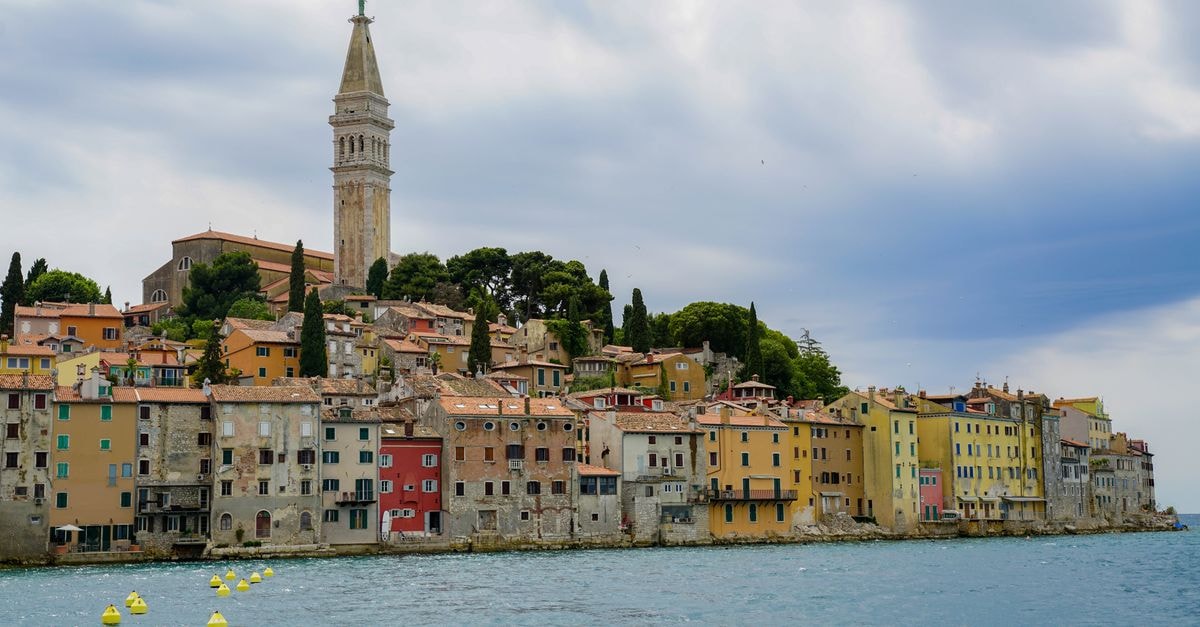
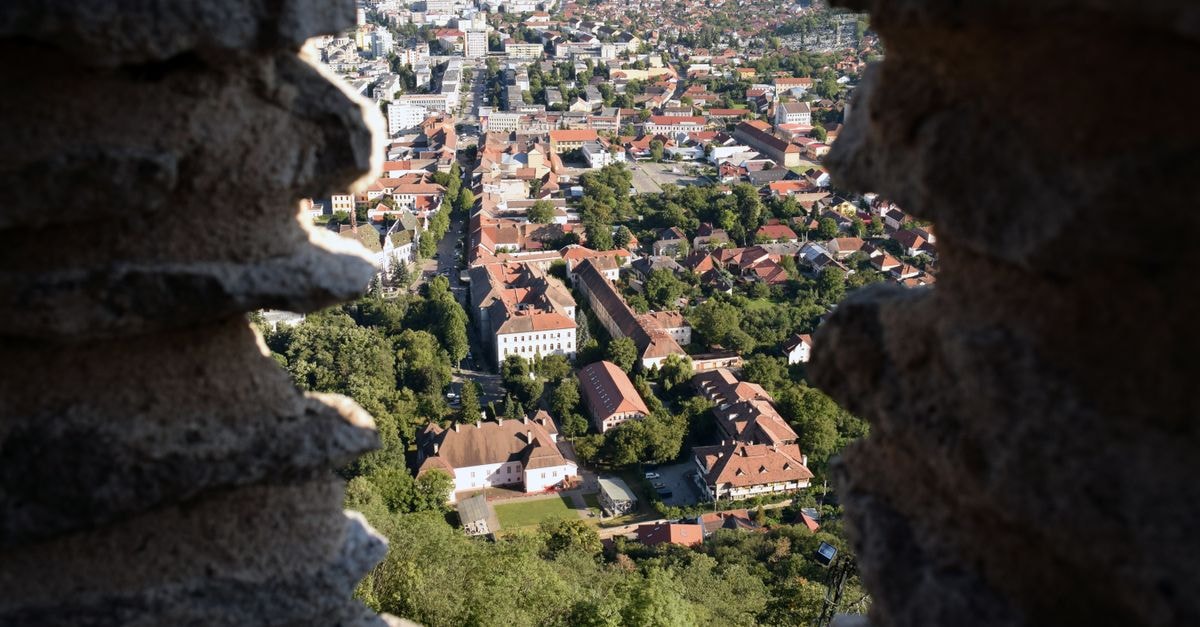
There's a particular kind of quiet thrill in turning a corner in an old European port city and stumbling straight into a colonnade from two thousand years ago. Pula, on the tip of Croatia's Istrian peninsula, is that kind of place. It's one of Croatia's larger and historically rich cities, and it wears its Roman past lightly, tucked between modern cafés, harbor walks, and Adriatic light (F1-1, F1-2). A short visit is enough to feel the rhythm, but the city also works beautifully as a base for wider exploration.

Weather and seasonal context
Pula enjoys a sunny coastal climate that draws visitors for its combination of warm days and sea breezes. The general feel of the place is exactly that: a haven for culture lovers and sun-seekers alike, with coastal scenery and a wealth of ancient Roman architecture threaded through the streets (F1-2). Because the city leans into outdoor wandering, from the harbor to its historic core, days tend to unfold at a slow, sunny pace that rewards unhurried travelers.
How long you stay really depends on what you want to do once you're here. A short visit covers the main historic highlights and the waterfront, while longer stays are often shaped by how much of Istria you want to see from the city (F3-1, F3-2). If you're using Pula primarily as a base for day trips beyond the city, matching your stay length to the number of excursions you plan keeps things relaxed rather than rushed. If your focus is the city itself, even a compact visit can feel surprisingly complete.
The climate is mild enough that walking between sights rarely feels punishing, though the sun can be strong in the middle of the day. Pacing the day around cooler mornings and late afternoons tends to suit visitors who prefer lingering over a single museum or square rather than racing between checkpoints.
Getting around and exploring the Roman core
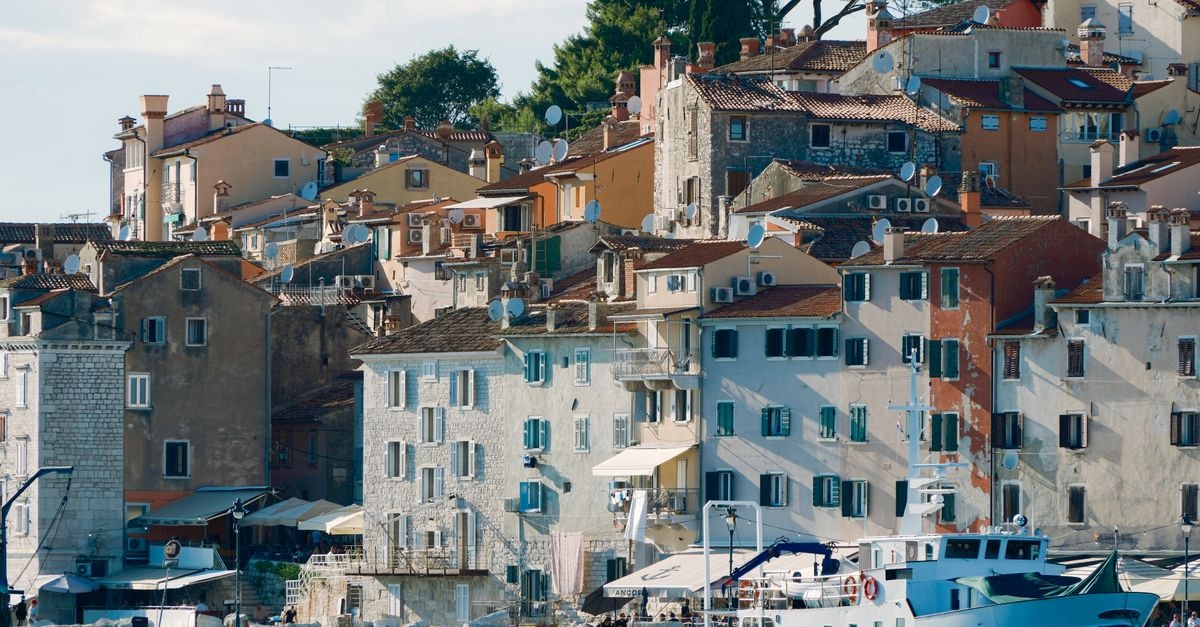
Pula's historic center is compact and walkable, which means most of the Roman-era highlights can be reached on foot from a central base. The most striking example is the Temple of Augustus, which dominates the Forum and stands as a beautifully preserved Roman temple dedicated to Emperor Augustus (F4-1). Its exterior is genuinely the main draw, and you can admire it freely from outside without buying a ticket, which suits travelers who prefer open-air sightseeing (F4-1, F4-2).
Inside the temple, there is a small museum that sometimes requires a modest entry fee of around €2-3 (F4-2). For visitors who like a quick cultural stop rather than a long museum visit, the small interior is easy to fit into a broader walking route. If you prefer to keep things outdoors, the exterior alone delivers the full architectural impact. The fee is worth confirming locally on the day, since small details like this can change.
Practical anchors for your visit
Pula's Roman remains are not tucked behind expensive ticket walls. The Temple of Augustus, in particular, is free to admire from the outside, which makes the historic core accessible for travelers who want to experience layered history without committing to a long string of museum entries (F4-1). For visitors who like to balance their days between major sights and spontaneous wandering, this is a city where both approaches work comfortably.
The combination of harbor scenery and ancient architecture also means that simply walking from one quarter to the next tends to feel like the sightseeing itself. Travelers who enjoy unhurried coastal strolls may find that the route between sights offers as much pleasure as the destinations.
Choosing what fits your trip
The shape of your visit really depends on whether Pula is the main event or a launchpad. If you arrive primarily for the Roman architecture and the Adriatic atmosphere, a short stay focused on the historic center and waterfront will likely feel satisfying, with the Temple of Augustus as a natural centerpiece for a half-day of wandering. If you plan to use the city as a base for broader Istrian exploration, mirroring your stay length to the number of planned excursions tends to keep the rhythm relaxed rather than overpacked (F3-2). Either way, the walkable core and free-to-view Roman landmarks make it easy to spend time outdoors, which suits travelers who prefer slow discovery over a packed schedule. For those who enjoy combining a single small museum visit with broader outdoor sightseeing, the modest Temple of Augustus interior is an easy optional stop.
Because small details like entrance fees and seasonal conditions can shift, a quick check of official local listings before you go is always wise. Factual travel conditions can change, and official channels should be checked before departure.
Share this article
TOOLS FOR THIS PLAN
Make the Pula plan measurable
Choose a tool only when it answers the next question in your trip. Your values stay in the browser, and each tool offers a route back to this planning context.