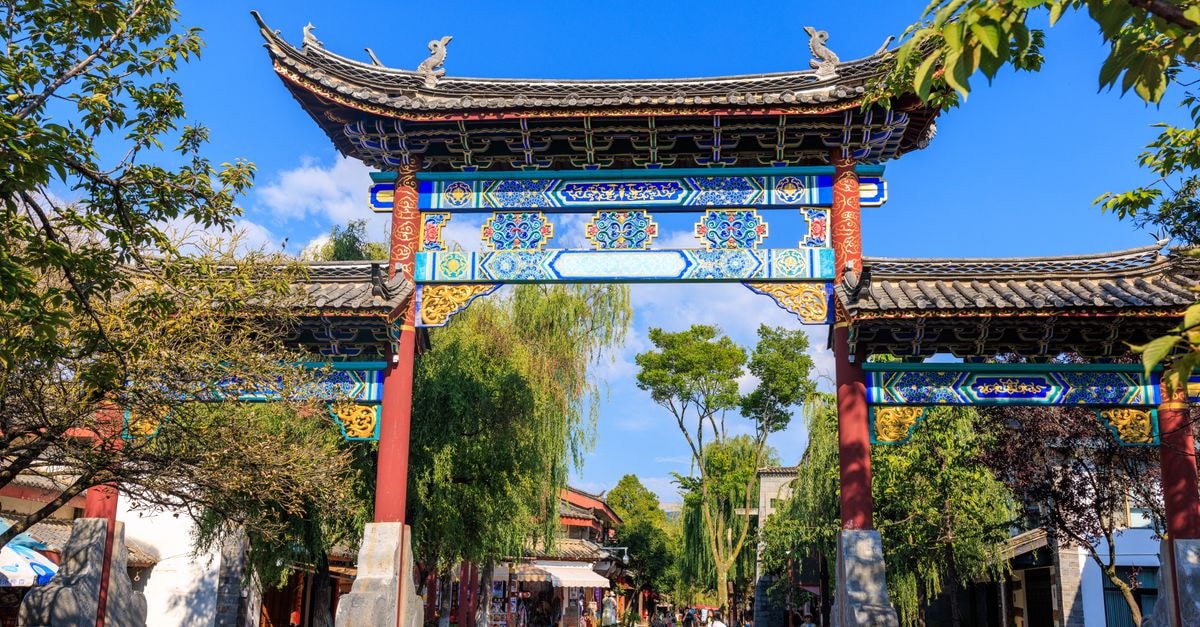
Tucked into the eastern reaches of Yunnan, Qujing has a quieter rhythm than the province's better-known destinations. The city sits in a basin where rolling hills meet karst outcrops and rivers carve long valleys, and travelers who slow down here are rewarded with a kind of unhurried, everyday China that feels far from the tourist trail. This guide gathers the practical pieces — moving through the city, finding the food, and choosing where to spend your time — so you can shape a visit that fits your own pace.

Weather and seasonal context
Qujing's climate gives the city a temperate feel that many visitors describe as refreshing after the heavier humidity of southern China. Across the year the climate shows distinct seasons, with cooler stretches in the middle of the year and milder conditions for much of the rest, so the right pacing often depends on when you arrive. Travelers tend to appreciate layering a light jacket over daytime clothes, since Yunnan plateau weather can shift between sunshine and a cool breeze within a single afternoon.
For planning, it helps to think of Qujing as a year-round city rather than pinning plans to a single window. The same plateau light that softens summer afternoons can make a winter morning feel sharper, and local life simply adjusts. A loose plan — one or two anchor stops per day with breathing room between — usually beats a packed schedule, especially if you are arriving from a lowland city and need a day to acclimatize to the altitude.
Getting around
Qujing is a city built around a few clear transport hubs, and most of what you'll need is reachable from them. The urban area center, Qujing Railway Station, and Qujing North Railway Station form the practical anchors for getting in and moving between neighborhoods. Travelers often find that mastering the local transportation pattern — whether that means a short taxi hop from a station or a longer bus ride into the surrounding hills — makes the whole trip feel more intuitive.
Arriving by train is a common choice, since Qujing has two train stations serving the city. From the airport area, the travel time into the city is around an hour, which is useful to keep in mind when booking a connecting train or planning your first evening on arrival. Within the city itself, a mix of taxis and local buses handles most day-to-day trips, and rides to scenic spots outside the urban core are straightforward to arrange. As with many smaller Chinese cities, having a translation app ready and your destination written in Chinese characters smooths the way considerably.
Attractions and planning
Qujing's appeal for nature lovers sits at the intersection of plateaus, rivers, and waterfalls. The area is home to a waterfall group that ranks among the most celebrated in China and is widely described as one of the most spectacular waterfall clusters in the country. For travelers building a short list, this kind of site pairs naturally with slower valley walks and viewpoints that don't require a full day of hiking. The surrounding scenery — layered ridges, terraced fields, and the kind of light that shifts quickly across the plateau — rewards visitors who come with time to linger rather than a checklist to clear.
For broader planning, it helps to anchor a visit around two or three themes: a natural-landscape day, an urban-walk day centered on the city center and its food streets, and a slower day that lets you drift between cafés, parks, and small local landmarks. Popular categories that other travelers look for in Qujing include night attractions, family-friendly outings, and water-based escapes during warmer stretches, which gives a sense of the city's range without locking you into a particular itinerary.
Food and local context
Qujing's kitchen is rooted in Yunnan's agricultural abundance and the province's long-standing ethnic diversity, and the result is a cuisine that feels hearty, fragrant, and deeply tied to place. The city's most recognizable dish is Qujing Small Pot Rice Noodles — a bowl of rice noodles cooked in a small individual pot, served in a simple, fragrant broth that locals happily eat at any time of day. The preparation style reflects a wider Yunnan fondness for rice noodles as everyday comfort food, and the small-pot version is often what travelers remember most vividly about meals here.
Beyond the signature bowl, the food culture draws on the same Yunnan's rich agricultural abundance that shapes dishes across the province: fresh mushrooms when in season, pickled vegetables, chili-forward relishes, and herbal greens that show up in stir-fries and soups alike. Wider Chinese dining customs — shared dishes in the middle of the table, tea arriving with the meal, and the easy rhythm of eating in small, family-style restaurants — are part of everyday meals here as well, and visitors usually settle into the pattern quickly. As anywhere, asking a local server for a recommendation or pointing at what looks good on neighboring tables is often the best way to find a memorable meal.
A note on practicalities
Qujing rewards travelers who treat it as a city to wander through rather than race across. Budget-wise, the city sits comfortably in mid-range Yunnan territory: street food and small restaurants keep daily food costs modest, while taxis and short intercity transfers are affordable by international standards. Keep in mind that any cost figures serve as a reference only, since prices can shift, and travelers should always check current rates and exchange information before budgeting a trip. Currency conversions in particular are only a snapshot, and the live rate may differ by the time you travel.
A final reminder: practical travel details — train schedules, taxi availability, attraction access, and local opening patterns — can change. Before departure, it is worth checking official transport and tourism channels for the most current information so your plans match what is actually in place on the ground.
Prices, opening hours, schedules, reservation rules, and local conditions can change; verify them through official channels before departure.
Share this article
TOOLS FOR THIS PLAN
Make the Qujing plan measurable
Choose a tool only when it answers the next question in your trip. Your values stay in the browser, and each tool offers a route back to this planning context.