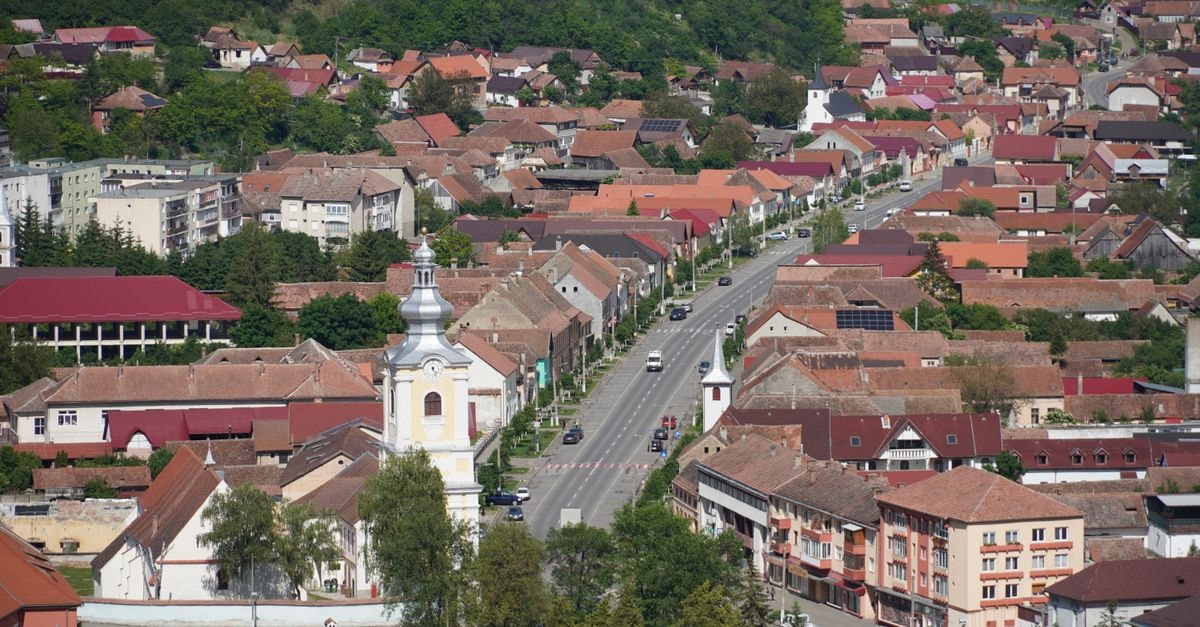
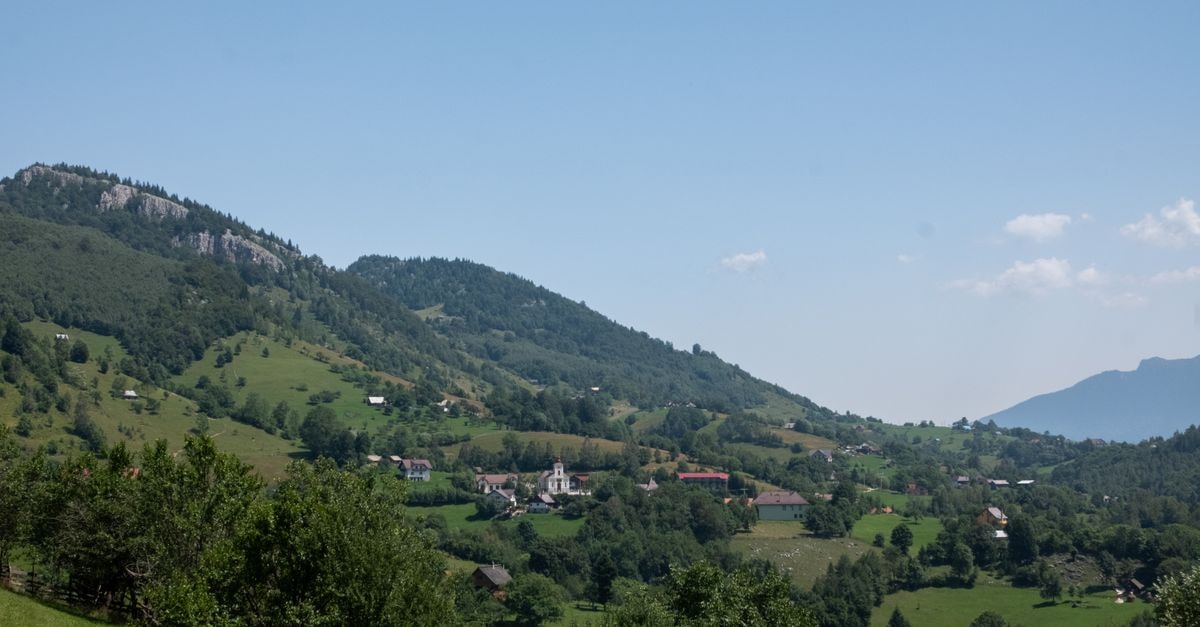
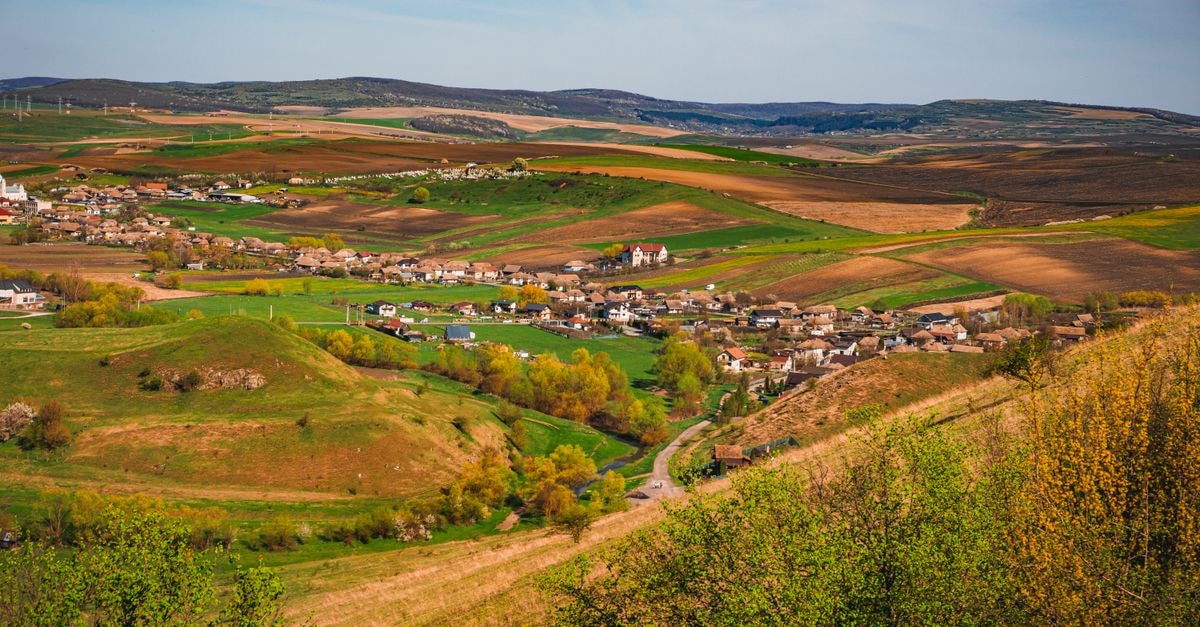
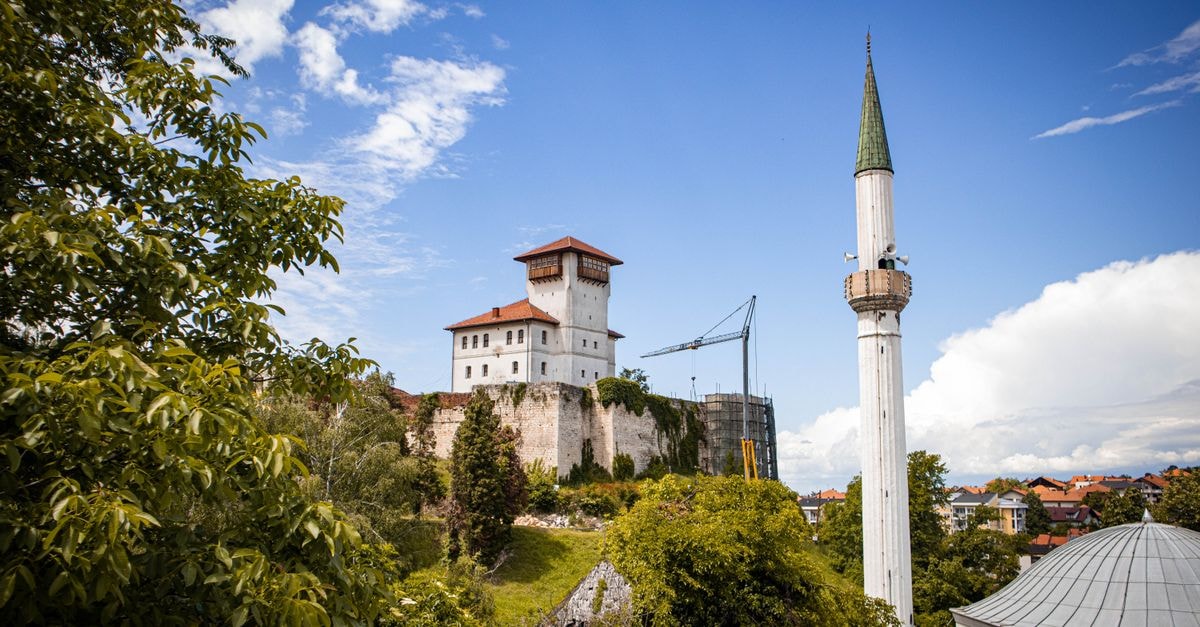
A quiet southern gateway with mountain energy

The appeal, for the kind of traveler this guide is written for, is the balance. There is enough urban life to feel comfortable, and enough natural quiet nearby that the air often seems a little softer than in the busier Romanian capitals. If you are the type who enjoys a slow morning, a long walk, and the option to bolt on an experience rather than cram the day, the rhythm of Râmnicu Vâlcea tends to suit you well.
Weather and seasonal context
Râmnicu Vâlcea sits in a transitional climate zone, with warm summers, cool shoulder seasons, and winters that can feel sharp in the river valleys. As a city anchored against the foothills of the Southern Carpathians, its weather can feel a touch cooler and more changeable than the plains to the south, especially on days when mountain air drifts down into the town.
For a traveler planning a visit, the practical takeaway is less about exact numbers and more about pacing. Layers are useful in any season, and mornings and evenings can feel noticeably different from the middle of the day. If you are the kind of visitor who plans outdoor time, anchoring bigger activities around the middle of the day tends to be the more comfortable approach, with gentler hours saved for strolls, cafés, or simply absorbing the slow street life. Because this is an evergreen guide, no specific month or current conditions are assumed; checking a live forecast close to your trip is always the safest move, since mountain-influenced weather in this part of Romania can shift quickly.
Getting around and arriving from the airport
For most international travelers, Râmnicu Vâlcea is reached by flying into a Romanian gateway airport and then connecting onward by road or rail. The local tourism information for Vâlcea County is explicit on the practical point: from the airport, you can take a train or bus to Râmnicu Vâlcea. That single sentence is genuinely useful, because it confirms that the city is not the kind of place where a rental car is the only sensible option. Public intercity links exist, and they are a realistic way to continue your journey.
A few soft considerations follow naturally from that fact. Schedules and operators for Romanian regional trains and intercity buses can vary by season and operator, so it is worth confirming departure times before you travel rather than assuming a specific frequency. If you are arriving late at night, planning the first leg of your journey to land earlier in the day tends to give you a calmer buffer to reach Râmnicu Vâlcea while services are still running comfortably. For getting around the city itself, the compact scale makes wandering a pleasure, and a short taxi or rideshare ride is usually the simplest way to bridge any distance you do not feel like walking.
Attractions and planning
Râmnicu Vâlcea is a useful base for travelers who like to fold one or two structured experiences into an otherwise relaxed stay. Booking platforms list tours and things to do in and around the city, with examples such as a 2-hour experience priced from €40 and a longer or upgraded activity priced from €85, both offering a free-cancellation option. Those two examples are useful as a rough scale-setting: short activities in the area can start in the tens of euros, while longer or more involved excursions can begin closer to the mid-double-digits per person.
The practical habit this rewards is booking one or two anchor activities in advance, then leaving the rest of the schedule loose. Because the city itself is calm and walkable, having a confirmed tour gives your day a backbone without forcing it into a rigid plan. If you are traveling with someone who enjoys a mix of self-guided wandering and a guided story, this combination tends to work especially well: a slow morning, a booked experience in the middle of the day, and an unscripted evening once you are back in town.
When comparing options, pay attention to duration, what is included, and whether hotel pickup is offered. Some listings start with a per-person rate and then adjust for group size, so the headline number is a floor rather than a ceiling. Free-cancellation policies also matter on a trip where weather and energy levels can change the plan, especially in a region where the mountain influence on the day is real.
A practical note on money
For everyday spending in Râmnicu Vâlcea, Romania uses the Romanian leu. The exchange rate between the leu and your home currency moves, so any figure you see before your trip should be treated as a reference rather than a guarantee. A quick check of the live rate on the day you arrive, or just before you convert, will give you a more accurate sense of what a coffee, a short taxi ride, or a small purchase actually costs in familiar terms. Card acceptance is common in hotels, larger restaurants, and many shops, while smaller family-run places may still prefer cash, so carrying a small amount of lei for everyday moments is a sensible habit.
A verification note before you go
Travel conditions shift, sometimes quickly, and the details in any guide should be treated as a starting point rather than a final answer. Schedules, prices, tour availability, and weather can all change between the time you read this and the time you travel. Before you set off, it is worth checking official transport operators for the latest timetables, confirming any booked activity with the provider, and reviewing a current weather forecast for Râmnicu Vâlcea and the surrounding foothills. With those quick checks in place, the city tends to reward travelers who arrive curious and unhurried, ready to enjoy a quieter corner of southern Romania.
Prices, opening hours, schedules, reservation rules, and local conditions can change; verify them through official channels before departure.
Share this article
TOOLS FOR THIS PLAN
Make the Râmnicu Vâlcea plan measurable
Choose a tool only when it answers the next question in your trip. Your values stay in the browser, and each tool offers a route back to this planning context.