A city shaped by rain, rivers, and rice paddies
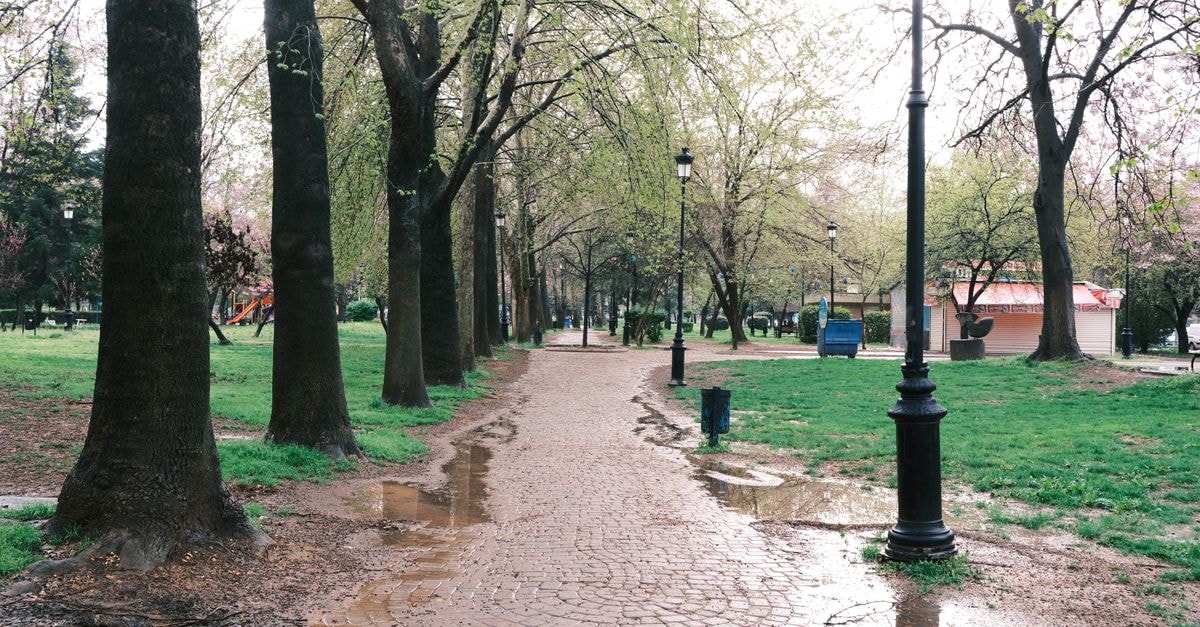
Rasht sits in the heart of Gilan Province along Iran's Caspian coast, a region better known to travelers for its great green belt than for arid steppe. The city's nickname, the “City of Rain,” hints at the humid, leafy atmosphere that defines daily life here. Locals joke that you can hear the rain before you see it, and umbrellas are as common as sandals. Beyond the weather, Rasht carries the cultural weight of northern Iran, with a long role as a market town linking the coast to the highlands behind it.
Because Gilan Province enjoys abundant rainfall and fertile lowlands, Rasht is also surrounded by gardens, paddy fields, and forested hillsides just outside the city limits. That natural frame is part of the draw for travelers who associate Iran mainly with deserts and dry plateaus. The Caspian coast itself is close enough that the sea breeze often softens the air, especially compared with cities deep inland.
If you are the kind of visitor who prefers destinations where nature, daily life, and food traditions sit close together, Rasht can suit you well. The city rewards slow wandering through its markets and lanes more than a checklist of monuments.
Weather and seasonal context
Rasht lies at roughly 37°16′ N latitude and 49°36′ E longitude, in the western Caspian region of Gilan. The city's reputation for frequent, generous rainfall is well deserved: the climate here feels closer to a mild, wet garden zone than to the dry image often associated with Iran. That humidity, combined with the surrounding rice paddies, gives Rasht its lush visual signature year after year.
Because rain is such a defining feature, a traveler who dislikes gray skies or damp sidewalks may want to reconsider how much time to spend outdoors. On the other hand, anyone who enjoys green landscapes, misty horizons, and the smell of wet foliage may appreciate the atmosphere. Light layers, a compact umbrella, and shoes that handle slick pavement tend to make the day more comfortable.
Temperatures in the Caspian lowlands generally stay milder than in central or southern Iran, and the coastal humidity can make warm days feel heavier than the thermometer suggests. Planning a slower pace for midday, with cafes and covered markets as a base, often works well. If you prefer photographing villages and gardens, the soft, overcast light that comes with Caspian cloud cover can actually flatter the scenery.
Food and local context
Rasht is the only Iranian city designated as a UNESCO Creative City of Gastronomy, a recognition it earned for the depth and continuity of its food traditions. That distinction puts it in a small global club of places where everyday cooking is treated as cultural heritage. Visitors who travel for cuisine, and food traditions often find Rasht a rewarding stop.
The signature of Gilan's kitchen is the pairing of fresh herbs, rice from the surrounding paddies, locally caught fish from the Caspian, and the sour notes of verjuice, pomegranate, garlic, and cured olives. Smoke-filled teahouses serve thick black tea in small glasses, a habit shared with much of wider Iran.
For travelers, this wider Iranian context matters because Rasht visitors will likely encounter the same national staples of kebabs, stews, and rice as in other Iranian cities, alongside the Gilan-specific layers that earned Rasht its UNESCO status. Travelers who prefer light, vegetable-forward meals may find Rasht's herbal cuisine refreshing, while those who enjoy strong, sour flavors have plenty to explore. Anyone with strict dietary limits should plan to ask carefully about ingredients such as verjuice or local sour condiments, since the tangy profile is central to the regional palate.
Tea culture deserves a small note of its own. Sitting down with a glass of tea, often accompanied by a small piece of local sweets, is part of everyday hospitality. If you prefer quiet, conversational settings over traveling light hours, teahouses can be a good anchor between meals.
Choosing what fits the trip
A short reflection on how Rasht's two strongest themes might shape your plans can save time once you arrive. Rain is part of the city's identity rather than an inconvenience to avoid, so travelers who dislike humidity or gray skies may want to balance outdoor time with covered markets and teahouses. Food-focused visitors, on the other hand, often find Rasht rewarding simply because UNESCO-level recognition tends to be matched by rich everyday menus, with the wider Iranian table of kebabs, stews, and rice always within reach as familiar backup options. Pacing a day around a long lunch and an early evening tea, rather than racing between sights, tends to suit the city's rhythm.
A note on verifying details
Because Rasht's character leans on weather and cuisine rather than on tightly scheduled ticketed attractions, the most useful thing to check before you travel is the current forecast and how you plan to dress for humidity and rain. Local tourism offices, official Gilan Province channels, and your accommodation can usually confirm whether any seasonal events or markets are running during your visit. Factual travel conditions can change, and official channels should be checked before departure.
Share this article
TOOLS FOR THIS PLAN
Make the Rasht plan measurable
Choose a tool only when it answers the next question in your trip. Your values stay in the browser, and each tool offers a route back to this planning context.