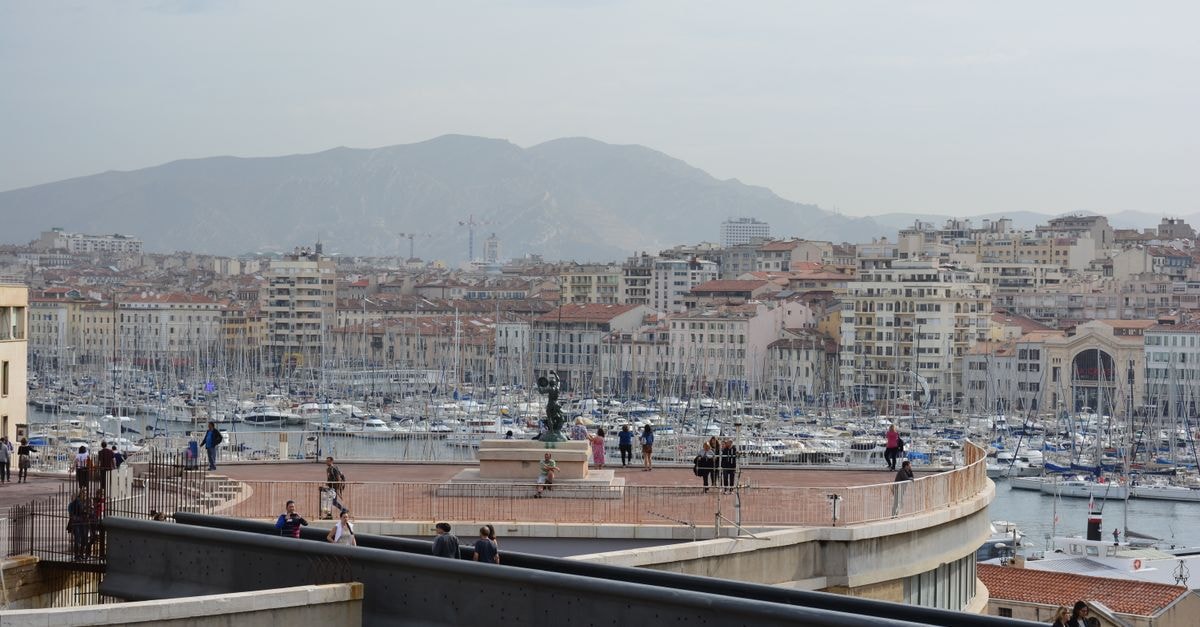
A compact city wrapped in Alpine scenery
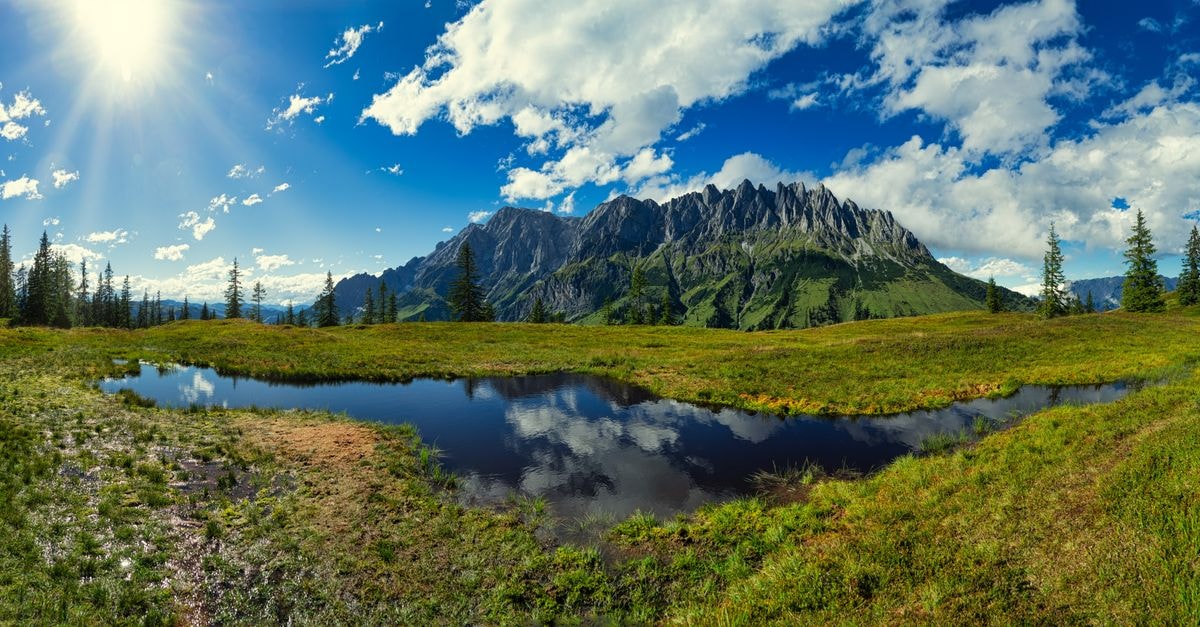
Salzburg has a way of feeling both intimate and cinematic. The old town sits small and walkable along the river, while the surrounding SalzburgerLand region — described in local tourism writing as a "piece of paradise" because of its mix of mountains, lakes, and cultural offerings — gives every visit a wider frame. The same regional source notes that whether the season leans warm or cool, between mountains and lakes, almost anything feels possible here. That blend of compact urban texture and surrounding nature is what makes Salzburg easy to plan for: you can settle into the city itself and still feel like the countryside is only a step away.
Weather and seasonal context
Weather in Salzburg shifts across the year, and layering is generally the friendliest approach. Mornings can feel crisp, midday hours can warm up under clear skies, and evenings cool down again as the surrounding hills cast longer shadows. Rather than packing for one fixed temperature, think in light layers you can add or remove through the day, and keep a compact rain layer within reach.
The Salzburg tourism site groups arrival and mobility guidance under "Planning my holidays in Salzburg," a reminder that weather shapes how you move around as much as what you see. If you prefer to slow the pace, the gentler midday hours are a natural window for longer walks along the river, while cooler parts of the day may be better for outdoor viewpoints. If you are more active and like to keep moving, expect a rhythm of warming up as the day progresses.
Getting around
Salzburg's old town is genuinely walkable, and most of the central sights sit within a short stroll of each other. Crossing the river, wandering along quieter side streets, and pausing in small squares are part of how the city is best felt on foot. Because distances inside the core are small, walking also lets you tune into the city's pace — something that matters in a place where architecture and scenery reward unhurried looking.
Beyond the center, the SalzburgerLand tourism page frames the wider region as varied and enchanting because of its diversity of mountains, lakes, and cultural offerings. The same source also points out that the experience shifts between summer and winter, which suggests that transport planning can shift with the weather. In practical terms, this means the way you move around the city itself may stay the same, while excursions outward might feel different depending on the conditions.
For travelers who prefer not to navigate too many logistics in a single day, the compact layout is helpful: you can spend a day almost entirely on foot and still feel you have covered the heart of Salzburg. Consider keeping bus or rail details for a half-day when energy is higher, rather than weaving them into every morning. If you like a slower rhythm, the city rewards sitting in a café between short walks, watching the river and the bridges rather than racing between stops.
One local-tourism description of fall in Salzburg mentions enjoying a relaxing evening at one of the city's breweries, paired with jazz and local traditions at the Rupertikirtag fair. For visitors who enjoy a cultural anchor to their evenings — a known event or a familiar gathering place — that points to a useful pattern: pair daytime exploration with an evening that has its own clear character, so the day feels rounded rather than stretched thin.
Food and local context
Food in Salzburg sits within a wider Austrian context that visitors will encounter across the country. A general Austria food guide notes that the republic's official name is the Republic of Austria, with Vienna as the capital and a population on the order of nine million. That nationwide framing is useful as background rather than as a city-specific menu: it confirms that Salzburg's tables are part of a broader Austrian culinary landscape, and that travelers who arrive expecting familiar Austrian dishes will find that context echoed in the city.
Because the approved evidence describes food culture at the Austrian scope rather than naming specific Salzburg restaurants, markets, or dishes, the most honest guidance is to treat meals as part of the city's atmosphere rather than as a checklist. A relaxed meal after a walk through the old town, a coffee pause while watching the river, or a longer evening in a traditional setting can each carry the same cultural weight. Travelers who prefer to anchor their days around food may want to plan one longer, unhurried meal each day, rather than trying to fit in many short stops.
If you enjoy pairing food with atmosphere, an evening that combines a meal with a cultural touch — such as the brewery evenings mentioned in local autumn descriptions of Salzburg — may suit the rhythm of the city. If you prefer quicker, lighter meals between activities, the compact old town makes that easy as well. Either way, framing meals as part of Salzburg's daily rhythm, rather than as standalone destinations, tends to match how the city actually unfolds.
Choosing what fits the trip
Salzburg rewards travelers who like a city that is both small and surrounded by variety. A few patterns can help shape the days. If your priority is atmosphere, a walk-heavy plan centered on the old town and the river, with one slower evening anchored around a brewery or a cultural event, suits the city's scale. If your priority is range, the surrounding SalzburgerLand region — with its mountains, lakes, and cultural offerings — becomes the natural counterweight to time spent inside the city, and transport planning shifts to match the weather and the chosen activity. Travelers who prefer fewer moves and more depth may want to keep the core walkable and treat regional variety as a complement rather than a checklist. Each of these approaches stays within Salzburg's compact footprint while still leaving room for the wider region to shape the trip.
Before you confirm
Factual travel conditions in Salzburg can shift over time, from transport details to opening patterns for cultural venues. Before departure, it is worth checking official Salzburg and SalzburgerLand tourism channels for current information on events, transport, and any seasonal changes that could affect the days you have planned.
This guide is evergreen in nature and built around durable Salzburg context rather than a specific calendar window. Specific dates, prices, and schedules should always be verified against the latest official sources before you travel.
Share this article
TOOLS FOR THIS PLAN
Make the Salzburg plan measurable
Choose a tool only when it answers the next question in your trip. Your values stay in the browser, and each tool offers a route back to this planning context.