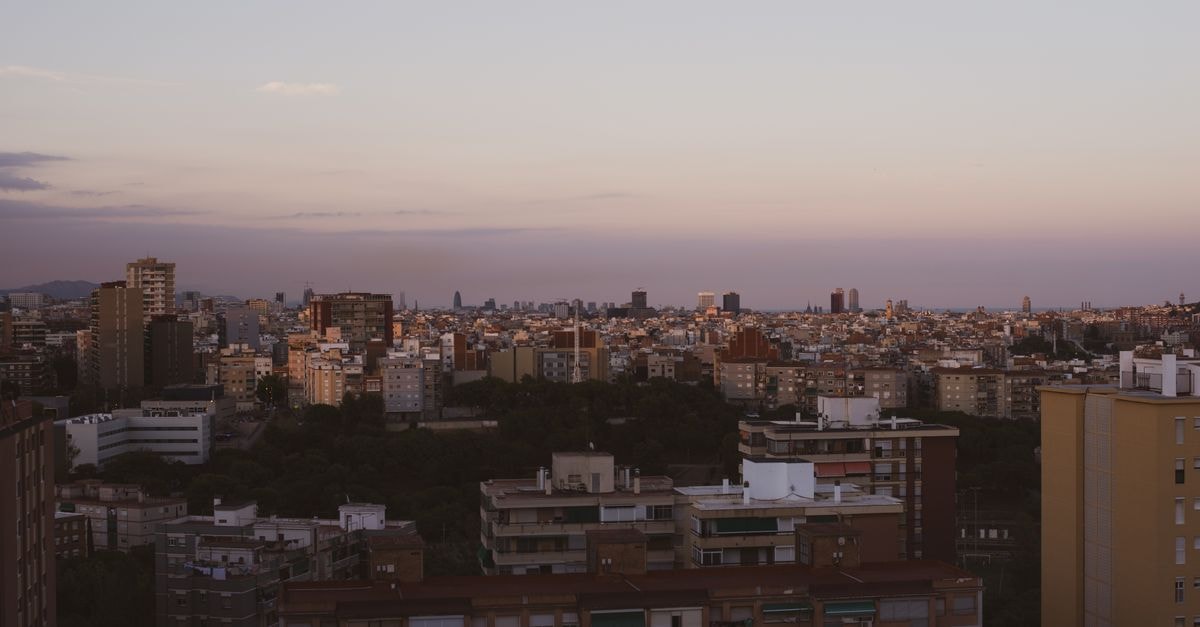
A small capital tucked into the hills

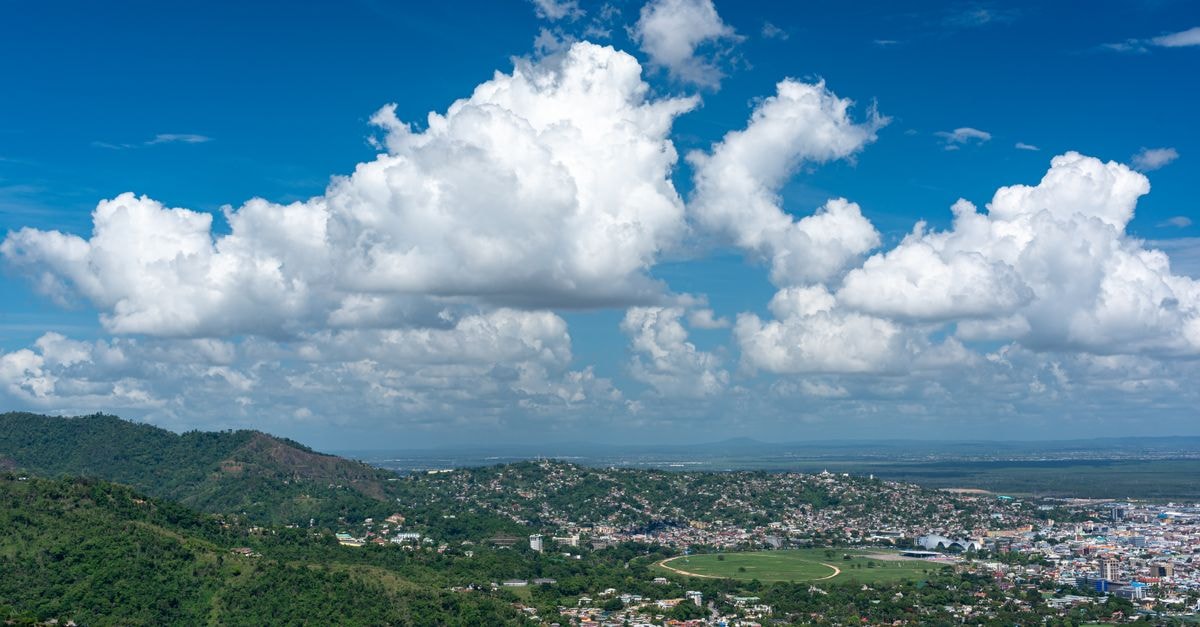
San Juan de los Morros has a quiet kind of presence. It is the capital of Guárico state and the seat of the Juan Germán Roscio municipality, a town set in the central stretch of Venezuela rather than on any of the country's better-known coastal or Andean axes. The surrounding landscape is what gives the place its character before anything else: visitors arriving for the first time tend to notice the rock formations and ridgelines that frame the town, including the landmark known as Monumento Natural Morros de San Juan, which rises above the rooftops and tends to dominate panoramic views of the city.
The settlement itself spreads across hilly terrain, and that topography quietly shapes how the place is arranged. Neighborhoods climb and dip with the contours of the land, streets bend rather than run in straight lines, and the views from higher points reward anyone who enjoys a slower, vertical kind of wandering. The town sits at an elevation noted on reference pages for the city, which gives evenings a slightly cooler feel than the lowland cities further north and lends the air a fresher quality at the higher viewpoints.
Guárico is one of Venezuela's larger states by area but has a low population density, and San Juan de los Morros carries that spaciousness in its everyday rhythm. It feels less like a bustling capital and more like a regional town that happens to hold an administrative role, which can be appealing for travelers who prefer a calmer pace over the scale of Caracas or Maracaibo.
Weather and seasonal context
San Juan de los Morros sits in the central llanos-and-hills belt of Venezuela, where the climate generally leans toward warmth year-round with periods that can feel noticeably humid, depending on the time of year. Because the town is built into hilly terrain, visitors sometimes find that conditions can shift from one neighborhood to the next, with sheltered lower streets feeling warmer and exposed ridgelines catching more breeze.
Rather than planning around a single weather window, it helps to think about pacing. The strong midday sun tends to make outdoor exploring more pleasant earlier or later in the day, and the elevated viewpoints around the Morros de San Juan are best appreciated when the light is softer. Travelers sensitive to heat often build their sightseeing around mornings and late afternoons, leaving the middle of the day for a slower meal, a museum visit, or simply resting.
Light, breathable clothing is generally a sensible bet at any time of year, and a light layer can be useful for evenings at higher elevations, where temperatures can dip slightly. Rain is possible in many months in this part of Venezuela, so a compact rain jacket or umbrella is a sensible thing to keep within reach. Because conditions on the ground can vary, it is always wise to check a current forecast close to departure rather than relying on a general sense of the season.
Getting around the hilly streets
The first thing most visitors realize on arrival is that San Juan de los Morros is not a flat city. The town spreads across hilly terrain where mountain formations shape how neighborhoods are arranged and built, which has practical consequences for anyone planning to explore on foot or by vehicle.
Walking is rewarding in the flatter central stretches, but be ready for climbs and descents once you move away from the town core. Comfortable shoes with good grip are arguably the single most useful item to pack, especially if you plan to approach any of the viewpoints that look out over the Morros de San Juan. Many of the most photogenic angles require going uphill, and the same streets that look easy on a map can feel longer once the gradient kicks in.
For longer distances within the town and the wider municipality, local transport options tend to handle the topography more comfortably than walking. Drivers who know the area are used to the steep streets and switchbacks, which can save energy for actually enjoying the scenery. Visitors planning to explore the surrounding countryside, including the natural monument itself, usually find it easiest to arrange transport locally rather than trying to piece together connections on the fly.
A few practical habits help. Allow extra time for any journey, since roads in hill towns can be slower than they look on paper, and ask locally about current road conditions if you are heading outside the urban area. The town's coordinates sit roughly around 9°54′39″N, 67°21′29″W, which is useful for setting GPS expectations before you arrive.
Food and local context
San Juan de los Morros does not announce itself as a culinary capital, but as a Venezuelan town it sits inside a much wider national food culture that visitors will encounter throughout their stay. Venezuelan cooking carries a quiet insistence on maize, and corn in its many forms tends to show up at almost any meal of the day.
The arepa is the cornerstone of that tradition: a cornmeal cake griddled until the outside turns into a crackling crust and the inside remains steamy and soft. It is eaten at breakfast, lunch, and dinner across the country, and travelers in San Juan de los Morros will find it just as present here as anywhere else in Venezuela. Arepas can be split and filled with cheese, shredded beef, black beans, plantain, or a long list of other ingredients, and trying a couple of different fillings is one of the simplest ways to get a feel for the local rhythm of eating.
Meals in Venezuela tend to be social rather than solitary affairs. Sharing dishes at the table is common, and portions are often generous enough to be passed around. For travelers, that translates into a few practical habits worth picking up. Meals can run longer than expected, conversation flows easily between courses, and it is usual to linger rather than rush. If you are eating in a small local spot, expect a relaxed pace and a warm welcome.
Because specific restaurants, menus, and prices in San Juan de los Morros change over time and vary from street to street, it makes sense to ask where you are staying for current recommendations, or simply to follow what looks busy at lunchtime. The busiest local places are usually busy for a reason, and Venezuelan lunch culture tends to reward the well-frequented corner fonda or family-run establishment over anywhere that looks too polished.
A note on practicalities and verification
San Juan de los Morros rewards a slow, observant style of travel rather than a checklist approach. The town is small enough to get a feel for within a day or two, but its hilltop viewpoints and the surrounding landscape of Guárico state give it enough variety to justify a longer, quieter stay.
Before traveling, it is worth confirming current conditions through official channels, including transport availability, road access to viewpoints such as the Morros de San Juan, and any local guidance on weather. Travel conditions on the ground can change, and what works on one visit may need adjusting on the next. Currency and exchange details also shift, so treat any rates you encounter as a reference rather than a guarantee, and check the live rate before exchanging money.
For a destination that does not lean heavily on big-ticket attractions, the pleasure here is in the everyday details: the way the streets bend with the hills, the slow rhythm of a regional capital, and the steady presence of Venezuelan staples like the arepa at every meal. With a little flexibility and a willingness to let the town set the pace, San Juan de los Morros offers a genuinely different side of Venezuela from the better-known coastal and Andean routes.
Share this article
TOOLS FOR THIS PLAN
Make the San Juan de los Morros plan measurable
Choose a tool only when it answers the next question in your trip. Your values stay in the browser, and each tool offers a route back to this planning context.