A river city with two worlds at its edge

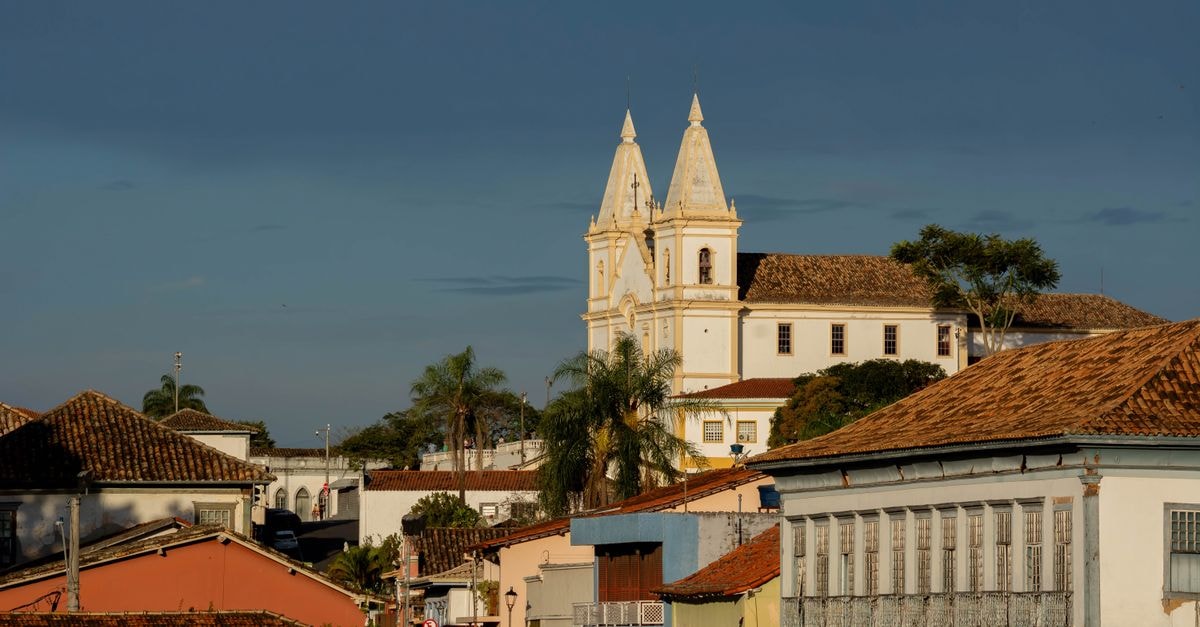
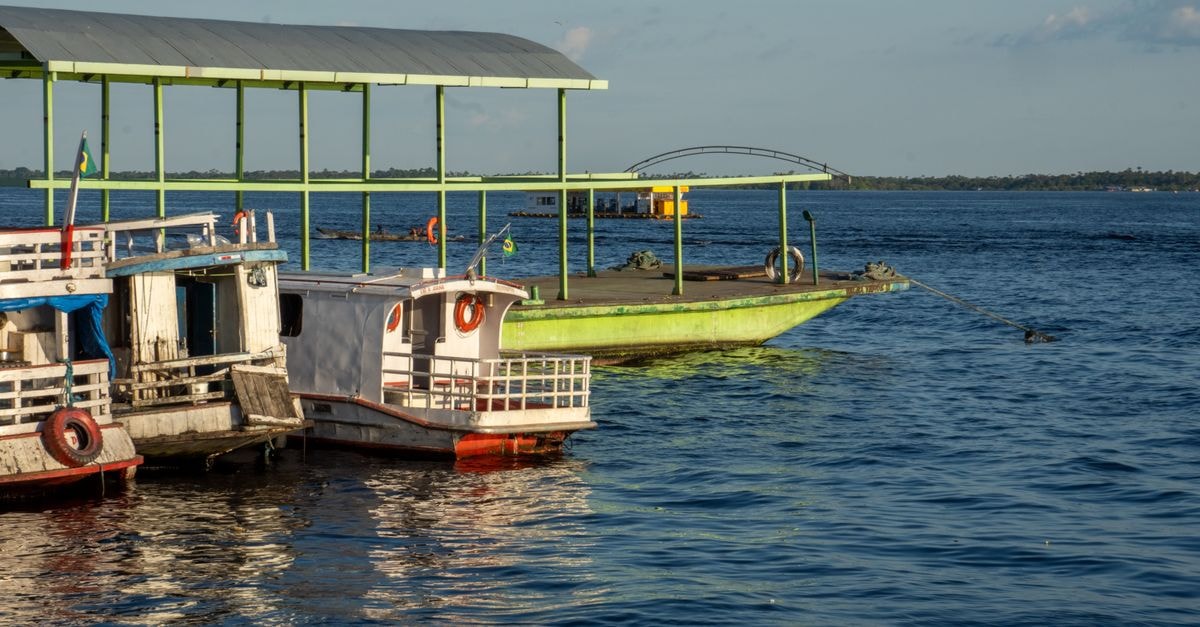
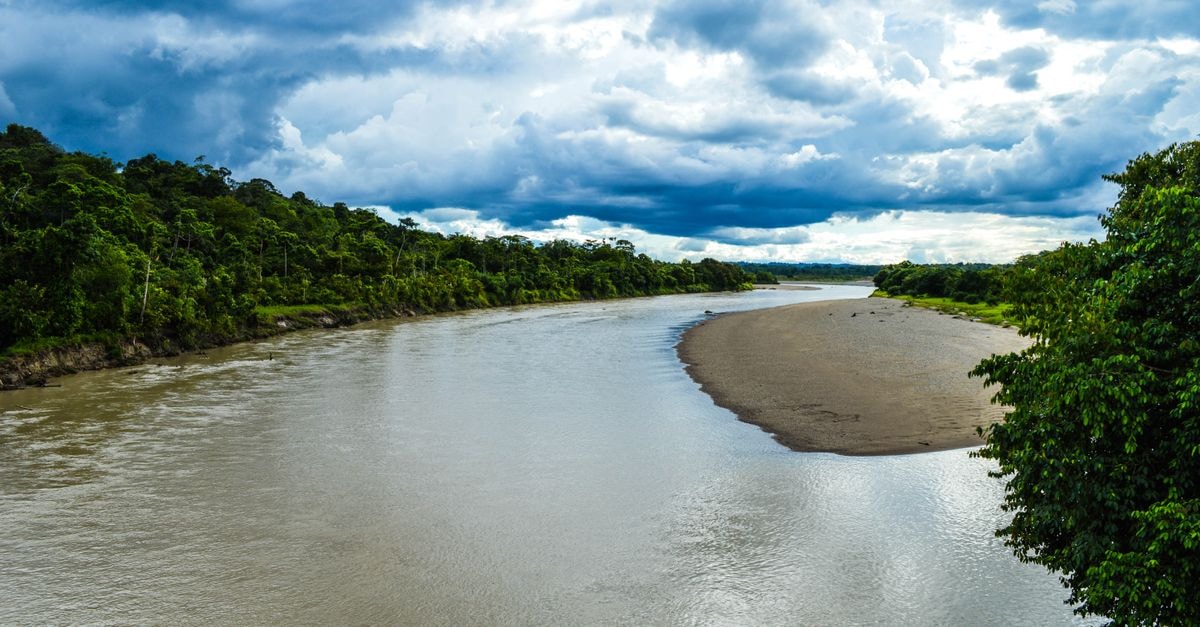
Santarém sits in the state of Pará, in northern Brazil, where the Amazon and the Tapajós rivers meet. That single geographic fact shapes almost everything about a visit: the wide brown horizons, the slow pace of river life, and the easy sense that the forest is never far from the waterfront. The city is officially described as a place of many wonders, rich in diversity, beauty, and tradition, and visitors tend to feel that layering almost immediately, with a historic center, busy markets, and river viewpoints all within a short reach.
If you arrive curious about Amazonian culture rather than just Amazonian scenery, Santarém rewards that curiosity. It is a working regional capital, not a resort, which means the texture of daily life is part of the appeal. Mornings can feel unhurried, the riverfront draws people at sunset, and the food scene leans confidently into regional ingredients. Plan for a city stay that lets you slow down, taste the local cuisine, and step into the surrounding forest on a guided outing, rather than trying to rush a long checklist.
Weather and seasonal context
Santarém's climate is shaped by its position deep in the Amazon basin, with warm temperatures year-round and a rhythm defined more by rain than by traditional seasons. According to long-term climate data for the city, the average sliding 31-day rainfall is essentially constant, pointing to steady, low-variation rainfall rather than a dramatic shift across the period. In practical terms, that means visitors should not expect a sudden change in weather patterns once they arrive; rain is a normal part of the day, often arriving in heavy but short bursts, and the air typically feels humid. Packing a light rain layer, quick-dry clothing, and footwear that can handle wet pavement is a sensible baseline. Plan your day with the assumption that the warmest stretch tends to fall in the early afternoon and that the gentlest hours for walking are often early morning and late afternoon.
Because the rainfall pattern stays steady, the city generally feels consistent rather than event-driven. Outdoor plans, river viewpoints, and forest excursions are all part of the rhythm, but flexible timing helps. If a heavy shower passes through, the streets, markets, and cafés all continue as normal, and the river and sky often look most dramatic right after a rain. Treat the climate as a constant companion rather than a variable to chase, and the rest of the trip falls into place more easily.
Getting around
Santarém is served by the local airport, often referenced by its code STM, which connects the city to other parts of Brazil. A useful logistical note for travelers with early flights, long layovers, or late arrivals is that the airport offers the possibility of spending the night, provided the terminal is open 24 hours. That makes it a practical backup for anyone arriving on a red-eye or departing before dawn, though it is always worth confirming current terminal hours on the day of travel, since airport access policies can change.
Within the city, the compact center makes short taxi rides, rideshares, and on-foot wandering the most natural way to get around. The waterfront, the main commercial streets, and the market areas sit close together, so a relaxed walking pace covers a lot of ground before the heat of the day sets in. For excursions beyond the city, including time in the surrounding forest, guided tours typically handle transport as part of the experience, so arranging those in advance is usually the smoothest path.
Attractions and planning
No visit to Santarém is complete without engaging with the cultural heritage of the region, and that heritage is woven into both the city itself and the natural places just beyond it. A practical first stop is the Municipal Market, often described as the ideal place to experience local products and crafts, where you can get a feel for regional ingredients, hand-made goods, and the everyday food culture of Pará in a single visit. It works well as an orientation stop, since it gives you a sense of what the city eats, makes, and values before you head further out.
For nature, the Tapajós National Forest offers ecological trails and tours through the forest, and this is the kind of experience that benefits from booking through a local guide. A guided outing into the forest adds context to the riverside views from the city, and it pairs naturally with a slower afternoon back in town afterward. The Amazon and Tapajós rivers are also part of the sightseeing experience in their own right, and a sunset by the water, or an early-morning walk along the waterfront, is one of the simplest ways to feel the scale of the place.
A balanced approach tends to work best: spend part of the visit in the city center, with the market and waterfront as anchors, and set aside time for a guided forest experience. That mix gives you both the cultural layer and the natural setting the city is known for, without trying to compress everything into a single rushed day.
Food and local context
The local cuisine is one of the strongest reasons to visit, and it reflects the Amazonian setting directly. Typical dishes of the region include tacacá, a warm Amazonian soup made with tucupi (a fermented cassava liquid), dried shrimp, and jambu leaves that produce a distinctive tingle, and pirarucu, a large river fish that is often grilled or served in regional preparations. Both show up in markets, casual restaurants, and food stalls, and they are a good way to taste the local identity rather than generic Brazilian fare.
This is also where wider Brazilian and Amazonian food culture can show up on the plate, and visitors will encounter it across Pará. Regional ingredients like açaí, cassava in many forms, freshwater fish, and tropical fruits tend to appear in daily meals, sometimes as snacks, sometimes as the main event. The Municipal Market is a natural place to start tasting: you can try small portions, see what is in season, and learn the names of fruits and dishes you may not recognize. A relaxed attitude works well here, since part of the pleasure is discovering new flavors by asking what they are and watching how locals eat them.
Plan meals around curiosity rather than a fixed list, and let the market and the waterfront set the pace. Lunch tends to be the heartiest meal, while lighter snacks and fruit show up later in the afternoon, and dinner often runs later than in many other parts of Brazil. Drinking water, staying hydrated, and pacing meals around the warmth of the day all make the food experience more comfortable.
A few final notes for the road
Santarém rewards travelers who arrive with patience and a sense of curiosity rather than a packed schedule. The combination of rivers, forest, market life, and Amazonian cooking gives the city its identity, and the experience tends to be most rewarding when you let each piece unfold at its own pace. Keep some flexibility for weather, build in time for a guided forest outing, and leave room in your plans for an unhurried meal at the market.
Travel conditions can change, and details such as airport hours, market opening times, and tour availability should be confirmed through official channels or your accommodation before your trip. Local guidance, whether from hosts, guides, or tourism offices, is one of the best resources in a city like this, and it often points you toward experiences that do not show up in any list.
Share this article
TOOLS FOR THIS PLAN
Make the Santarém plan measurable
Choose a tool only when it answers the next question in your trip. Your values stay in the browser, and each tool offers a route back to this planning context.