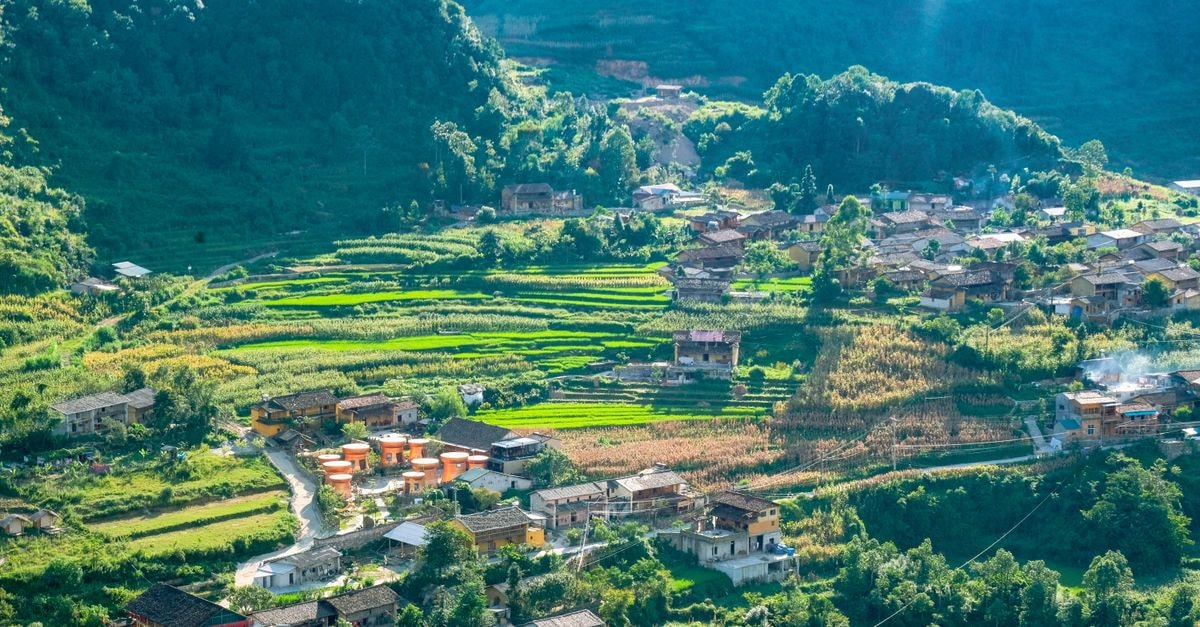
A first glimpse of Srinagar

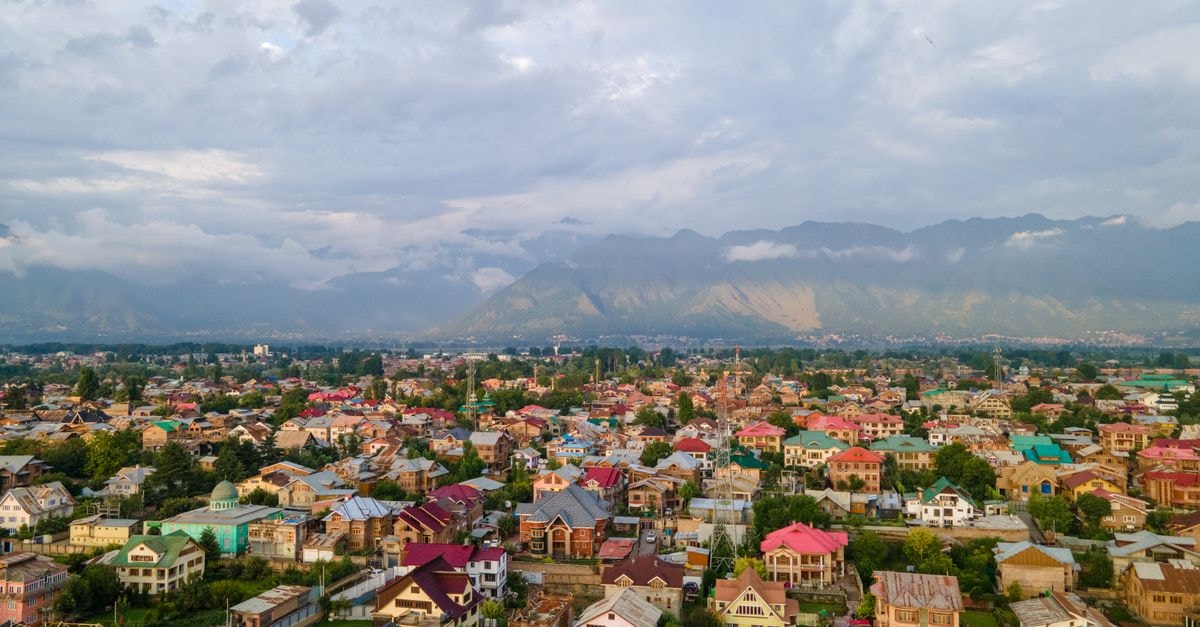
There is a particular kind of hush that travellers often describe on first arriving in Srinagar, the kind that arrives with the mountains rather than with the city itself. Set high in the Himalayas, this is a destination whose reputation rests on landscape as much as on any monument.
What gives Srinagar its layered character is a long history that stretches back into ancient times, shaped over centuries by dynasties whose legacy lives on in gardens, architecture, and the way the city is laid out along its waterways. According to the official Srinagar District narrative, the Mughal era in particular left behind "a legacy of magnificent gardens and architectural marvels," and that influence is still very much part of how the place feels today. Travellers do not need to study history to appreciate this; it shows up in the symmetry of a stroll, the sight of chinar trees reflected in still water, and the way light falls across old stonework.
This guide is written for the independent traveller who wants a steady, useful foundation: how to think about the weather rhythm here, how the city connects to the wider region by rail and air, and how to approach the major sights without rushing. It is intentionally evergreen in tone, since conditions on the ground change and the most reliable planning tool is an up-to-date official source closer to the date of travel.
Weather and seasonal context
Srinagar sits high enough in the Himalayas that the year feels distinctly seasonal, and any traveller considering when to come should think in terms of rhythm rather than a single best window. The local District administration notes that flights to the city are best booked in advance during the peak season that runs roughly from April through October, which is a useful practical cue even if you are arriving outside that stretch. It simply signals that the summer half of the year is when the destination is busiest, and that early planning tends to pay off during those months.
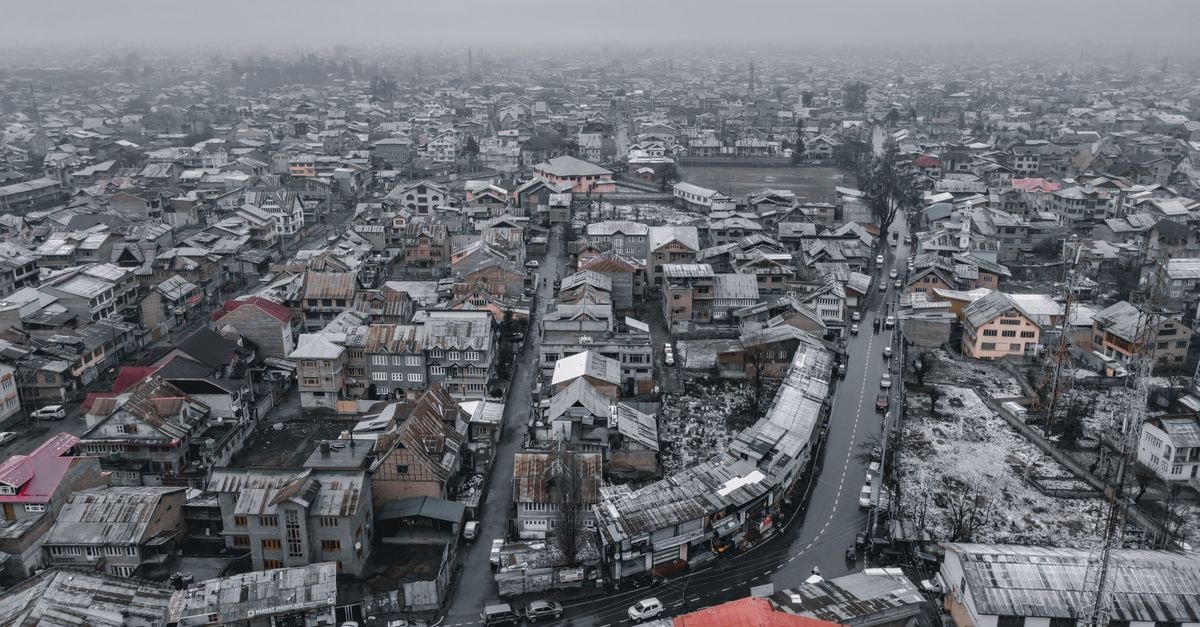
Long-term climate context for Srinagar generally means warm, pleasant summers and cold, snowy winters, with spring and autumn offering transitional colour and quieter streets. Even in warmer months, evenings can cool noticeably because of the elevation, and winter brings genuine cold rather than a mild chill. Without a current source for the present weather window, the safest framing is gentle: layers tend to be more useful than a single season's wardrobe, and the day often rewards a slower pace, with sightseeing clustered around the milder hours.
Travellers who prefer fewer crowds, lower airfare, and crisp views often lean towards the shoulder windows. Those who want the gardens in full bloom typically aim for the warmer months. Either way, the takeaway is consistent: book ahead during the peak stretch, and treat the rest of the year as a quieter, colder experience that needs warmer clothing and a more relaxed schedule.
Getting around
Srinagar's geography shapes how you move through it. The city sits in a valley framed by mountains, which means road approaches are limited and rail access has historically been more aspirational than operational. That has been changing, and it is worth understanding the current rail picture in calm, factual terms.
The USBRL project is the rail programme that links Srinagar to the wider Indian rail network. According to the District administration, the line is designed to extend from Udhampur via Katra, which serves the Vaishno Devi pilgrimage area, onward to Banihal and Qazigund, and finally into Srinagar. Within that project, the T-50 tunnel, noted as the longest tunnel on the route at 77 kilometres, is part of how the line reaches the city. For travellers, the practical meaning is that rail access to Srinagar is part of an ongoing programme of regional connectivity; whether a particular service is operating on a given day is something to confirm with Indian Railways or the station directly before relying on it for an onward journey.
It is also worth noting that Srinagar's position high in the Himalayas means road journeys in and out can be affected by weather, landslides, or seasonal closures. Building in a buffer day at either end of a tight itinerary is a small habit that pays back generously when mountain roads do not cooperate.
Attractions and planning
The phrase that comes up most often in visitor writing about Srinagar is the comparison to heaven, and the official tourism narrative leans into it, describing views that can make travellers question whether they are on earth at all. There is no need to take that language literally; it is a way of saying that the landscape does most of the talking here, and that the gardens and the mountains work together in a way that rewards unhurried looking.
Two practical notes apply to almost every visitor. First, photography is best approached with the same calm that the rest of the city seems to prefer; respectful behaviour at religious sites and in residential lanes is appreciated. Second, because the city is cradled in the Himalayas, weather can shift faster than the forecast suggests, and a light layer is useful even on warm days. None of this turns into a strict itinerary here, because the evidence does not support a fixed timetable; the goal is to leave room for the experience to settle in.
A note on practicalities and verification
Srinagar rewards travellers who arrive with a clear sense of how the destination works, then let the rest unfold. Book flights ahead during the busier stretch flagged by the District administration, plan for a layered wardrobe, and treat rail connectivity as part of an evolving programme rather than a finished system. Currency exchange and payments are best handled through official bank or authorised counters, and live rates should always be checked on the day rather than relied upon from any guide.
Factual conditions around Srinagar, like weather windows, road status, rail operations, and attraction access, can change. Before departure, it is worth checking the official District Srinagar portal, the Jammu and Kashmir Directorate of Tourism, and Indian Railways for the latest information. With that small habit in place, Srinagar tends to give back more than it asks of its visitors.
Share this article
TOOLS FOR THIS PLAN
Make the Srinagar plan measurable
Choose a tool only when it answers the next question in your trip. Your values stay in the browser, and each tool offers a route back to this planning context.