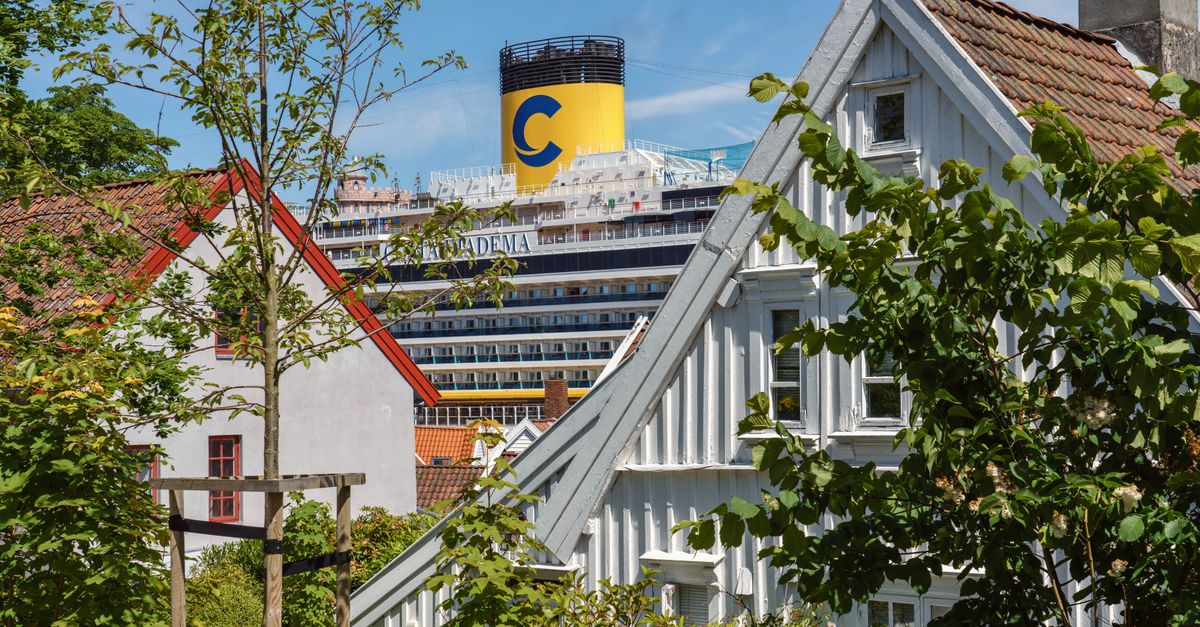
A mid-summer city opens its terraces and turns on the cathedral lights

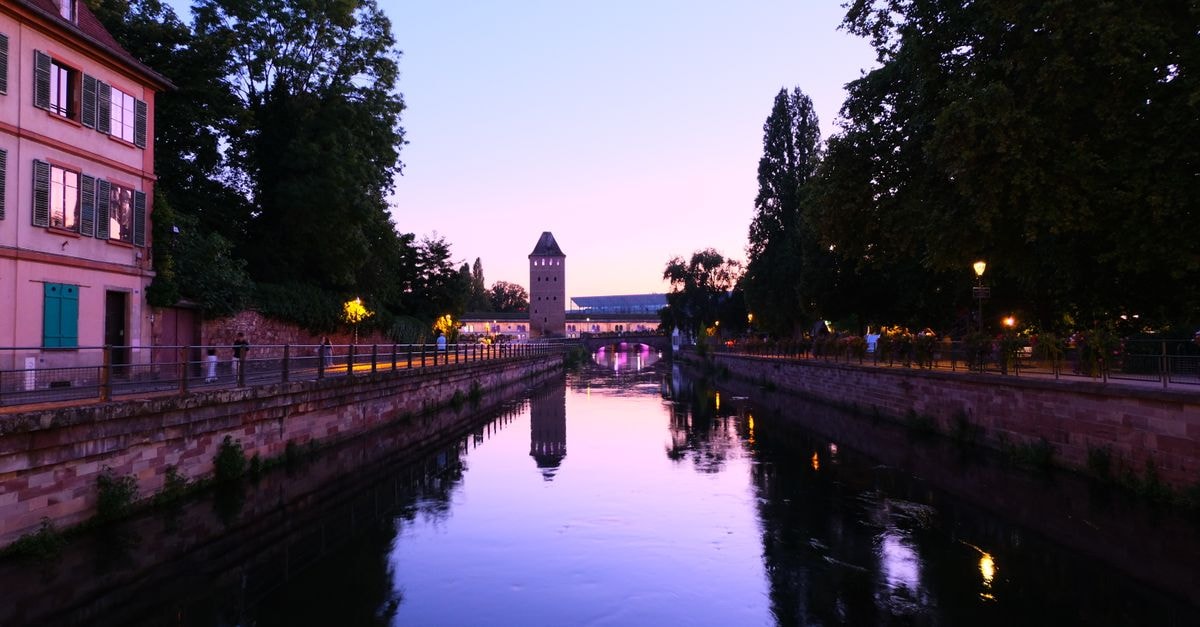
Strasbourg in July is a city that leans outdoors. Half-timbered houses in La Petite France catch the late sun until past nine in the evening, river cruise boats run full daylight schedules, and the scent of linden blossoms drifts along the quays. At the same time, the month carries friction: high humidity, sudden summer storms, and the annual closure of many family-run winstubs for *fermeture annuelle*. This guide gathers what Strasbourg's official tourism office, weather services and budget publishers report for July 2026 so first-time visitors and returning travellers can plan with clear expectations rather than guesswork.
July weather and the season's mood
Three different sources publish Strasbourg's July climate and they do not agree on the headline label. *thingstodoinstrasbourg* treats July as a shoulder-season month with a 79°F (26°C) high, a 58°F (14°C) low and 2.8 inches (71mm) of rain; *whenrome* classes the same month as high season with a 26°C (80°F) average high, a 16°C (61°F) average low and 81mm of rainfall across about 12 wet days. *AccuWeather's* July 2026 outlook projects daily highs between 77°F and 86°F with overnight lows between 54°F and 64°F, averaging around 81°F/59°F. Read the disagreement as a real split in classification rather than a single number to average.
Daylight on the 15th runs roughly 15 hours 45 minutes, with sunrise near 5:42 AM and sunset near 9:27 PM local time. The UV index for the same date is around 11.2, classed as extreme, and mosquito risk is rated high. The PM golden hour sits between 8:47 PM and 9:47 PM, late enough that dinner terraces and the cathedral's illuminated west façade become the evening's main event rather than late-night surprises.
Getting in and moving around
Strasbourg's own airport (SXB) sits at Entzheim, southwest of the centre. A direct train runs into town in about 9 minutes at 15-minute intervals; a combined train and tram ticket costs €4 (90 minutes of validity) when bought from the arrivals hall machines, or €2.30 when bought directly on the platform for the run to the central station. Air France operates most flights to destinations including Casablanca, Istanbul, Madrid, Brussels and Amsterdam Schiphol. For longer-range budget options, Basel-Mulhouse-Freiburg (BSL) is reachable by a short bus to Saint-Louis and then around 1 hour 20 minutes by train; Karlsruhe/Baden-Baden (FKB) is roughly 60 km away with Flibco buses running onward to Strasbourg; Stuttgart (STR) is about 110 km, a roughly two-hour drive.
Inside the city, cycling is the headline mode of transport. Strasbourg offers more than 600 kilometres of cycle paths, and rentals are available by the half-day, full day or for an entire stay. The flat terrain and dedicated lanes make it possible to ride from the old town to Orangerie Park, where storks nest, and onward to Pourtalès Park and Forest without leaving the bike network. For visitors who prefer the water, Batorama runs Ill river cruises; in periods of high heat the operator temporarily adjusts departure times, suspending sailings between 2:00 PM and 6:00 PM, so check the operator's site before walking down to the dock.
July events and outdoor living
The City of Strasbourg's official tourism office runs a programmed summer season from July through August. Each evening, the west façade of the cathedral is illuminated from sunset until midnight in a lighting design by Daniel Knipper that reveals sculptural detail invisible in daylight. On the Presqu'île Malraux, a beach and water-sports centre opens on the riverside for family outings. In July specifically, the Parc de Pourtalès hosts acrobats and electronic music at the Festival des Artefacts, while every Thursday evening the courtyard of the Ancienne Douane fills with gypsy jazz. The Festival of Street Arts is scheduled for 23–25 August, just outside the July window, so plan for it as a follow-up rather than a July event.
Sunday afternoons at 5:00 PM light up the bandstand at Parc des Contades with a live concert; Wednesdays at 3:30 PM and 5:00 PM bring shows for younger audiences. The cathedral itself and the surrounding Grande Île are a UNESCO World Heritage Site and remain walkable throughout the month, though the sandstone interior holds heat — early morning or after-sunset visits are noticeably more comfortable. The Tourist Office on Place de la Cathédrale is open 9:00 AM to 7:00 PM and stocks both free maps and a range of self-guided walking tours on Middle Ages, Renaissance, Modern and Contemporary Strasbourg for €1 each.
Bastille Day on 14 July is a national day across France, with Paris-based parades and fireworks; the impact on Strasbourg is classed as low, though some museums may close for the day, so check specific venues in advance.
Accommodation and booking pressure
July is treated by most Strasbourg accommodation providers as a high-demand month, though one local guide still classes hotel rates as shoulder-season cheap, with rooms in Petite France running 30–40% less than December Christmas-market prices. Booking lead-time guidance from *whenrome* is 2–3 months for both flights and lodging; premium properties in Petite France book first, and last-minute deals sometimes appear at the two-week mark for flexible travellers. For reference, recent Expedia package pricing (flight from New York plus hotel, August dates) shows the Hotel Tandem in the Gare quarter at around $1,425 per person, the Hôtel & Spa RÉGENT PETITE FRANCE at $1,603, the Villa La Florangerie near the Orangerie at $1,541 and the Cour du Corbeau in Krutenau at $1,773; these are example packaged rates and July 2026 prices will differ.
Daily costs and the euro
France-budget data from *itineraryfrance* puts a regional French trip at roughly €85–€100 per day per person for a tight budget (simple B&Bs and gîtes, bakery picnics, regional trains) and €170–€200 per day per person for a comfort level with better-located hotels, regular restaurants and some car use. Over a week, that works out to about €600–€700 per person at the tight end and €1,200–€1,400 per person at the comfort end, mid-season. July and August are flagged as a window that pushes prices up, especially in Paris, Provence, the Riviera, Brittany and the Alps — Alsace is not on that short list but should still be budgeted at the upper edge of the range.
All French prices in this guide are quoted in euros. Exchange rates move daily, so if you are converting from another currency, check the live rate before booking rather than relying on a single conversion.
Eating Alsatian in July
Strasbourg sits at the culinary seam between France and Germany, and the kitchen shows it. The defining room is the *winstub*, a wood-panelled Alsatian wine tavern. Expect choucroute garnie — sauerkraut simmered in Riesling with juniper, piled with smoked pork, knuckle and a spread of local sausages — alongside baeckeoffe, a three-meat (lamb, beef and pork) and potato casserole marinated overnight in Riesling and slow-baked under a sealed lid. Tarte flambée (flammekueche in Alsatian) is the region's answer to pizza: paper-thin unleavened dough spread with fromage blanc, cream and onions, scattered with smoked lardons and blasted in a wood oven until the edges char.
Pastry runs deep too: kouglof, a tall fluted ring of enriched yeast cake studded with rum-soaked raisins and lined with almonds, dusted with icing sugar for breakfast or afternoon coffee; bretzel, the dark glossy Alsatian pretzel scattered with coarse salt; and pain d'épices for the cooler months. Other plates worth knowing include coq au Riesling, a lighter, Riesling-finished take on coq au vin, and tarte à l'oignon, a caramelised-onion tart found in almost every winstub. The Krutenau quarter also hosts a Wednesday growers' market, and the historic core is dense with both neighbourhood winstubs and a small set of gastronomic rooms such as Au Crocodile and 1741.
A practical July caveat: many of the most authentic, family-run winstubs in Krutenau and around the old town close for *fermeture annuelle* (annual summer holiday) during the month, leaving tourist-trap alternatives near the cathedral open. If a winstub meal is essential, call ahead or expect to lean on the larger, named rooms rather than rely on a hand-painted sign.
Heat safety and tickets
The single biggest operational factor in July is heat. The tourism office publishes a heat-aware plan advising visitors to carry water and drink regularly without waiting until thirsty, take cool-down breaks in shaded lanes or air-conditioned venues, eat normally and choose water over alcohol, and use the city's accessible shaded parks — Parc de la Citadelle, Parc de l'Orangerie and Parc du Contades — as resting points. Before heading out, check directly with specific venues: Batorama has already adjusted its cruise timetable for high temperatures, and other operators may shift hours or cancel services without notice.
On tickets, the cathedral's evening illumination is visible from outside the building without a ticket; the astronomical clock tour runs inside and gets hot by mid-afternoon. River cruises, food tours and guided walks generally benefit from advance booking in July, when tourist numbers are clearly elevated in the historic centre and at headline sights. Specific 2026 schedules may shift, so verify dates with the operator before you commit to a tour slot.
Factual travel conditions change. Confirm opening times, festival dates, accommodation prices, Batorama's heat-adjusted timetable and any museum closures (including possible Bastille Day effects) on the official Visit Strasbourg site and with individual operators before departure.
Prices, opening hours, schedules, reservation rules, and local conditions can change; verify them through official channels before departure.
Share this article
TOOLS FOR THIS PLAN
Make the Strasbourg plan measurable
Choose a tool only when it answers the next question in your trip. Your values stay in the browser, and each tool offers a route back to this planning context.