There's a particular kind of pleasure in arriving at a city that doesn't shout for attention. Suceava, tucked into the rolling landscape of northeastern Romania, is exactly that kind of place. Once the capital of the Principality of Moldavia, it carries the weight of history in a relaxed, walkable setting, and it works beautifully as both a destination in itself and a launching point for the wider region.

A First Look at Suceava
The city sits in the historical heart of Moldavia, and that legacy gives Suceava a quietly distinctive atmosphere. Formerly the seat of Moldavian princes, it still feels shaped by centuries of trade routes, fortifications, and the steady rhythm of life in this corner of Romania. Today, Suceava is a historic city in northeastern Romania and a gateway to the Bucovina painted monasteries, which gives it a dual identity: a place with its own story to tell, and a practical base for travelers heading further into the region.
What makes Suceava especially appealing is its scale. It's compact enough to explore on foot over a couple of days, yet layered with enough medieval and early-modern history to reward anyone curious about Romania before the modern era. For history lovers and families who want compact walking routes, the city delivers on exactly that promise: short distances, a clear historical spine, and a pace that invites lingering rather than rushing.
Weather and Seasonal Context
Suceava has a continental feel that rewards a bit of preparation. Summers can lean warm, winters tend to be cold and snowy, and shoulder seasons often bring the kind of crisp, golden days that make exploring on foot a genuine pleasure. Because the climate shifts noticeably across the year, choosing your wardrobe thoughtfully is more useful than any single piece of advice.
Layering is the practical answer to most weather surprises here. A light jacket or cardigan earns its place even on warmer days, especially once the sun begins to set and the historic stone of the city holds onto the cooling air. Travelers planning around a specific season will want to think about what kind of pace suits the conditions: warmer days invite slower café mornings and long afternoon walks, while cooler weather encourages a brisk morning start and an early evening retreat.
The city's appeal as a year-round destination means there's no bad time to visit, only different versions of the experience. Booking platforms highlight seasonal travel and booking tips for the area, which is a useful reminder that accommodation availability and pricing can shift with the calendar. Booking a little ahead during popular travel windows tends to make the difference between a relaxed arrival and a scramble.
Getting Around
Suceava rewards travelers who treat the journey between places as part of the experience rather than something to be rushed past. The city is compact, and many of its key sights sit within easy walking distance of one another. A reliable backpack is your best travel tool, leaving your hands free for cameras, guidebooks, and the small spontaneous moments that make a city feel memorable.
Accommodation choices tend to cluster in walkable areas, and several well-rated options include Curtea Bizantina, Conacul Domnesc, and Casa Hora, all of which are recognized for strong locations. Staying in or near the historic center simplifies everything: morning walks to the main sites, easy returns for a midday rest, and the freedom to step out again in the evening without relying on transport. For travelers who prefer the convenience of an airport pickup, some resorts in the Suceava area offer airport transfer services, which can take the friction out of arrival and departure days.
Public transport and taxis fill the gaps for anything outside the central walking radius, but for most visitors the rhythm is simple: walk in the morning, pause for lunch, walk again in the afternoon, and let the evenings unfold at whatever pace feels right. Understanding this flow means you don't just get from point A to B; you get to savor the transition, the small moments that make Suceava more than a stop on the map.
Attractions and Planning
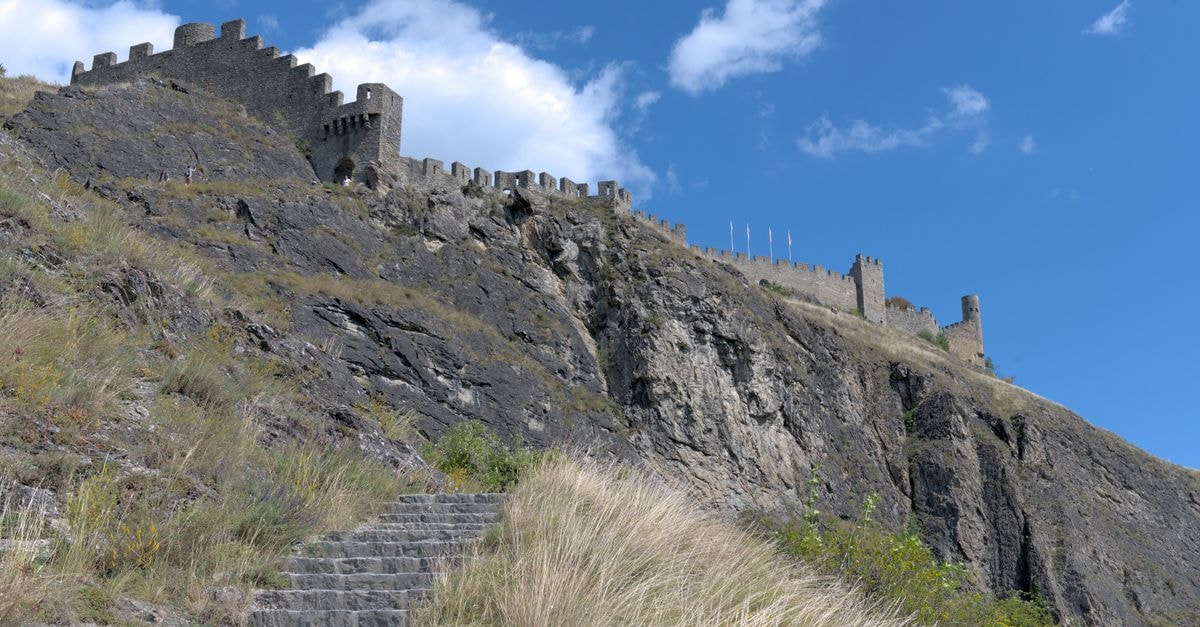
The city's most iconic sight is the 14th-century Seat Fortress, a defensive stronghold that survived Ottoman sieges. This is the anchor of any Suceava itinerary, both literally and figuratively. The fortress is the place where the city's Moldavian past becomes tangible: thick stone walls, a commanding position over the surrounding landscape, and the kind of layered history that rewards a slow visit rather than a quick photograph.
Planning a Suceava trip benefits from thinking in themes rather than checklists. A morning at the Seat Fortress pairs naturally with time spent in the old town, where the legacy of the former Moldavian capital is still visible in the streetscape. A second day can be spent more loosely, following curiosity through local museums, quiet parks, and the everyday neighborhoods that give the city its lived-in character.
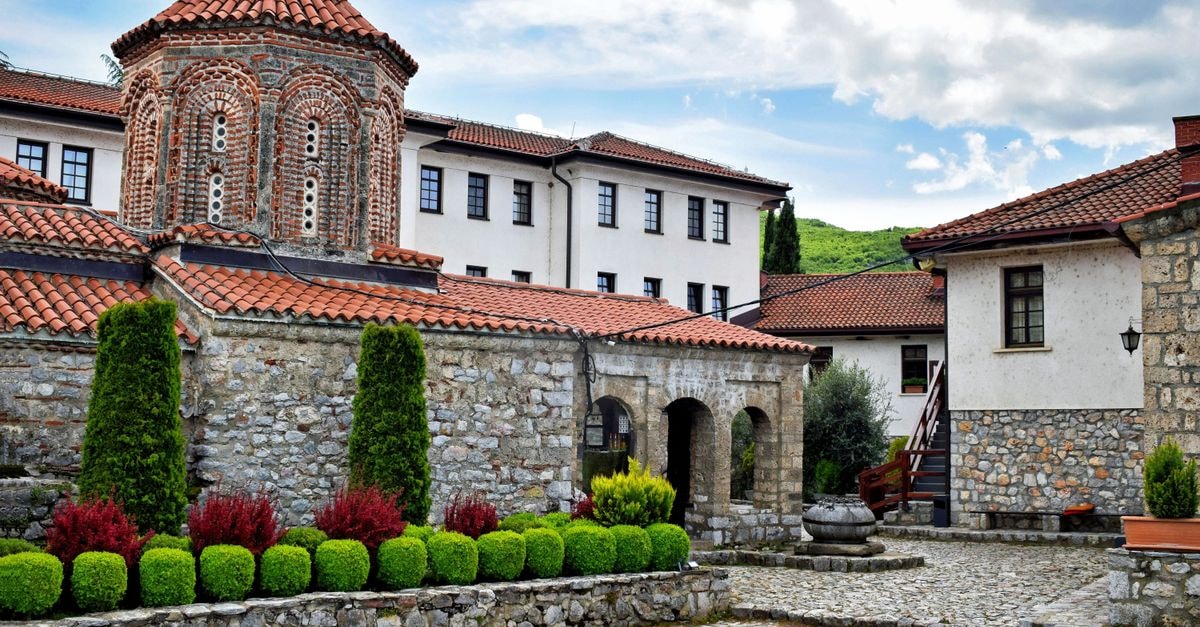
For travelers who want to use Suceava as a springboard, the city also functions as the day-trip core for anyone heading on to the painted monasteries of Bucovina, the famous UNESCO-listed sites that draw visitors from across the world. This makes the city especially appealing for travelers who want to combine a cultural city stay with a deeper exploration of Romania's religious and artistic heritage. Many travelers find that spending a couple of nights in Suceava, then continuing onward, is a more rewarding rhythm than treating the city as a quick pass-through.
A Final Note for Travelers
Suceava is at its best when you arrive with a sense of curiosity and a willingness to slow down. The city doesn't overwhelm with sights; it rewards attention. Pack comfortable shoes, dress in layers, choose accommodation near the center, and give yourself at least a full day to absorb the historical atmosphere before moving on.
Factual travel conditions can change, so it's always wise to verify details through official channels and current booking platforms before departure. Rates, schedules, and availability shift, and a quick check before you travel can save small frustrations later.
The verification above reflects the approved evidence available for this guide.
Share this article
TOOLS FOR THIS PLAN
Make the Suceava plan measurable
Choose a tool only when it answers the next question in your trip. Your values stay in the browser, and each tool offers a route back to this planning context.