A first look at the city

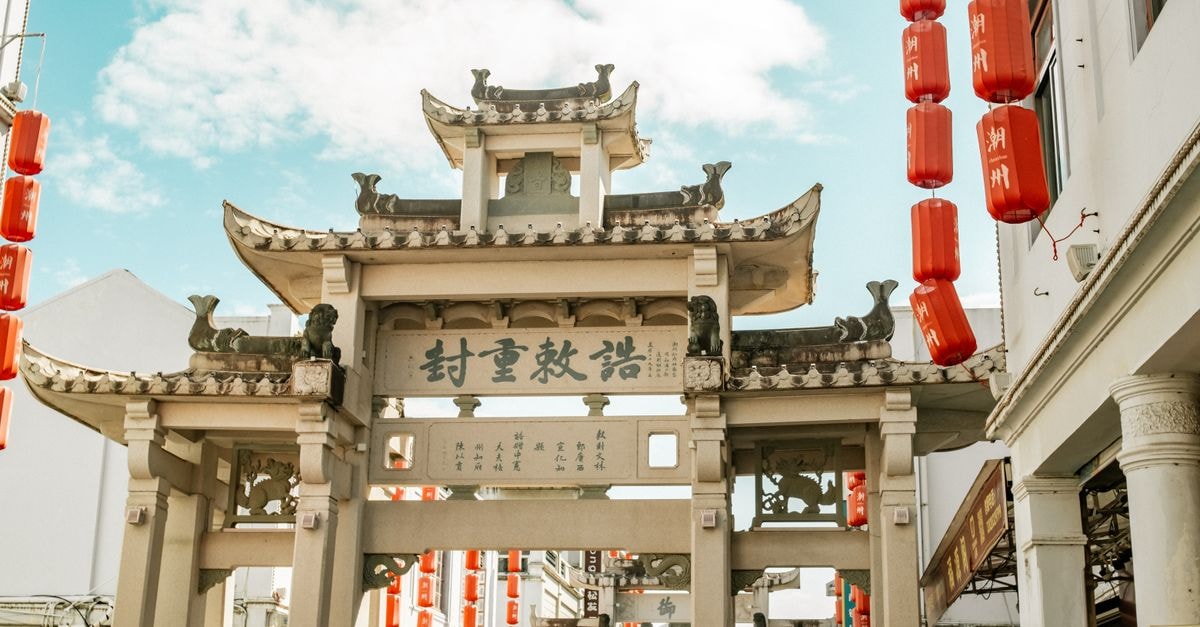
Sulaymaniyah sits in the Kurdistan Region of northern Iraq and reads, at first impression, like a softer, slower counterpoint to its bigger siblings further down the road. The city has a gentle creative reputation, a working bazaar heart, and a food scene rooted in the wider Iraqi kitchen, all of which make it the kind of place a curious traveler can settle into for a few days rather than simply pass through. This guide stays focused on the practical things that actually shape a visit: how to arrive smoothly, how to move around once you have arrived, what to see, and what to eat.
Getting around and arriving
The easiest way to start a trip well is to arrange an airport transfer before you fly, so the moment you walk out of the arrivals hall in the Kurdistan Region a car is waiting rather than a negotiation on the curb. Pre-booked transfers slide you effortlessly from the airport into a comfortable car and on to your hotel, ready to enjoy the Kurdistan Region of Iraq, which removes most of the stress that a first arrival in an unfamiliar city can bring.
Once you are actually in Sulaymaniyah, it helps to know what is and is not available under your feet. The city does not have any metro or tram systems, so you will be relying on surface transport, walking, or taxis for the duration of your stay. That is fine for most travelers because the distances feel manageable and the rhythm of the streets is easy to read.
The Sulaymaniyah Bazaar area often serves as a hub for local transport, which means it is a useful landmark to memorize on day one. If you find yourself disoriented or unsure where to head next, making your way back to the bazaar is usually the simplest way to reorient yourself, grab something to eat, and pick up onward transport in the same move. Taxis and car rental are the practical options to complement walking, and they fill the gap that the absence of a metro leaves behind.
A short, practical checklist for arrivals looks like this:
- Pre-book an airport transfer so your first hour in the city is calm rather than chaotic. - Accept that there is no metro or tram, and plan to walk, taxi, or hire a car. - Use the bazaar as your anchor point until you have a feel for the street layout.
Attractions and planning your days
Sulaymaniyah has a softer cultural rhythm than some of the more frequently written-about Iraqi cities, and it leans into visual art as one of its signature pleasures. The Sulaymaniyah Museum of Fine Arts is a must-visit for art enthusiasts, housing an impressive collection of contemporary and traditional artworks, which gives the city a reason to linger rather than rush.
The single best piece of planning advice is to give the museum a generous window of time. A collection that spans contemporary and traditional work rewards unhurried looking, and pairing the visit with a slow coffee afterward turns it into a satisfying half-day rather than a checkbox stop. If you are the kind of traveler who likes to start a city in a museum and then watch how the visual language of the place keeps surfacing out on the streets, Sulaymaniyah rewards that approach.
Because the city does not have a metro or tram, attractions tend to cluster around walkable streets and the bazaar core, so most cultural visits can be combined on foot. That said, this is a deliberate evergreen guide, so any nearby-destination or day-trip ideas that might appear in broader overview articles have been kept out of the recommendations. The focus stays on what you can comfortably enjoy inside the city itself, without presumed excursions that the approved evidence does not directly support.
Light planning rhythm that tends to work well in Sulaymaniyah:
- Anchor each day around the bazaar so you always know where you are. - Build one slow cultural visit, like the Museum of Fine Arts, into your time. - Leave room for the unplanned: browsing, long coffees, and street-level looking.
Food and local context
Sulaymaniyah's food culture sits comfortably inside the wider Iraqi kitchen, with one dish in particular acting as a regional calling card. One of the most popular dishes in As-Sulaymaniyah is Dolma, which is a stuffed vegetable dish, and it is the kind of plate that explains a lot about the local table in a single bite.
Dolma in this part of Iraq tends to arrive as vegetables, often peppers, tomatoes, zucchini, or vine leaves, stuffed with rice, herbs, and sometimes minced meat, then simmered slowly until the flavors settle into each other. It is comfort food in the most generous sense: filling, fragrant, and built for sharing. If you are new to the cuisine, Dolma is a forgiving place to start because it is widely loved and almost always available.
Beyond the sit-down kitchens, As-Sulaymaniyah also has a thriving street food scene, which means the easiest way to eat well is often to follow your nose rather than plan a formal restaurant list. The bazaar area, given its role as a transport hub, is also a natural place for casual eating, with vendors clustered close to where people are already moving and resting.
A few light, evidence-based pointers for the food side of the trip:
- Try Dolma early in your stay so you have a reference point for everything else you taste. - Treat the street food scene as part of the visit, not a fallback when sit-down places are full. - Eat where you see locals choosing to queue, since the busiest stalls are usually popular for a reason.
Notes before you go
Travel conditions, transport availability, and the operational details of any attraction can change, so it is always worth checking official and up-to-date channels before you depart and again shortly before each outing. Nothing in this guide is a guarantee of opening hours, prices, or current status; think of it as a friendly map of what the city is known for, with the practical edges left to be confirmed closer to your travel date. Keep small amounts of local cash on hand for taxis and small vendors, and confirm the live exchange rate before converting larger sums, since rates move and posted rates at exchange counters are only a reference point.
Prices, opening hours, schedules, reservation rules, and local conditions can change; verify them through official channels before departure.
Share this article
TOOLS FOR THIS PLAN
Make the Sulaymaniyah plan measurable
Choose a tool only when it answers the next question in your trip. Your values stay in the browser, and each tool offers a route back to this planning context.