Destination Overview

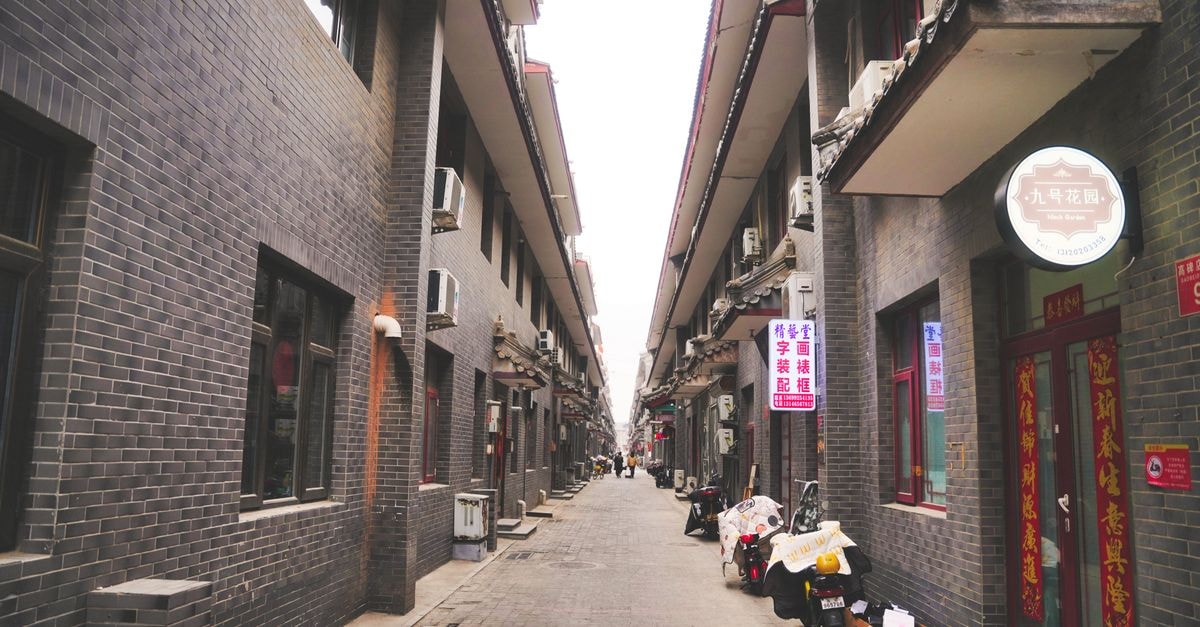
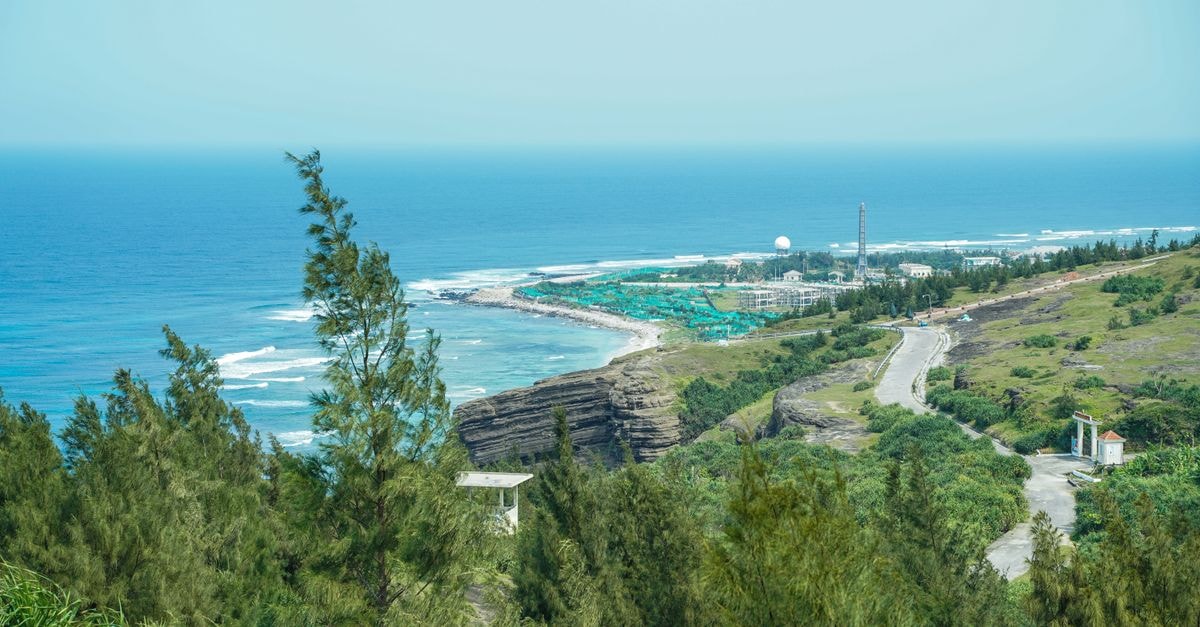
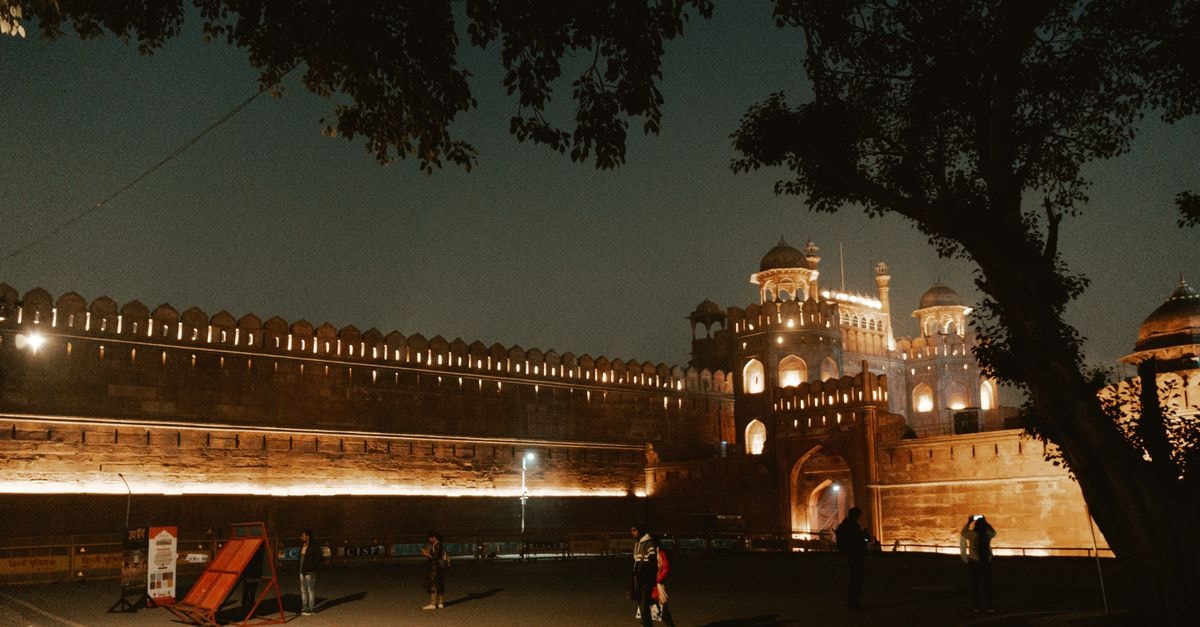
Puning sits in eastern Guangdong Province, within the broader Chaoshan cultural sphere that travelers often associate with the wider Teochew region. It is the kind of city that rewards unhurried exploration rather than a checklist approach — a place where visitors tend to settle into a slower rhythm, sip tea, and let the day unfold through small, local encounters rather than headline attractions. The city carries the texture of everyday Chinese urban life: working neighborhoods, modest historic pockets, and a calm that can feel refreshing for travelers arriving from busier Guangdong hubs like Guangzhou or Shenzhen.
Because Puning sits inside a humid subtropical climate zone, it generally reads as warm and damp across much of the year, with conditions that can feel heavy during the wetter stretch of the calendar. Travelers who appreciate moderate temperatures and dry skies may find that planning for gentler weather windows shapes a more comfortable visit. The city itself is approachable in scale — large enough to feel like a real destination, small enough to navigate without the logistical weight of a major metropolis.
This guide focuses on what the approved sources actually support: the climate context, the main transport hubs you will likely pass through, and the cultural institutions that frame Puning's identity.
Weather and Seasonal Context
Puning's climate falls within the humid subtropical classification, a designation that captures the city's general feel: warm, moist, and shaped by a clear seasonal rhythm between a hotter, wetter stretch and a milder, drier period. Long-term climate references describe average temperatures with daily means, minimums, and maximums, which gives a useful sense of the year-round range rather than a single reading.
For travelers who prefer dry days with pleasant temperatures, the climate pages note that not every month is equally inviting — some periods bring noticeably more humidity and rainfall. That said, the available weather evidence is general in nature; it does not include specific daily figures, hourly breakdowns, or a precise forecast window. Visitors planning a trip are best served by treating the climate context as a starting point for what to expect in dress, pace, and daily energy rather than as a fixed schedule.
A practical way to use this context is to think about how the climate might shape your day. Warm and humid conditions can encourage visitors to schedule outdoor time for the cooler parts of the day, take breaks in air-conditioned cafés or cultural spaces, and slow down rather than rush between stops. The climate overview on the city's reference page also links to a fuller annual summary for those who want to compare months before committing to travel dates.
Getting Around
Puning's transport network is built around two clear anchor points that most visitors will encounter. The main inter-city hub is Puning Bus Station, which handles long-distance road connections across the region. For rail travelers, Puning High-Speed Rail Station and the surrounding area serve as the primary point of arrival and departure, linking the city into the broader high-speed network that connects eastern Guangdong to other major destinations.
Within the city itself, public buses form the everyday transit backbone. The available sources flag an accessibility consideration worth keeping in mind: public buses in Puning could have limited accessibility for travelers with mobility challenges. For visitors who need step-free access, shorter distances, or more flexible routing, taxis and ride-hailing services are typically the easier choice, as they allow a more direct, door-to-door style of movement around the city.
Because the city is built around these two main hubs and a relatively compact urban footprint, getting between a central hotel, the bus station, and the high-speed rail station rarely feels like a logistical puzzle. The key is simply deciding whether your day calls for the lower cost and slower pace of a local bus, or the convenience of a hired car for a tighter schedule.
Attractions and Planning
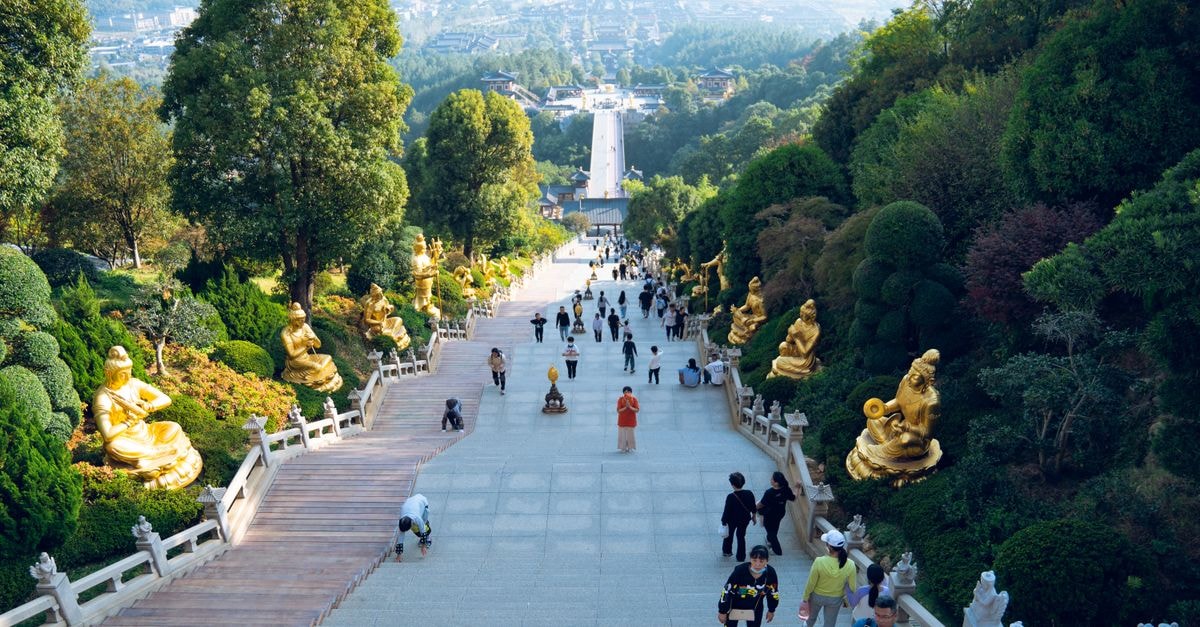
Puning's attractions tend to sit on the quieter end of the spectrum compared with Guangdong's headline destinations, which is part of the city's charm. According to the city's reference overview, cultural institutions preserve the area's unique heritage, though some specialized experiences may necessitate regional travel outside the city itself. Visitors with deep interest in any one niche — calligraphy collections, regional history, folk craft — should be prepared for the possibility that the most focused institutions may not all sit within Puning's boundaries.
The clearest cultural anchor inside the city is Puning Museum, described as a repository of the area's history, culture, and folk customs. For travelers who want to ground their visit in local context — to understand the people, the crafts, and the everyday heritage that shaped the region — the museum is a natural first stop. It tends to suit travelers who enjoy a slower, more reflective morning: walking through galleries, reading bilingual panels, and getting a sense of place before heading out into the surrounding streets.
Because the evidence available for attractions is intentionally limited, a thoughtful Puning visit often looks less like a packed itinerary and more like a layered one. A typical day might begin at the museum, drift into a nearby neighborhood for a long lunch, and then unfold through unplanned discoveries rather than a fixed list of must-sees. The city's appeal sits in that kind of space — the room to wander, to slow down, and to let the rhythm of an eastern Guangdong city set the pace.
A Note on Practicalities and Verification
This guide is intentionally evergreen and grounded only in approved sources, so a few details that many travel readers expect — exact ticket prices, museum opening hours, hotel ranges, and live exchange rates — are not included here. Currency, when relevant, should always be checked against the current rate before any purchase or exchange, as reference figures quickly go out of date.
Travel conditions can change between writing and arrival. Schedules, accessibility of public spaces, weather patterns, and local services all shift over time, so the most reliable approach is to confirm details through official channels — the high-speed rail operator, the bus station, the museum itself, and up-to-date weather services — closer to your travel date. Treat this guide as a starting framework for understanding Puning rather than a fixed checklist, and let verified, current information shape the final details of your trip.
Share this article
TOOLS FOR THIS PLAN
Make the Puning plan measurable
Choose a tool only when it answers the next question in your trip. Your values stay in the browser, and each tool offers a route back to this planning context.