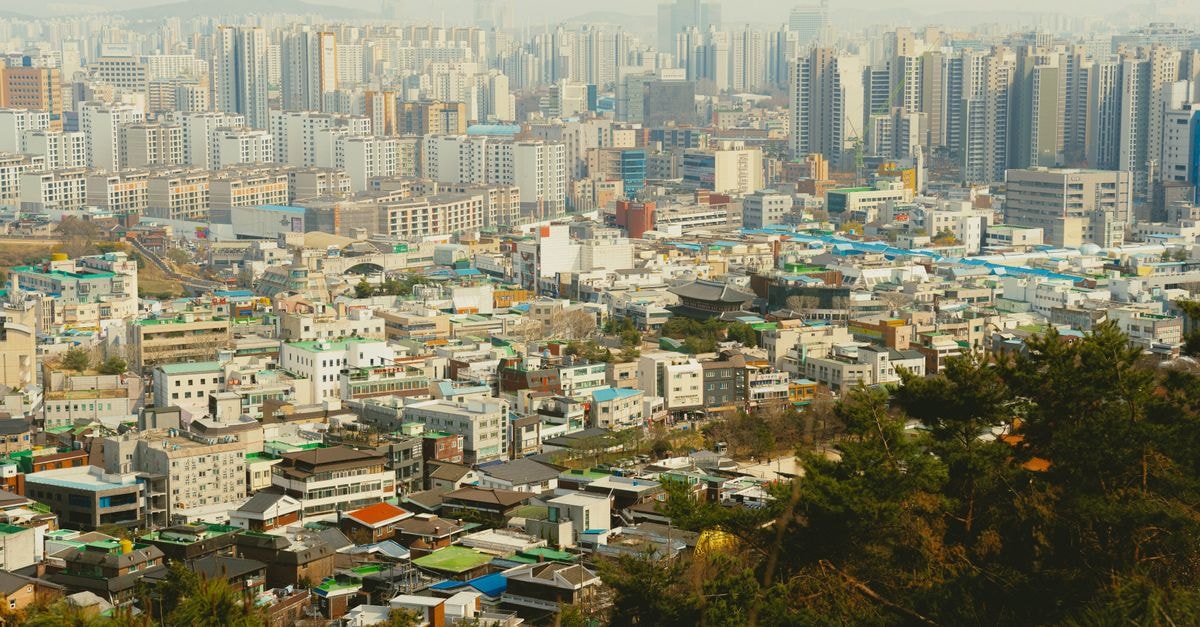
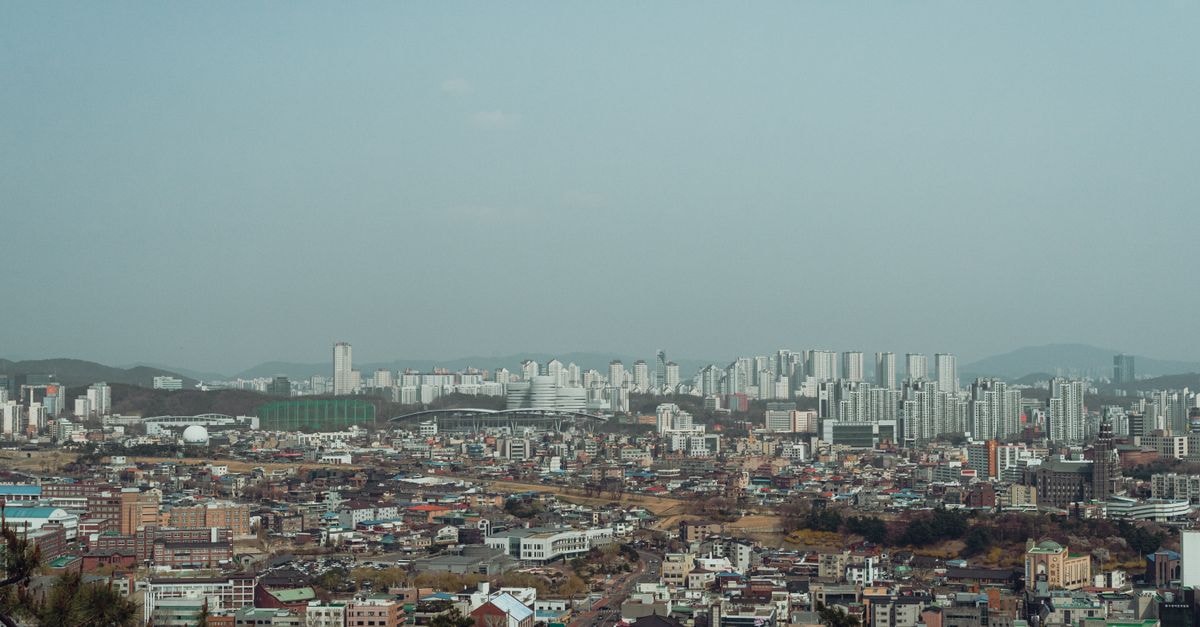
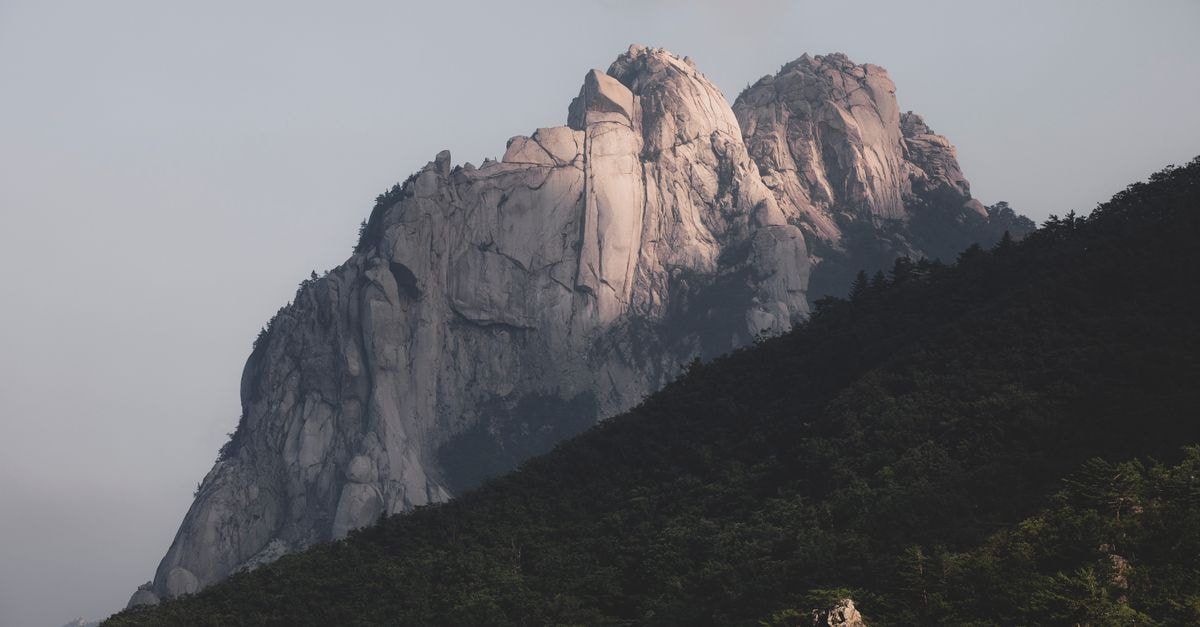
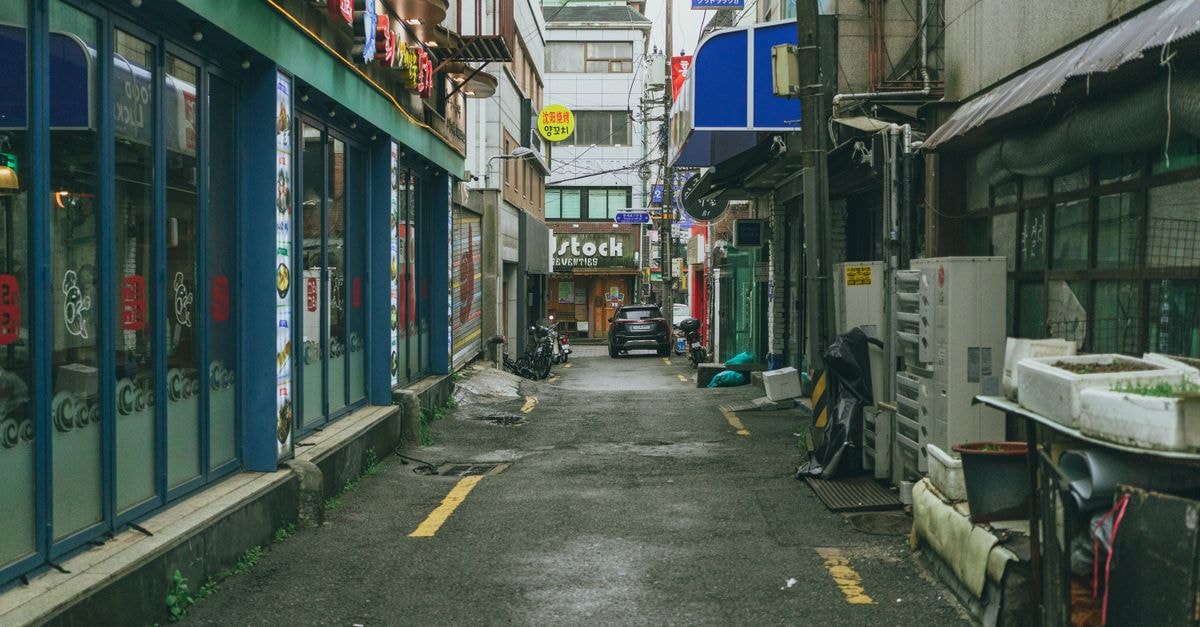
Suncheon sits in the heart of South Jeolla Province and has built a quiet reputation as Korea's eco-city, a place where the headline draw is nature rather than high-rise skyline. Travelers come for a particular kind of calm: reed-edged tidal flats, a nationally celebrated garden, and an old walled village that still feels rooted in the surrounding farmland. The city is small enough to navigate on foot between key sights, and food is woven into the experience in a way that feels natural rather than staged.

Weather and seasonal context
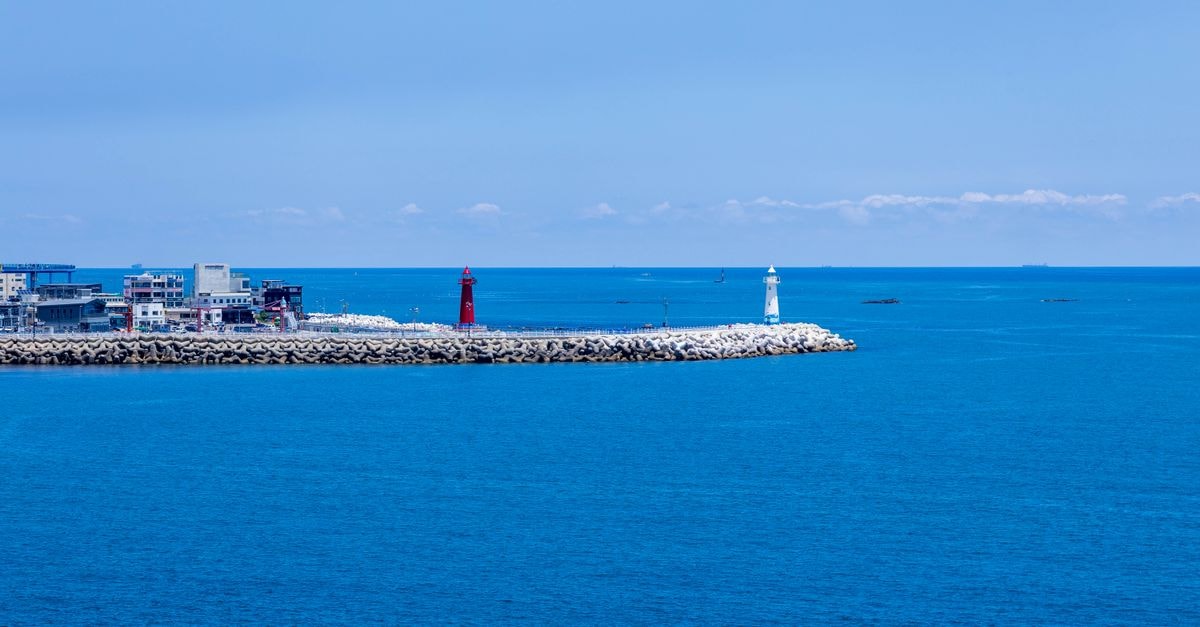
The coastal stretch around Suncheon can shift quickly between clear skies and overcast skies. Travelers have arrived at Suncheon Bay to find it raining on the approach, only to see the light break across the reeds a short while later. Because the bay area sits low and open, the weather over the reed fields can feel different from what is happening a few kilometers inland. A light layer that handles a mild breeze off the water is worth packing, and a compact umbrella earns its place in a day bag more often than a heavy raincoat.
Getting around
Suncheon sits in the southeast of the province and functions as a scenic agricultural and industrial hub, with the bay and its connected attractions anchoring the visitor map. Within the city, the transport picture is shaped by short hops between the main sights rather than long urban commutes. Local buses and taxis link the key visitor areas, and the city has been actively programming cultural events, including food-focused festivals and performance series that draw foot traffic into central gathering spaces. For visitors who prefer not to rent a car, basing yourself near the central area and using short local rides tends to be the simplest way to reach the bay, the garden complex, and the upper market without backtracking.
Attractions and planning
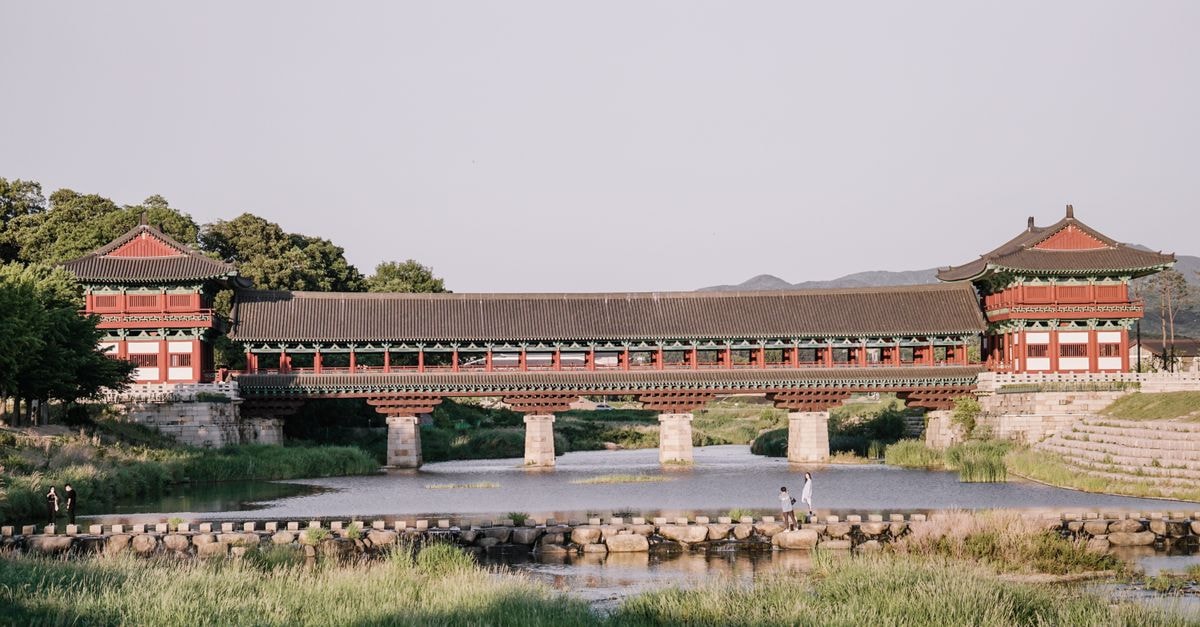
Suncheon is widely celebrated for its gardens and ecological beauty, and the Suncheon Bay National Garden is the headline attraction most visitors plan around. The garden has evolved over time, including a renewal of the participation-garden area into the Stream and the Stream Plaza, which reorganized how visitors move through the site and reshaped the walking flow. Beyond the garden, the broader Suncheon experience includes Suncheon Bay itself, the tidal wetland that draws birders and photographers, and Naganeupseong, a walled village that preserves a slower, older Jeolla rhythm. Travelers who like to mix a structured garden visit with a more open natural landscape tend to get the most out of a Suncheon day, pairing the curated plantings of the national garden with the wilder reed fields of the bay.
Food and local context
Eating in Suncheon tends to center on the city's market streets and neighborhood kitchens. The Suncheon Upper Market is the most obvious place to feel the everyday food culture of the city, with stalls and small eateries drawing a steady stream of locals who browse, chat, and stop to eat as they move through the lanes. Market visits like this can suit visitors who would rather follow their appetite than sit down to a formal meal, and the upper market in particular rewards a slow walk, a few small purchases, and a willingness to point at what looks good.
South Korea in general has a strong street-food and market-food culture that visitors are likely to encounter in cities like Suncheon, where shared snacks, fresh produce, and small-batch prepared foods are part of how the market operates rather than a separate tourist experience.
Choosing what fits your trip
A few practical tradeoffs tend to shape how satisfying a Suncheon visit feels. Visitors who build the day around the National Garden and the bay reed fields get the clearest picture of what makes the eco-city identity work, and they can add the upper market as a natural late-afternoon stop. Travelers drawn more to historic architecture and slower village pacing may prefer weighting time toward Naganeupseong and a shorter garden visit, then circling back to the market for the evening meal. Anyone with limited time may want to keep the day to two anchors rather than racing through three, since the garden, the bay, and the village each benefit from unhurried attention.
Before you go
Factual travel conditions can change over time, and event programming, opening hours, and local transport details may shift between planning and arrival. Checking official Suncheon city channels and the National Garden's own notices before departure is the most reliable way to confirm what is currently open and what is scheduled during your visit.
Verification question: Do you want to confirm whether a particular Suncheon Bay walking path is currently accessible on the day you plan to visit?
Prices, opening hours, schedules, reservation rules, and local conditions can change; verify them through official channels before departure.
Share this article
TOOLS FOR THIS PLAN
Make the Suncheon plan measurable
Choose a tool only when it answers the next question in your trip. Your values stay in the browser, and each tool offers a route back to this planning context.